
Last updated November 25, 2026
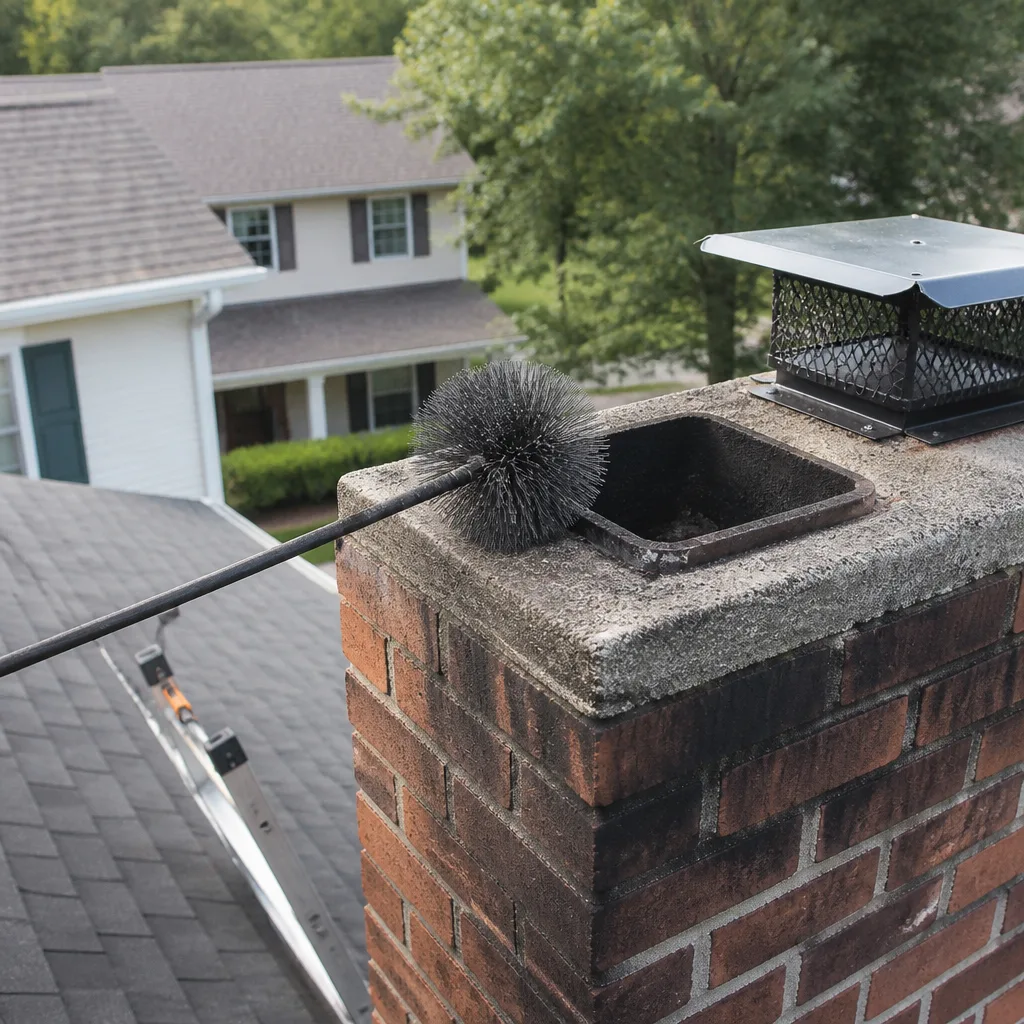 Sweep & inspection
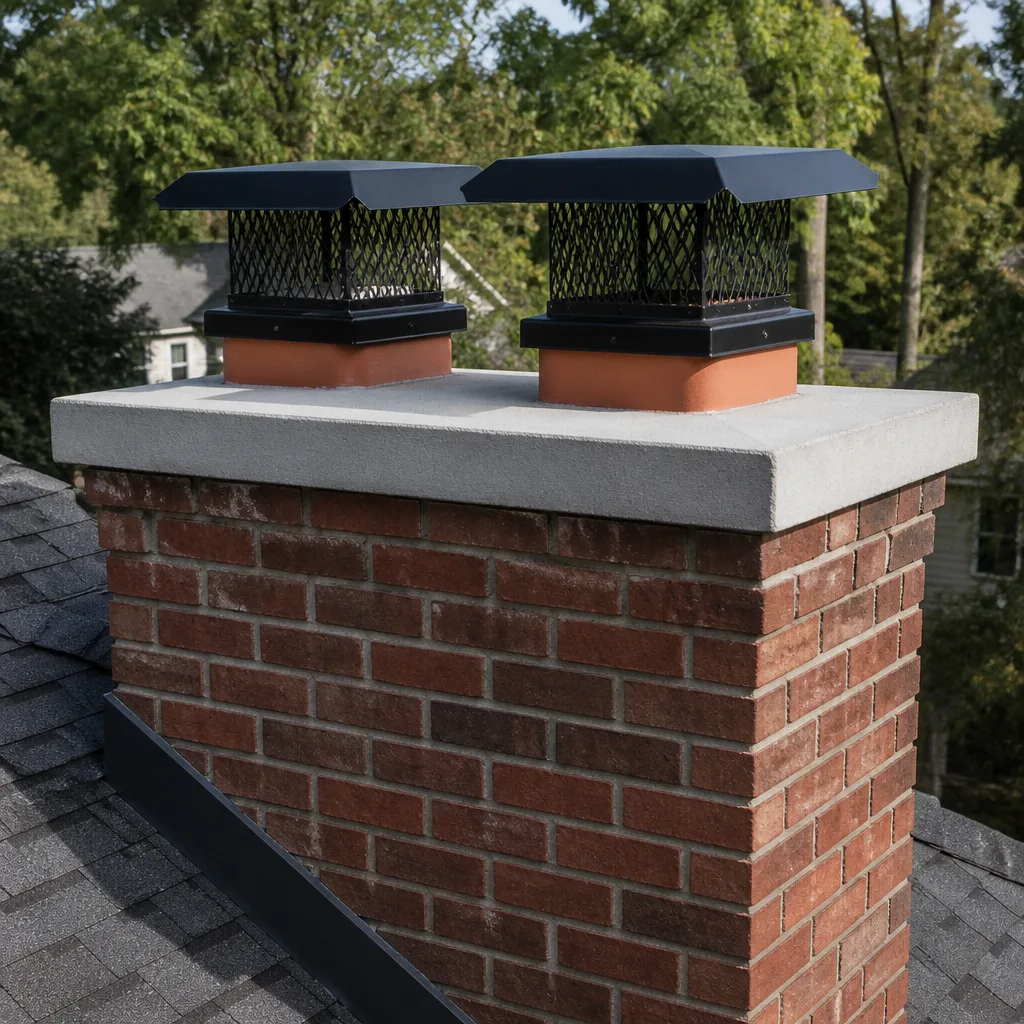 Caps & crowns
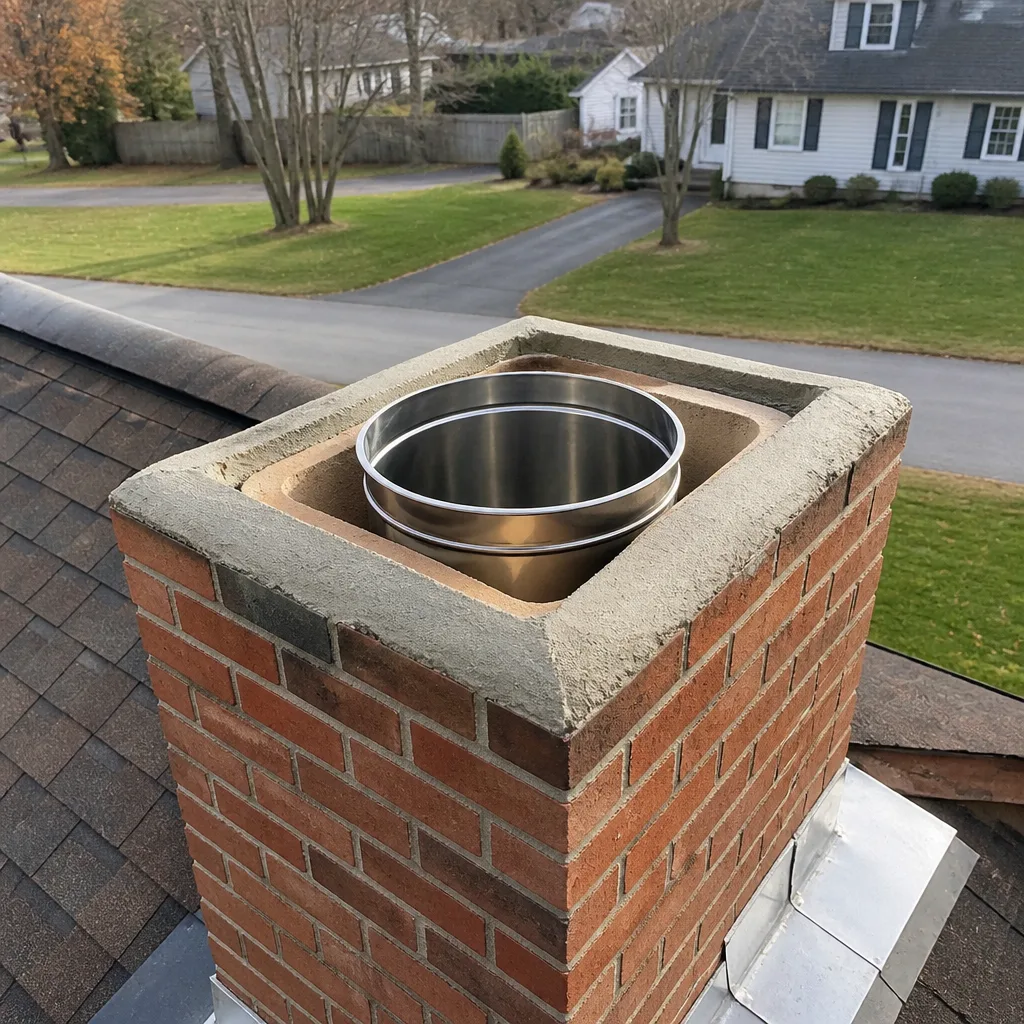 Flue relining
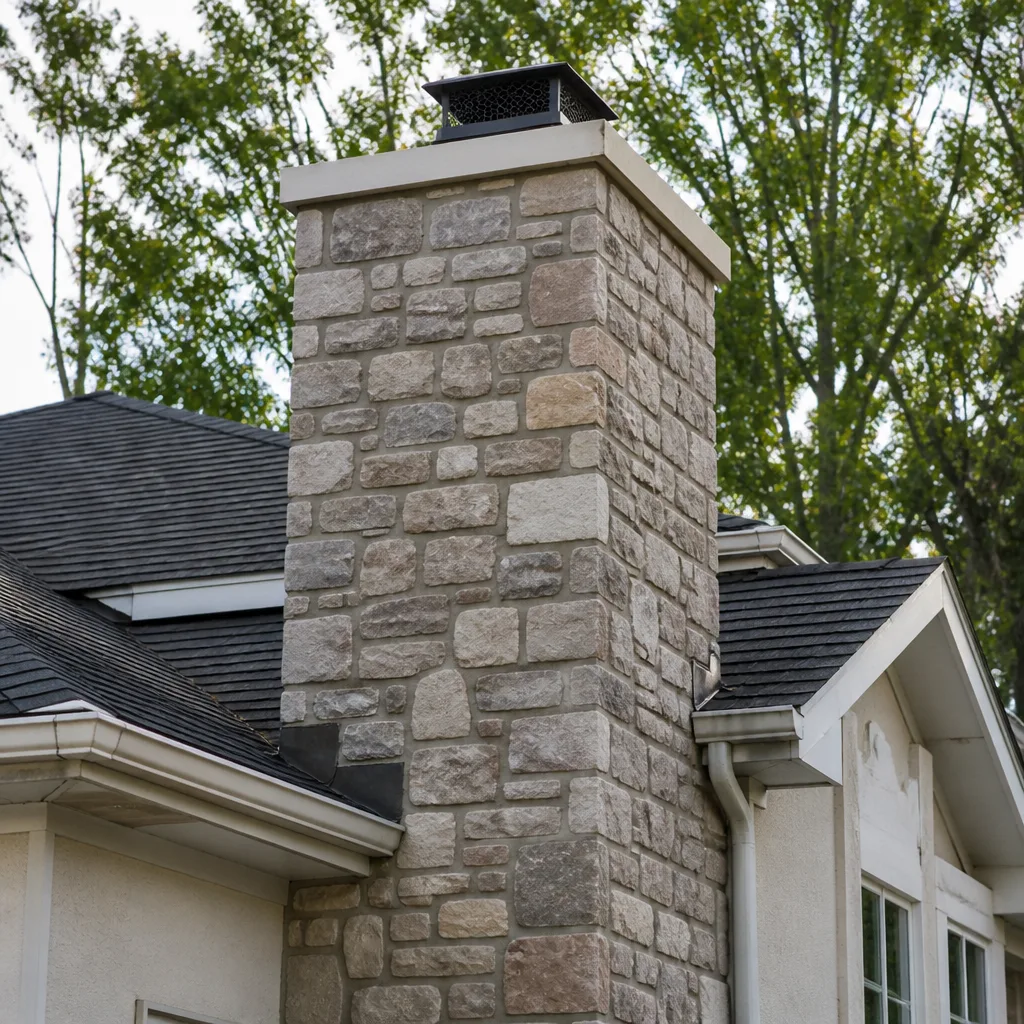 Masonry repair
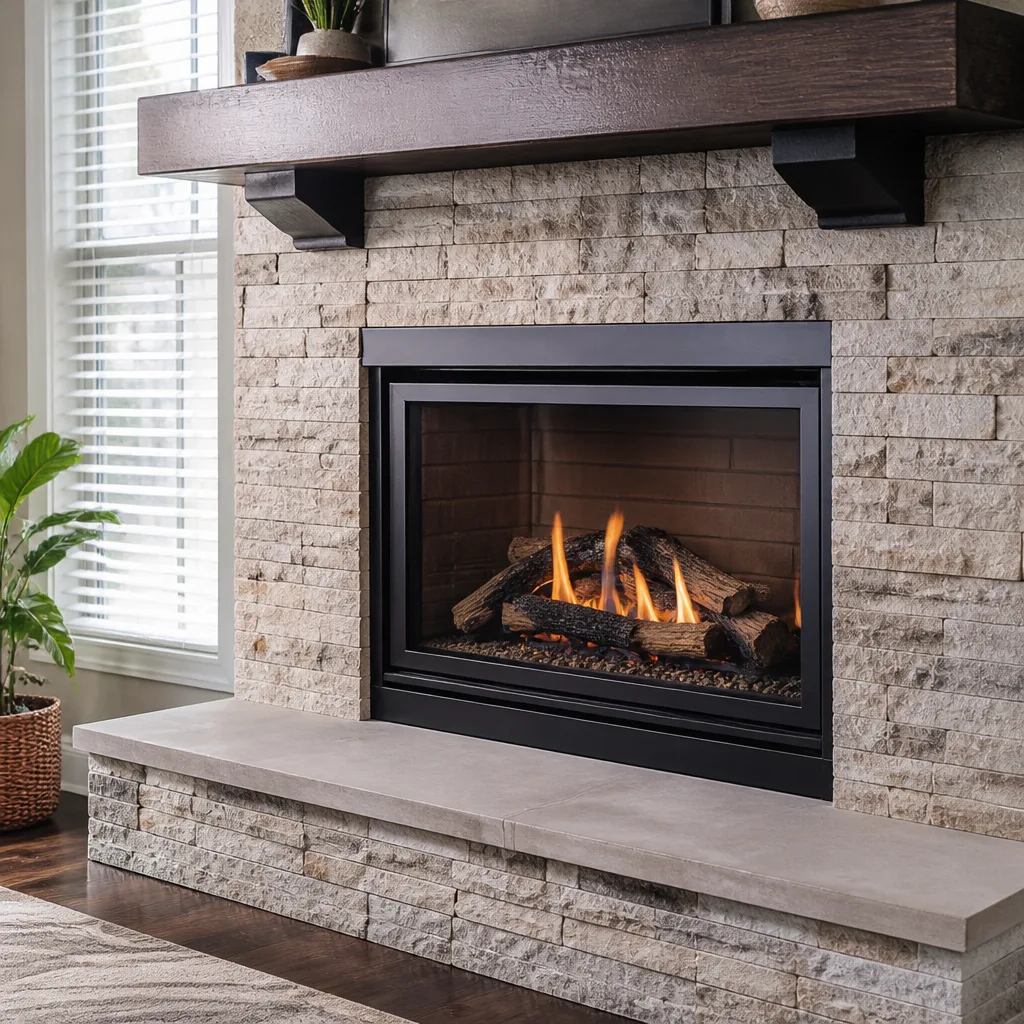 Gas fireplace service
Level 1 sweep and inspection to the NFPA 211 annual standard - flue, crown, cap, and flashing checked and photographed
Chimney sweep logs do not sweep chimneys. They loosen some creosote - which then falls where a brush and vacuum still have to collect it.
Chimney Cleaning Permits, Codes & Inspections in West Jordan, UT: What You Need to Know
Here’s the part most homeowners learn too late: the cleaning itself almost never needs a permit, but the repair hiding inside that cleaning often does. A flue that looks fine from the firebox can have a cracked liner, a failing crown, or a rusted smoke chamber that turns a routine sweep into permitted structural work. When a buyer’s inspector flags an unpermitted liner replacement years later, the correction costs far more than the permit ever would have. This guide draws the exact line between maintenance and permitted work under Utah and West Jordan code, explains what a code-compliant install looks like, and shows you what to keep in writing.
Quick Answer
Routine chimney cleaning and the inspection that comes with it do not require a permit in West Jordan. Structural repairs, liner replacement, firebox rebuilds, and crown reconstruction generally do require a building permit, and the finished work must meet UL 1777 for liners and IRC Section R1003 for masonry chimneys. If your sweep recommends anything beyond cleaning, ask two questions before work starts: does this need a permit, and will you pull it?
Styles & brands we work with
- Sweep & inspection
- Caps & crowns
- Flue relining
- Masonry repair
- Gas fireplace service
Table of Contents
- Which Chimney Services Need a Permit in West Jordan?
- Cleaning Inspection vs. Repair Inspection: What’s the Difference?
- What Does a Code-Compliant Liner Actually Look Like?
- Utah Code, Local Amendments, and What They Cover
- How Permitted vs. Unpermitted Repairs Affect Insurance and Home Sales
- What Documentation to Request and Keep
- Why West Jordan’s Climate Makes Documentation Matter
- How a Permitted Chimney Repair Usually Runs
Which Chimney Services Need a Permit in West Jordan?
Cleaning and inspection are maintenance. Repair and replacement are construction. That’s the simplest way to hold the line, and it matches how West Jordan’s building department reads the work. A sweep cleans the flue and inspects the system; no permit is issued for that. The moment the scope shifts to altering the structure of the chimney, the permit question opens up.
Work that typically triggers a permit in West Jordan:
- Liner replacement or relining – installing a new flue liner, whether stainless flexible or cast-in-place, alters the chimney’s venting system. Nearly every jurisdiction treats this as permitted work.
- Firebox rebuilds – masonry repair to the firebox changes a structural component of the fireplace assembly.
- Crown reconstruction – a new crown is poured concrete or masonry work on the chimney top, and it’s structural.
- Chase or chimney demolition and rebuild – anything that removes and reconstructs the chimney body.
- Converting a wood-burning fireplace to gas or adding an insert – this changes the appliance and often the venting, so it’s reviewed.
- Adding a new chimney or extending an existing one – new construction, straightforwardly permitted.
Work that usually doesn’t need a permit: sweeping, Level 1 and Level 2 inspections, cap installation (a cap is an accessory fitted to the flue top, not structural work), damper repairs, and cosmetic masonry pointing that doesn’t alter structural capacity. That last one is the gray zone. Repointing a few courses is maintenance; rebuilding a crumbling crown is not. If you’re unsure, the answer is a phone call to the city, not a guess.
One honest caveat: permit thresholds are set locally, and West Jordan’s building department is the authority on what needs a permit for your specific property. Ask them directly. A reputable contractor will tell you the same thing and pull the permit when it’s needed.
Cleaning Inspection vs. Repair Inspection: What’s the Difference?
This distinction trips up a lot of homeowners because the word “inspection” gets used for both. They’re not the same thing, and they carry different documentation, different code implications, and different permit consequences.
A cleaning inspection is a visual, non-invasive check that happens as part of a sweep. The technician looks at the firebox, damper, smoke chamber, flue, and cap, notes creosote levels and obvious damage, and cleans the flue. This is a Level 1 inspection. No permit, no construction, no alteration. It’s the check you get as part of a routine chimney sweep.
A repair inspection is diagnostic and forward-looking. It’s what happens when the sweep uncovers a problem: a cracked flue tile, a separated liner seam, a rusted damper, water staining in the smoke chamber. At that point the technician needs to determine scope, materials, and code compliance. This is often a Level 2 inspection, sometimes with a camera run through the flue so you can see exactly what the technician sees. Level 2 is also the inspection required at a home sale, after a chimney fire, or after an event that could have damaged the system.
Here’s why the difference matters for permits. A cleaning inspection tells you a problem exists. A repair inspection tells you what fixing it entails, and that scope is what determines whether a permit is required. If a sweep hands you a cleaning report that says “recommend reline” and nothing else, you don’t have enough information to know whether that work needs a permit. Ask for a written repair scope. Our technicians have up to 12 years of experience reading these systems, and we’ve learned that the written scope is where the honest conversation happens.
If the repair scope involves the firebox or fireplace assembly, that may fall under fireplace repair rather than chimney work, and the permit question can change depending on what’s being rebuilt and what it’s attached to.
What Does a Code-Compliant Liner Actually Look Like?
A code-compliant liner installation meets two standards that work together: UL 1777 for the liner product itself, and IRC Section R1003 for how it’s installed into a masonry chimney. Most homeowners never see either standard, but they describe very concrete things that show up in the finished job.
What UL 1777 covers, in plain terms:
- The liner is listed and labeled for the specific fuel type it will vent (wood, gas, oil, or a combination).
- It carries a temperature rating appropriate to the appliance, including resistance to a chimney fire condition.
- The liner is installed as a complete system – top plate, liner, and appliance connector are all part of the tested assembly, not mixed and matched from different products.
- The manufacturer’s installation instructions are followed exactly, which typically means support at the top, proper clearance from combustibles, and a secure appliance connection at the bottom.
What IRC Section R1003 adds for masonry chimneys:
- R1003.4 addresses flue lining requirements for masonry chimneys.
- R1003.9 covers the chimney crown, clarifying that a crown is required and how it should slope to shed water.
- R1003.11 covers the chimney cap, including spark arrestor requirements.
- Clearance from combustibles and proper flue sizing are addressed throughout the section, and both are checked during a permitted inspection.
A compliant install is one where the product spec sheet, the installation instructions, and the physical work all line up. When we install a DurFlex flexible liner system, the job is documented against UL 1777 and IRC R1003 because that’s what the city inspector will look for and what your insurer will want to see if a claim ever comes up. Industry-grade materials matter here. A hardware-store liner substitute may fit the flue, but it isn’t the same product, and it won’t carry the listing the code requires.
For chimneys where the existing flue is intact but the liner has failed in spots, HeatShield cast-in-place restoration is an option that rebuilds the flue interior without pulling the whole chimney down. It’s a specialized process that many general contractors don’t offer. Whether it’s code-compliant for your chimney depends on the condition of the original flue and the appliance load, which is why the repair inspection comes before any material decision.
Utah Code, Local Amendments, and What They Cover
Utah adopts the International Residential Code statewide, with local amendments and amendments adopted through the state code process. In practice, this means your West Jordan chimney is held to IRC standards with some state-level adjustments, and West Jordan’s building department reviews permitted work against those standards.
The parts of Utah and IRC code that touch chimney work most often:
- IRC Section R1003 – the masonry chimney section: flue lining, crown, cap, height requirements, and clearances.
- IRC Section R1004 – factory-built fireplaces and their venting.
- IRC Section R1005 – chimney connectors and how the appliance hooks up to the flue.
- UL 1777 – the liner standard referenced when a liner is installed.
- NFPA 211 – the standard for chimneys, fireplaces, vents, and solid fuel appliances, which underlies most inspection practice, including how inspections are classified as Level 1, 2, or 3.
Utah has some local realities worth knowing. Wildfire risk in the Wasatch foothills means spark arrestors and cap requirements get attention here that they might not in wetter states. The state’s air quality rules around wood-burning appliances have tightened over time and can affect what you’re allowed to install, especially in new or replacement situations. And because a lot of West Jordan housing was built during specific decades of rapid growth, the chimneys in those neighborhoods share common construction patterns, which matters when a repair scope is being written.
What the code does not do is tell you who has to pull the permit. That’s a contractor-versus-owner question, and it varies by municipality. In most cases the licensed contractor performing the work pulls the permit. If you’re doing the work yourself, that’s a much bigger conversation with the city.
How Permitted vs. Unpermitted Repairs Affect Insurance and Home Sales
This is where the permit question gets expensive, and it’s the reason we put permits in front of homeowners before a repair starts rather than after.
Insurance. Most homeowner policies cover a chimney fire or related loss only if the system was properly installed and maintained. A prior liner replacement done without a permit may not trigger a denial by itself, but if an adjuster requests the installation records and there aren’t any, the claim can get complicated fast. Insurers differ, and the policy language is what governs, so read yours or call your agent. The pattern we see across the industry: documented, permitted work is easier to defend than undocumented work, every time.
Home sales. Utah purchase contracts typically include a disclosure section, and unpermitted work is discloseable in most cases. A buyer’s inspector who checks the chimney for a permit record and finds none creates a problem whether or not the work was done well. The buyer asks for a permit retroactively, the city inspects, and in a worst case the work is flagged as needing correction. That’s a negotiation hit and a timeline hit.
The practical takeaway: pull the permit when it’s required, and keep the paperwork. It’s not bureaucracy. It’s the thing that protects you when the house changes hands or a claim gets filed.
What Documentation to Request and Keep
The paper trail is what turns a permitted repair into an asset, and its absence is what turns it into a liability. Here’s what to ask for and hold on to after any chimney repair, permitted or not.
- The permit number and final inspection card – if a permit was pulled, the final signed inspection card is the gold standard. Keep it with your home records.
- The written repair scope – what was diagnosed, what was recommended, and what was actually done. This should include the camera inspection findings if one was performed.
- Product documentation – the liner spec sheet, the manufacturer’s installation instructions, and the UL 1777 listing information for the product installed. For a HeatShield installation, the product data sheet.
- Photos of the work – before, during, and after. The interior of the flue is not something you can check later, so the photos are your record.
- The invoice with itemized labor and materials – not just a total, but a line-item breakdown.
- A warranty statement in writing – on the product and, separately, on the installation.
- The sweeping and inspection report – even the routine one. It establishes a maintenance history, which matters to insurers and buyers.
Keep all of it in a simple folder, physical or digital. When you sell the home, hand it to the buyer’s inspector. When you file a claim, hand it to the adjuster. The single best thing you can do for your chimney’s long-term value is to make its history visible.
Why West Jordan’s Climate Makes Documentation Matter
West Jordan sits in the Salt Lake Valley, and the local climate puts specific pressure on chimney systems that a coastal or mild-winter climate doesn’t. Freeze-thaw cycling through the winter is the big one. Water gets into the crown, the flashing, or the masonry chimney body, freezes overnight, expands, and cracks the masonry. Come spring, that crack is wider. Repeat it for a few seasons and the crown is failing, the chimney body is spalling, and water is finding its way into the attic.
The valley’s dry, dusty summers add a second factor: debris and dry leaves collecting on the crown and in the chimney cap area, which is why a proper cap with spark arrestor matters more here than many homeowners realize. And because a lot of the housing in West Jordan was built in the decades of rapid expansion across neighborhoods like Jordan Landing and the corridors around 7800 South, there are common construction patterns: masonry chimneys with clay tile liners, factory-built fireplaces with specific venting requirements, and crown designs that were built to standard at the time. Those patterns matter when a repair scope is being written, because the correct repair often depends on how the original system was built.
What we’ve learned working in this valley: the chimney failures that cause real interior damage are almost never the dramatic ones. They’re the slow ones – a crown that sheds water wrong, a cap that’s missing, a flashing detail that was never done correctly. A permitted repair that gets documented properly is what stops the slow failure from becoming an expensive interior project. It’s why we take the waterproofing side of chimney repair as seriously as the flue work, and why a crown reconstruction gets the same permit and inspection attention as a reline.
How a Permitted Chimney Repair Usually Runs
If your inspection turns up work that needs a permit, here’s the sequence to expect. The order matters because it’s also the order in which problems get caught early rather than at the final inspection.
- Inspection and diagnostic scope. The technician performs a Level 2 inspection, often with a camera, and produces a written repair scope. This is the document that determines whether a permit is required.
- Permit application. The contractor – or you, if you’re doing the work yourself – applies to West Jordan’s building department with the scope and, where relevant, product documentation. This includes the liner spec, the UL 1777 listing, and any manufacturer instructions.
- Plan review (if required). Some scopes are approved over the counter; others go through plan review. Liner replacements and firebox rebuilds often fall into the second category.
- Permit issued, work scheduled. The permit is posted, and the work begins. On a reline, this is where a DurFlex flexible liner system is installed as a complete assembly with the top plate and appliance connector, followed by crown and cap work where needed.
- Rough-in inspection. Some repairs require an inspection before the chimney is closed up, especially firebox rebuilds and liner work where the flue interior needs to be visible.
- Final inspection. The inspector signs off, and the final card is issued. This is the document you keep.
- Closeout documentation. You receive the permit number, final inspection card, product documentation, photos, and the itemized invoice. File it all together.
The one part of this that surprises homeowners is step 5. A rough-in inspection means the work has to be exposed when the inspector arrives, which means scheduling matters. A contractor who knows the process schedules around it; one who doesn’t can find the whole job delayed.
Common Mistakes to Avoid
- Assuming the sweep’s recommendation doesn’t need a permit. Cleaning is maintenance; a liner replacement is construction. If the recommendation is anything structural, ask the permit question before you agree to the work.
- Pulling the permit after the work is done. Retrofitting a permit means the city inspects finished work, which is harder to sign off and can require opening up the chimney again. Pull it first.
- Accepting a liner with no spec sheet. If the contractor can’t hand you the UL 1777 listing and the manufacturer’s installation instructions, the liner may not be the product the code requires. Industry-grade materials come with documentation.
- Letting the crown and cap slide. These are the two parts of the system that protect everything else, and they’re the two parts most often skipped because the failure is invisible from the ground. Water intrusion is what ruins masonry chimneys in West Jordan, and the crown is where it starts.
- Not requesting the camera inspection findings in writing. A verbal “you need a reline” from the top of a ladder isn’t a scope. You should be able to see what the technician saw and understand what work is being proposed.
- Discarding the final inspection card. A permit that was pulled and inspected is only an asset if you can prove it. The card is the proof.
- Skipping the Level 2 inspection at a home purchase. A Level 1 sweep on a house you’re buying won’t catch liner damage or a failed crown in the same way. Get the full inspection before you close.
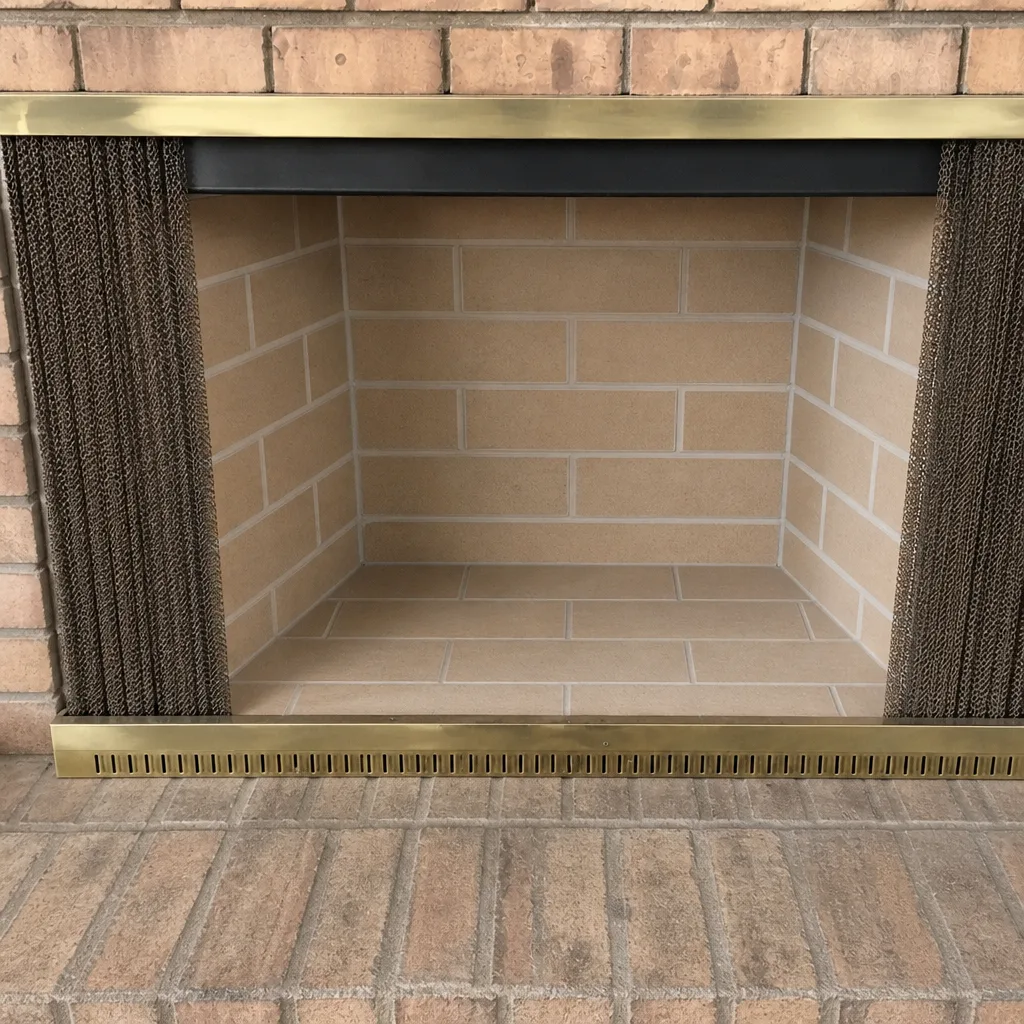
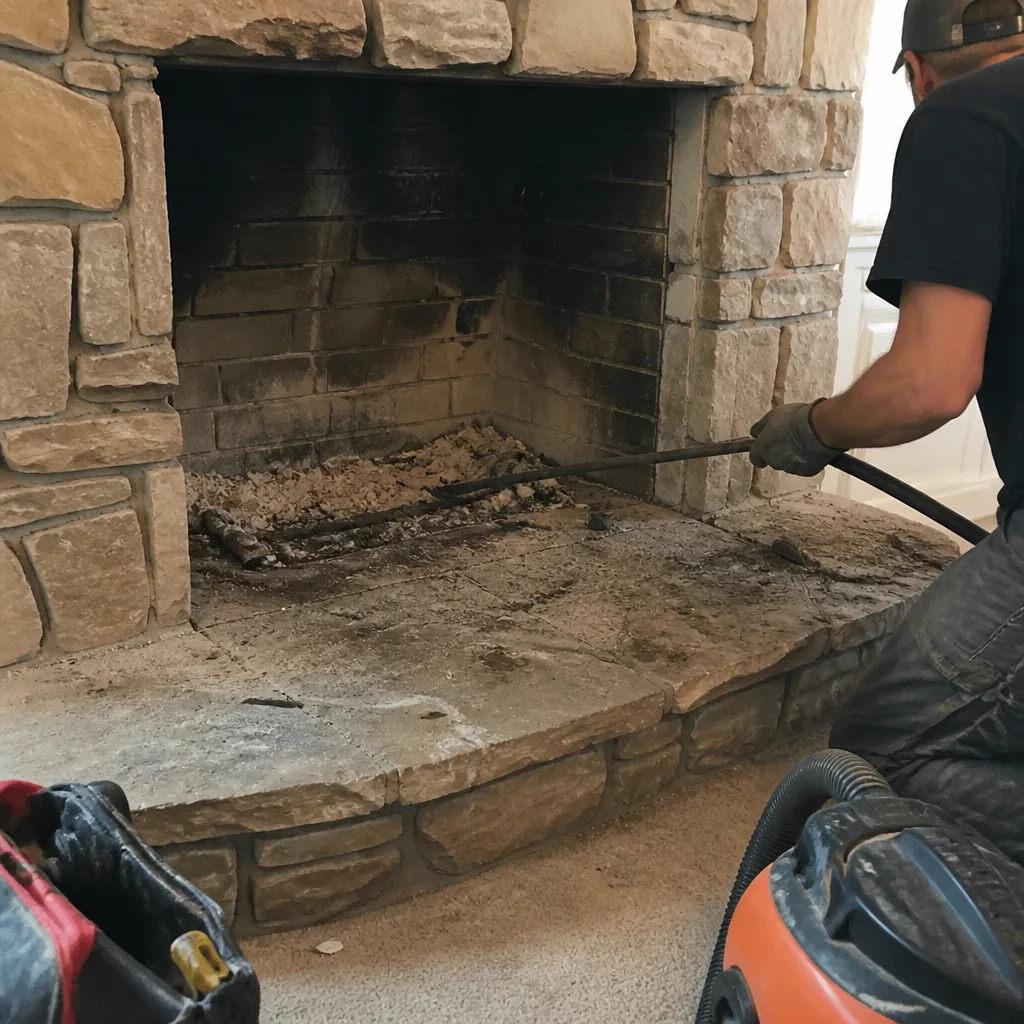
See the difference
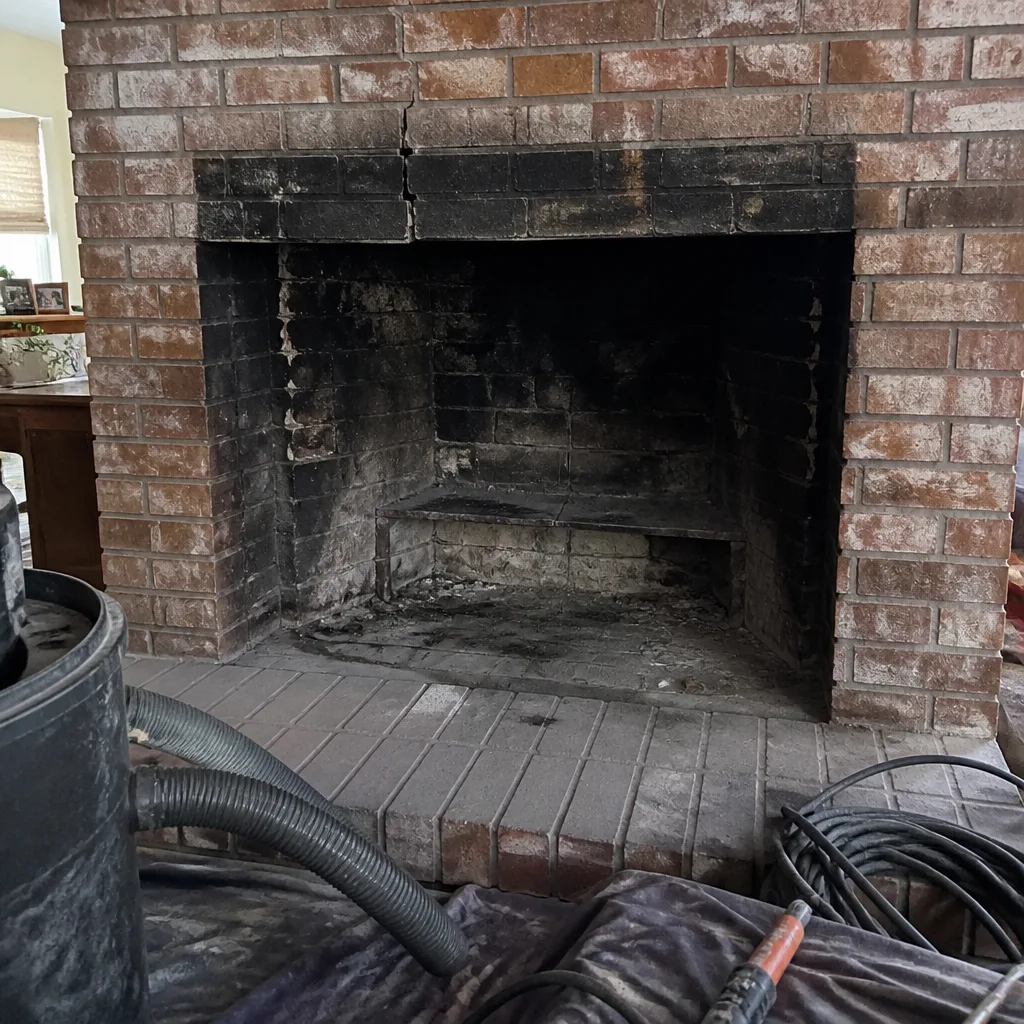 Before
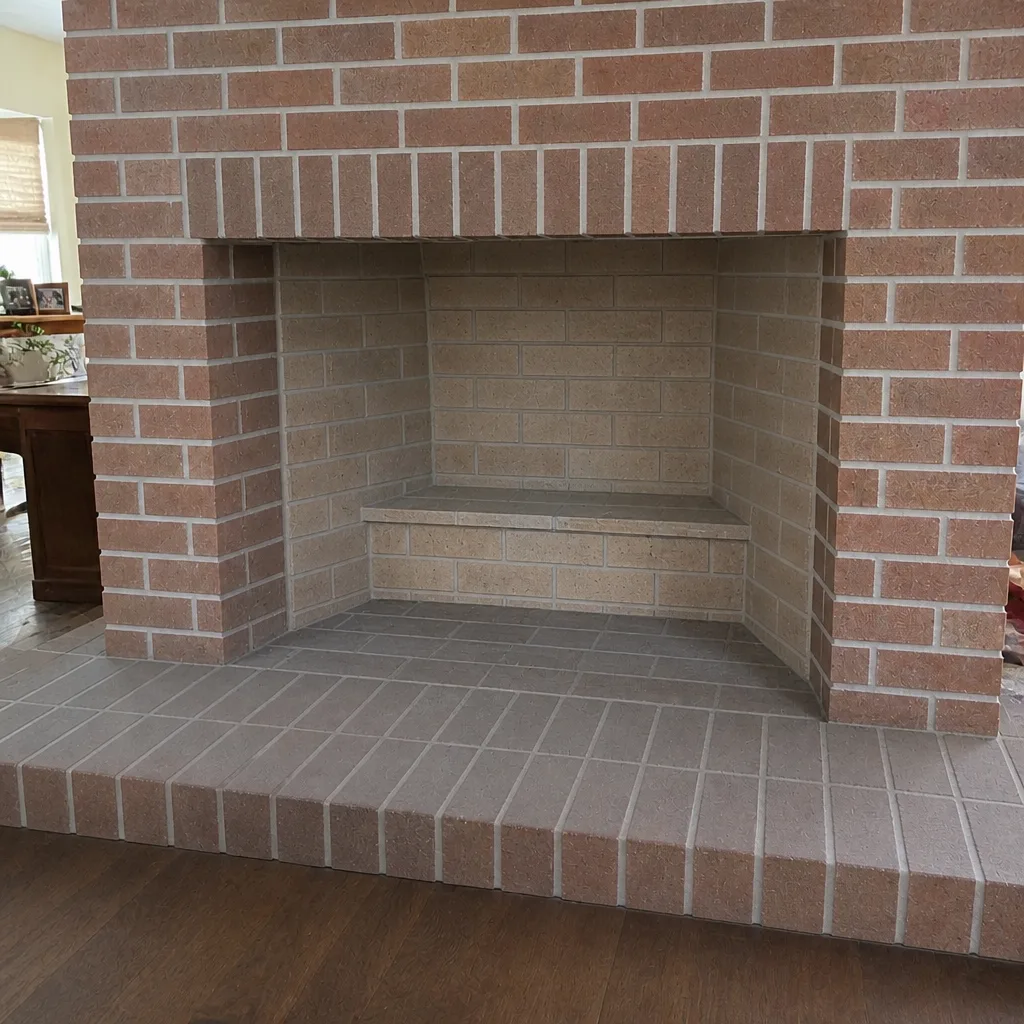 After
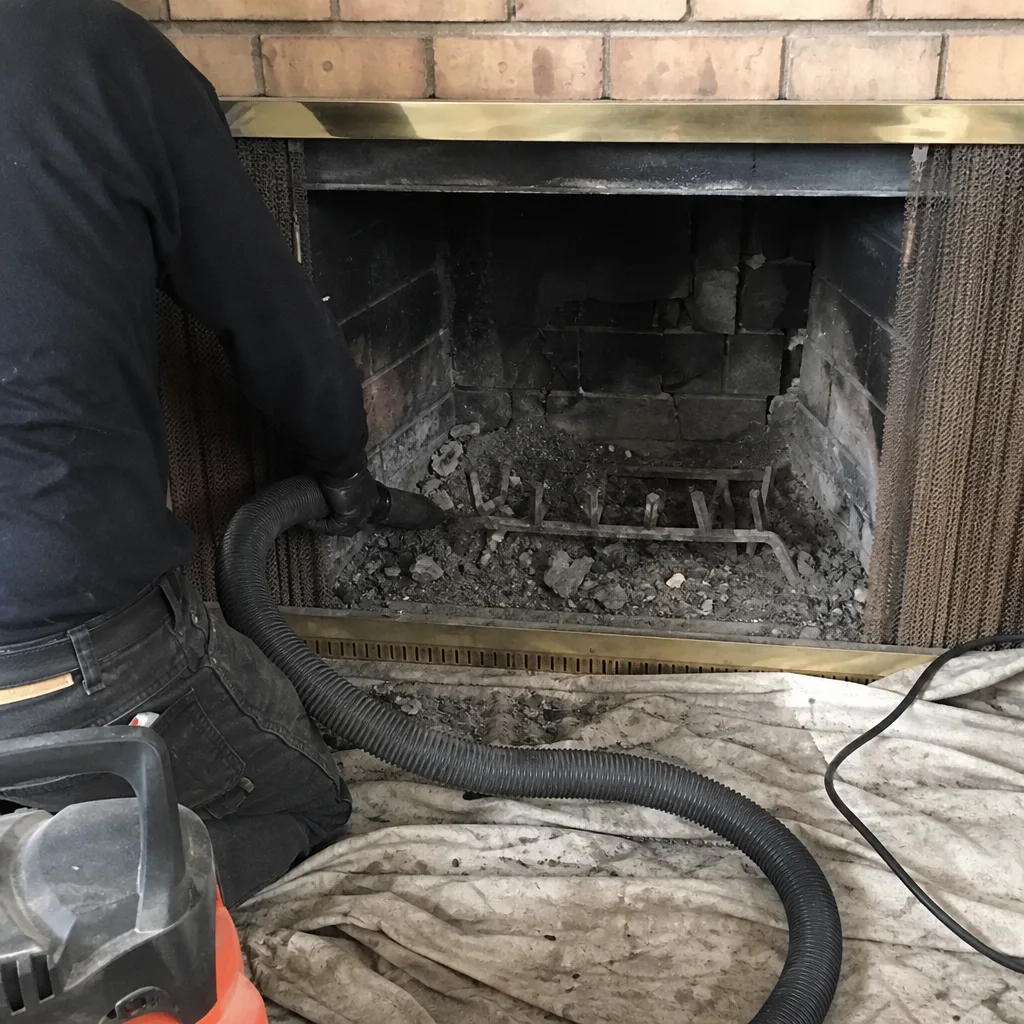 Before
 After
 Before
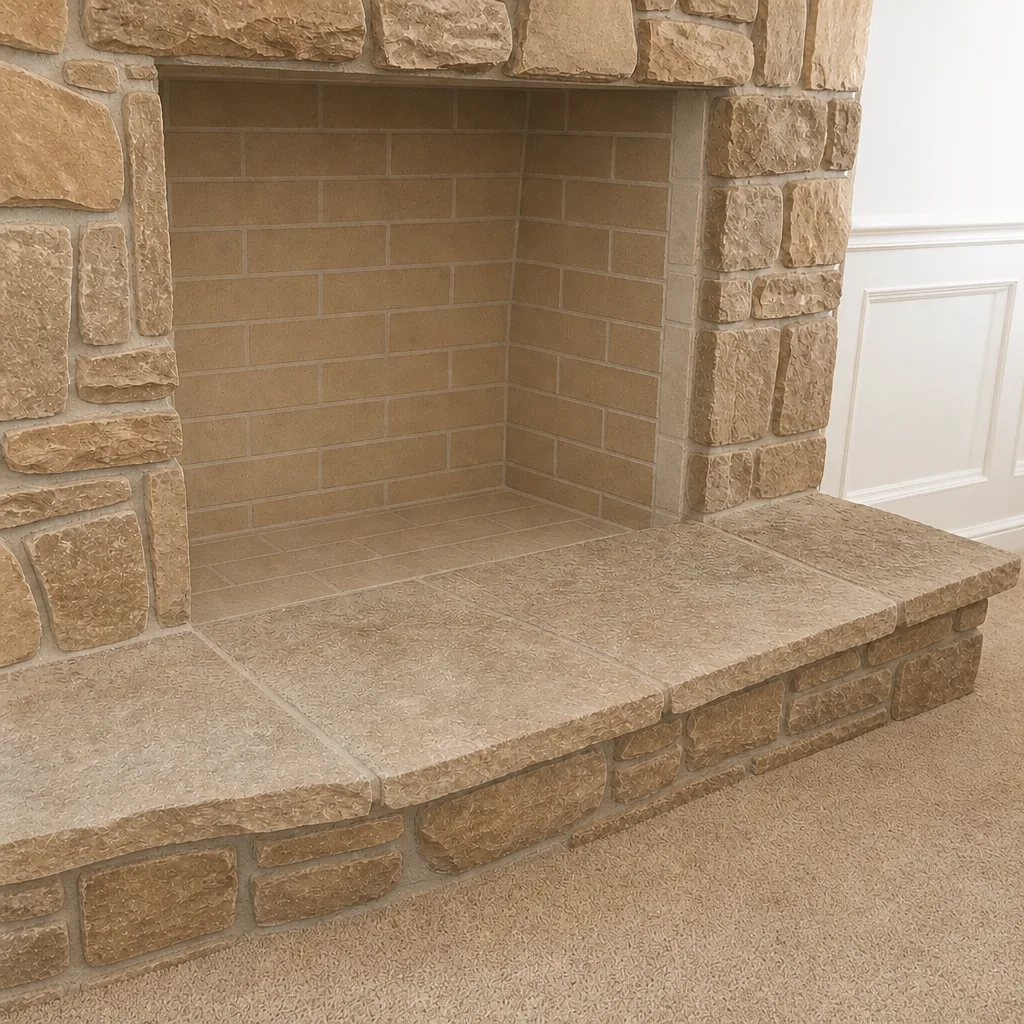 After
When to Call a Professional
Call a professional when the work is beyond cleaning and the permit question is live. That means: a crack or separation in the flue liner, a firebox that’s spalling or has failing mortar joints, a crown that’s cracked or crumbling, water staining in the smoke chamber or on the ceiling around the chimney, a chimney that drafts poorly or smells of creosote when it’s not in use, or a home purchase in West Jordan that hasn’t had a Level 2 inspection. If a previous owner had repair work done and you can’t find the documentation, that’s also a reason to call, because the inspector needs to confirm what’s actually there. West Jordan Chimney Sweep Pros offers free estimates in West Jordan – call (866) 937-7304. We answer 24/7. Fast dispatch from 7am to 7pm, Sunday through Friday.
Frequently Asked Questions
No. Routine chimney cleaning and the Level 1 inspection that comes with it are maintenance and don’t require a permit in West Jordan. The permit question opens up when the work shifts to structural repair, liner replacement, firebox rebuilds, or crown reconstruction. If your sweep recommends anything beyond cleaning, ask whether the proposed scope requires a permit before you agree. Call (866) 937-7304 for a free estimate.
In most cases, yes. A liner replacement is treated as construction because it alters the chimney’s venting system, and the installed liner must meet UL 1777 and IRC Section R1003. The permit requirement is set locally by West Jordan’s building department, so confirm the specific scope with them, but plan on a permit being required for a full reline. Call (866) 937-7304 for a free estimate.
A Level 1 inspection is a visual check of accessible parts of the chimney and is standard during a routine sweep. A Level 2 inspection is more thorough, often includes a camera run through the flue, and is required at a home sale, after a chimney fire, or after any event that could have damaged the system. A Level 3 inspection involves accessing concealed parts of the chimney, potentially opening walls, and is done when a serious hazard is suspected. For permit purposes, the Level 2 report is usually what establishes the repair scope. Call (866) 937-7304 for a free estimate.
It can. Most policies cover chimney fires and related losses only if the system was properly installed and maintained, and an insurer may request installation records when a claim is filed. Undocumented or unpermitted work makes that process harder, and the outcome depends on the specific policy language. Read your policy or call your agent with the specifics. Permitted, documented work is easier to defend. Call (866) 937-7304 for a free estimate.
Keep the permit number, the final signed inspection card, the written repair scope, product documentation (including the UL 1777 listing for any liner), before-and-after photos, the itemized invoice, and any written warranty. File them together with your home records. When you sell the house, hand them to the buyer’s inspector; when you file a claim, hand them to the adjuster. The single best thing you can do for your chimney’s long-term value is to make its history visible. Call (866) 937-7304 for a free estimate.
The general rule is once a year for a wood-burning fireplace that sees regular use, or whenever creosote has built up to about an eighth of an inch. Gas appliances need checking on a similar schedule because they can produce water vapor and corrosion in the flue rather than creosote. West Jordan’s freeze-thaw winters make the annual check more important than the rule alone suggests, because the crown and cap are checked at the same time. Call (866) 937-7304 for a free estimate.
The Bottom Line
Cleaning doesn’t need a permit. Repair usually does. That line is where the risk lives – not because the permit itself matters, but because the paperwork behind it is what protects you at inspection, at claim time, and at sale. The critical pieces: IRC Section R1003 for masonry chimneys, UL 1777 for liners, and a Level 2 inspection that establishes a repair scope before any work begins. If you’re in West Jordan and your sweep has recommended work beyond cleaning, ask the two questions: does this need a permit, and will you pull it? Then keep everything in writing. That’s the whole system.
West Jordan Chimney Sweep Pros handles the full chimney system – sweeping, inspection, repair, fireplace work, and cap and crown installation – using industry-grade materials including DuraFlex, HeatShield, Gelco, and Olympia Chimney. We’re happy to read a scope with you before you make a decision. Call (866) 937-7304 for a free estimate. We answer 24/7. Fast dispatch from 7am to 7pm, Sunday through Friday. Visit West Jordan Chimney Sweep Pros to see the full service range.
Written by the team at West Jordan Chimney Sweep Pros.