
Last updated November 25, 2026
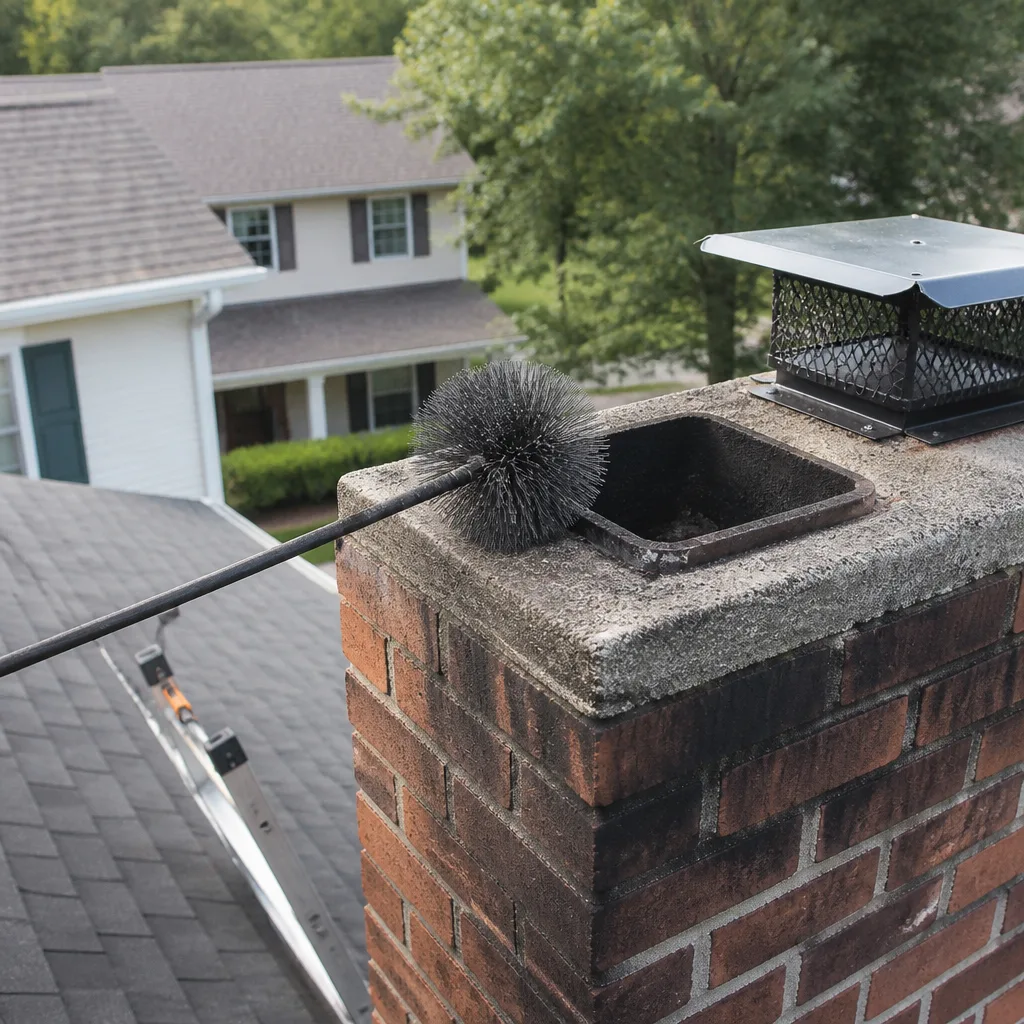 Sweep & inspection
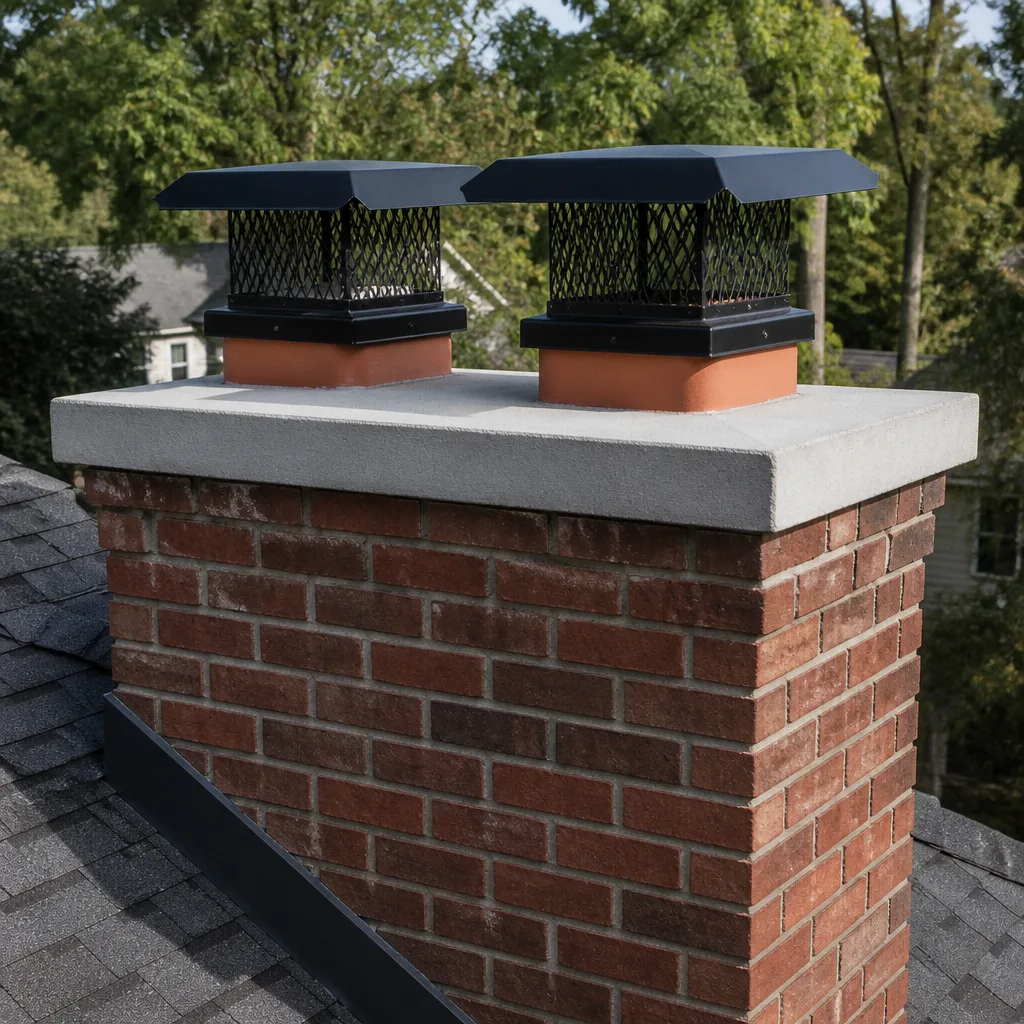 Caps & crowns
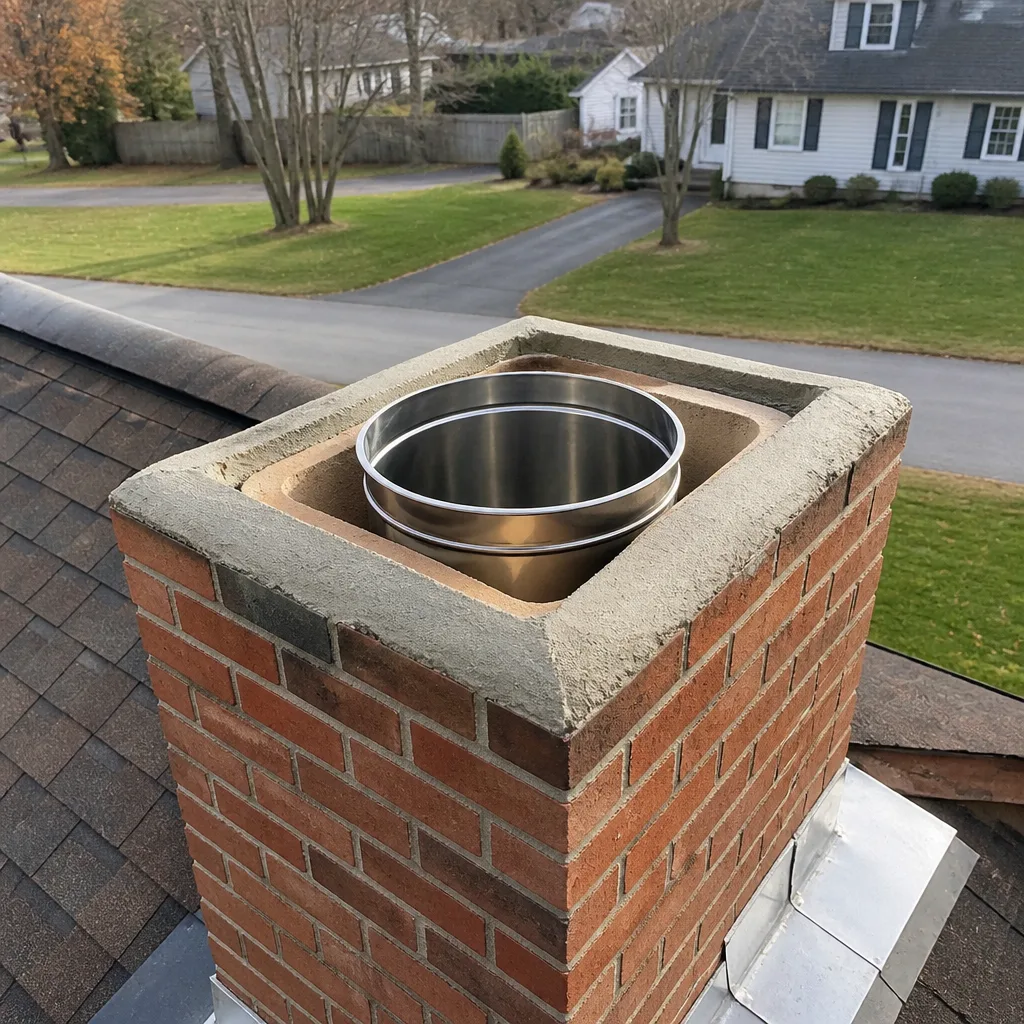 Flue relining
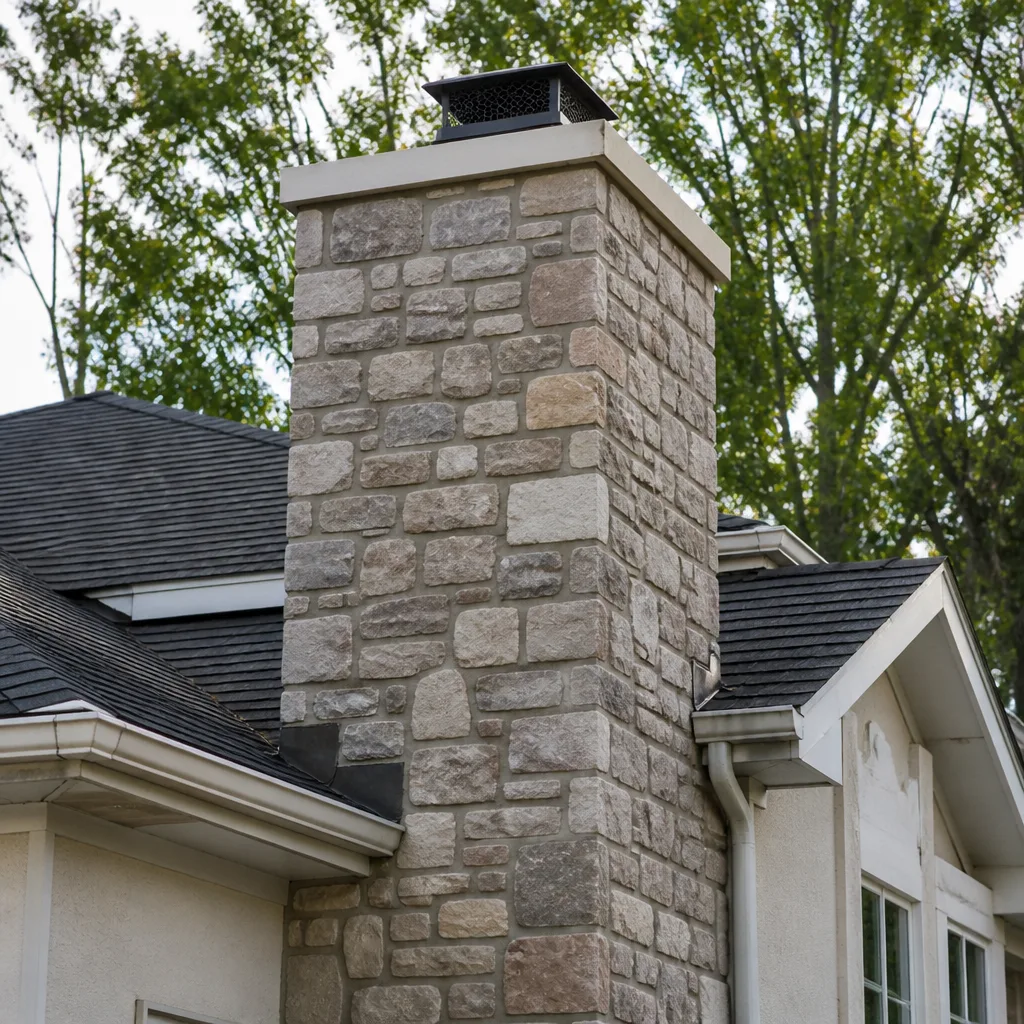 Masonry repair
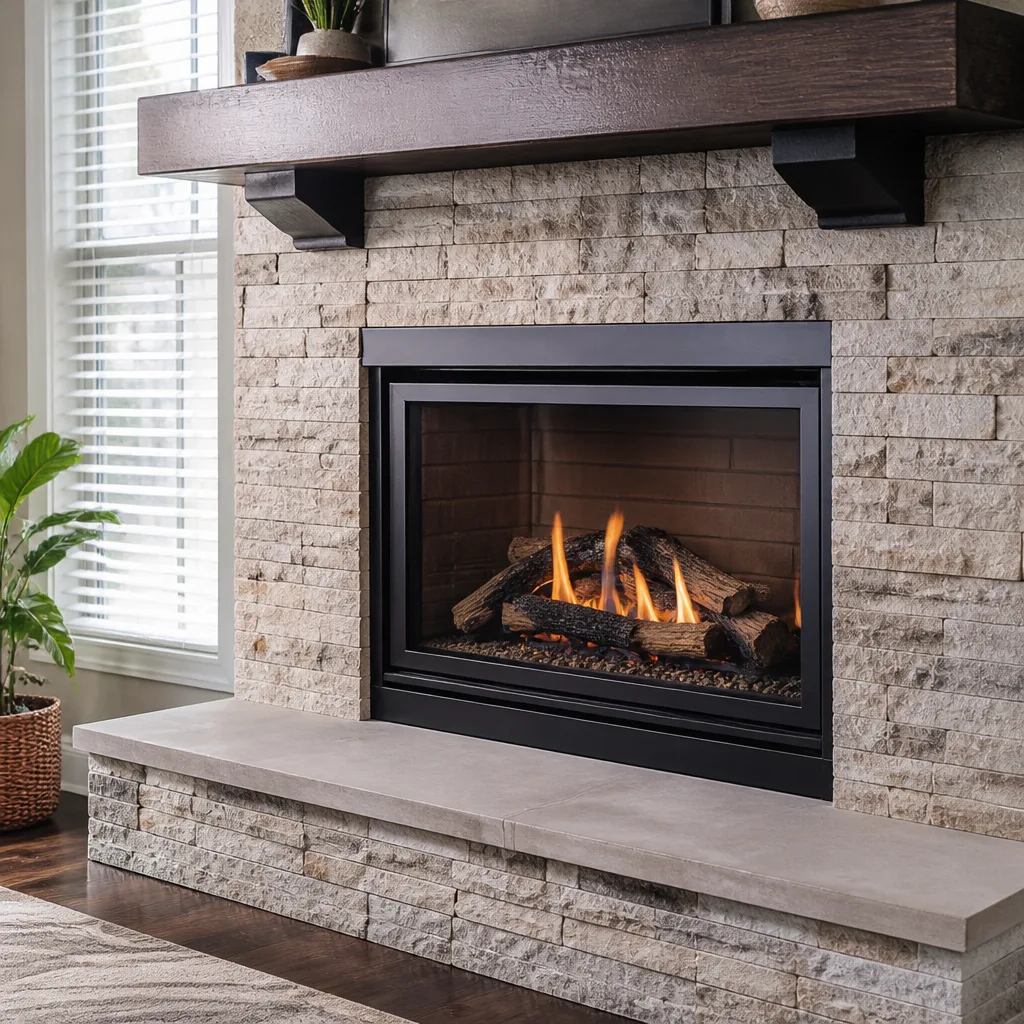 Gas fireplace service
Level 1 sweep and inspection to the NFPA 211 annual standard - flue, crown, cap, and flashing checked and photographed
Chimney sweep logs do not sweep chimneys. They loosen some creosote - which then falls where a brush and vacuum still have to collect it.
Chimney Sweep Maintenance Checklist for West Jordan Homeowners
“Inspect your chimney annually” is advice almost nobody can act on. What does a failing smoke shelf look like next to one that’s just sooty? How can you tell a hairline crown crack from a stain that’s normal? Most homeowners aren’t lazy about chimney care; they just don’t have a picture in their head of what a problem looks like at the stage where it’s cheap to fix. This checklist gives you the observable indicators, room by room and component by component, so you can assess your own chimney in West Jordan between professional visits with something better than guesswork.
Quick Answer
A chimney maintenance checklist for a West Jordan home covers the firebox, damper, smoke chamber and shelf, flue, crown, cap, flashing, and exterior masonry, checked on a seasonal cycle: fall before the burning season, spring after it, and after heavy snowpack or storms. Three items get skipped most often (damper seal, crown condition, flashing integrity), and each one is a water or draft problem you can spot yourself before it becomes a repair. Anything involving the flue interior, structural masonry, or the crown itself should be confirmed by a certified technician before you burn again.
Styles & brands we work with
- Sweep & inspection
- Caps & crowns
- Flue relining
- Masonry repair
- Gas fireplace service
Table of Contents
- How to Use This Checklist
- Room-by-Room and Component-by-Component Checks
- Seasonal Timing: What to Check in Fall, Spring, and After Snowpack
- The Three Checks West Jordan Homeowners Skip Most
- Which Failures You Can Handle and Which Need a Technician
- Keeping a Multi-Season Record
- Common Mistakes to Avoid
- When to Call a Professional
How to Use This Checklist
This guide is built for self-assessment, not self-repair. The distinction matters. You’re looking for specific visible and smellable indicators: a damper that won’t sit flush, a white chalky stain on masonry, a gray streak below the roofline, rust flakes inside the firebox. When you find one, you record it and decide whether it’s a clean-and-monitor item or a stop-and-call item. That’s the whole method.
A few things to get straight before you start. You don’t need to climb onto the roof to use most of this list, and we don’t recommend that you do. Many of the most important checks, including crown condition and flashing integrity, can be assessed from the ground with binoculars or from a window that looks down on the roof plane. The interior checks (firebox, damper, smoke chamber) happen at floor level with a flashlight and a mirror on a handle.
What you should have on hand:
- A bright flashlight, ideally one with a narrow beam
- A small inspection mirror on an extendable handle
- A notebook or a phone note dedicated to the chimney (more on this below)
- Binoculars for exterior checks from the ground
- A camera, so indicators get photographed for comparison over seasons
One caution before we go further: nothing in this guide asks you to open, disassemble, or reach into the flue, dismount the cap, or walk the roof. High-tension chimney components and roof work are jobs for trained professionals. The checklist is about seeing clearly, not about doing the repair yourself. When we run a chimney sweep in West Jordan, the camera inspection and photo report are part of the visit precisely because a trained eye catches what a flashlight beam misses.
Room-by-Room and Component-by-Component Checks
Here’s the full checklist, organized by where you’ll be standing when you check it. Each item has a specific indicator to look for, so you can answer “pass,” “watch,” or “fail” instead of “looks okay, I guess.”
At the fireplace: firebox and hearth
- Firebox walls: Look for cracks wider than a hairline, crumbling mortar joints, or loose firebrick. A whitish or grayish crumbling surface on the firebrick is a sign of heat damage.
- Hearth extension: Check that the hearth extends the full width in front of the firebox opening and that there are no gaps where it meets the floor.
- Ash and soot depth: More than about an inch of ash buildup in the firebox is a sign the firebox needs cleaning and possibly that the chimney above it is overdue.
- Rust or water staining: Brown or orange streaks on the firebox walls or the floor of the firebox mean water is getting in from above. This is a “fail” item, not a “watch.”
At the damper
- Seal: With the damper closed, look up at it with a flashlight. You should see no daylight around the edges and no gaps at the plate. Daylight means it isn’t sealing and you’re losing heat and pulling cold air in when the fireplace is off.
- Operation: It should open and close smoothly by hand. A damper that sticks, binds, or won’t stay in position needs adjustment or replacement.
- Rust: Rust on the damper plate itself is a water-intrusion indicator, the same as rust in the firebox.
At the smoke chamber and smoke shelf (the hard-to-see zone)
This is the area above the damper, before the flue, and it’s where a lot of confusion lives. A dirty smoke shelf has even soot coating and no crumbling. A deteriorating smoke shelf has cracking, loose mortar, or rough, pitted surfaces where the masonry has broken down. A flashlight and angled mirror held below the damper let you see up into it. If the surface is rough enough that you can see texture differences from one side to the other, that’s a technician call, not a cleaning task.
At the cap and crown (assessed from the ground)
- Cap: Should be intact, with no missing pieces and no gaps between cap and flue. If the cap is loose or missing, birds and rain get in, and the flue starts a slow decline.
- Crown: The concrete or masonry cap at the top of the chimney. Look for a crack that runs from the flue to the edge, rough or spalling surface, or a visible gap where it meets the flue tile. The crown is the top of your chimney’s defense against water, and a cracked crown is a water leak waiting on the next big rain.
At the flashing and roof line
- Flashing: The metal collar that seals the roof to the chimney. Look for rust, separation from the roof, loose fasteners, or lifting edges.
- Masonry staining: Gray or white streaks running down the chimney below the roofline point to water washing through the masonry. This is one of the most useful indicators and one most homeowners never look for.
Inside the house (the overlooked room)
- Smoke smell when not burning: A persistent smoky or creosote smell in the room when the fireplace is off means the house is pulling air back down the flue. Check that the damper is closed and the cap isn’t missing.
- Draft test: On a cold, still day with the damper open and no fire, hold a lit match or a smoke pencil near the firebox opening. If it pulls inward and up, the draft is working. If it flutters back into the room, you’ve got a draft problem worth a call.
- Ceiling and wall stains above the fireplace: Any discoloration on the walls near the chimney or on the ceiling above it should be treated as a water issue until proven otherwise.
That covers the whole house-to-crown sweep. When we assess a West Jordan chimney, we’re walking through exactly these items with a camera, so the photo report you receive matches what you saw with your own eyes. The value of running the checklist yourself is that you know what questions to ask.
Seasonal Timing: What to Check in Fall, Spring, and After Snowpack
Timing matters because different problems show up in different seasons. A fall inspection catches everything the summer left behind before you light the first fire. A spring check catches the damage the winter did. West Jordan’s valley winters bring snow and freeze-thaw cycles that work on masonry, and the spring thaw is when cracks and flashing failures announce themselves. Here’s how to spread the checklist across the year.
Fall: before your first fire
- Everything in the fireplace and damper sections. The pre-season check is the most complete one. Run the full interior list before the burning season.
- Crown and cap from the ground. Look with binoculars before the snow flies, so you know the baseline condition going into winter.
- Book your professional sweep and inspection. A sweep before the season opens ensures a clean flue and a documented starting point.
- Confirm the smoke chamber and shelf. Since you can’t fully see this zone from below, the annual technician visit is where it gets confirmed.
Spring: after the burning season closes
- Re-check the crown and flashing. Freeze-thaw cycles are when new cracks appear. Compare to your fall photographs.
- Check interior for water indicators. Rust on the damper or firebox, stained walls, or a smoky smell that wasn’t there in the fall.
- Inspect the smoke shelf and chamber again with the flashlight and mirror, watching for changes in surface texture.
- Note any masonry staining below the roofline that wasn’t there before winter, and photograph it.
After heavy snowpack or a big storm
- Cap and crown: Look for missing pieces or shifted concrete. Heavy snow load can crack a weakened crown.
- Flashing: Snow and ice can lift flashing at the roof line. Check for separation and loose fasteners.
- Chimney exterior: Any visible change in the masonry from the ground, especially spalling or a new white-streak pattern.
- Interior water check: After significant melt, re-check the firebox and damper for fresh rust or staining, and look at the ceiling and wall above the fireplace.
If your fireplace is gas, treat the interior checks a little differently. You won’t see creosote or ash the way you would with wood, but you will see rust, condensation, and the crown and flashing issues just the same. A gas fireplace still needs its flue and venting assessed, and a fireplace repair call is the right move if you see rust or staining in the unit.
The Three Checks West Jordan Homeowners Skip Most
Of the whole checklist, three items get missed far more often than the rest. They share a trait: they’re all about water and draft rather than fire and soot, so they don’t feel urgent to a homeowner focused on the fireplace itself. In our experience, they’re the checks most likely to catch an expensive problem early.
1. Damper seal
Most people open and close the damper and call it functional. The seal is the part that matters. With the damper closed, look up with a flashlight for daylight around the plate edges. Daylight means the damper isn’t sealing, which means your heated air escapes up the flue when the fireplace is off and cold air seeps in. Over a West Jordan winter, that shows up on the utility bill as a slow leak rather than a spike. A poor seal doesn’t necessarily mean a new damper; sometimes it’s adjustment, sometimes it’s replacement. It’s a small fix that gets skipped because the fireplace still works.
2. Crown condition
The crown is the top surface of the chimney. When it cracks, water runs down into the masonry and starts a slow, expensive decline. From the ground, with binoculars, you can spot a crack running across the crown, spalling concrete, or a visible gap where the crown meets the flue tile. What you can’t do from the ground is repair it. Our cap and crown work exists because this is the failure point homeowners discover only after water damage has spread into the interior. A cap and crown in good condition is the whole waterproofing strategy of the chimney above the roof line.
3. Flashing integrity
Flashing is the metal around the base of the chimney where it meets the roof. It’s small, it’s easy to ignore, and it’s one of the most common places water enters. Look for rust, loose fasteners, or edges that have lifted away from the roof. If you have any doubt, get it looked at by a technician. A failing flashing isn’t a chimney fire hazard, but it’s a slow leak that ruins ceilings and rot wood over a few winters.
Notice the pattern with all three: these are water and draft issues, not fire and soot issues. They don’t announce themselves with smoke. They announce themselves with a stain on the ceiling in January, which is a much more expensive time to find them. When we quote chimney repair in West Jordan, crown and flashing issues are the most common water-related calls and the most preventable with regular checks.
Which Failures You Can Handle and Which Need a Technician
As a homeowner, some checklist findings are yours to handle and some are reasons to stop and call. Knowing which is which protects both your wallet and your safety.
Safe to handle yourself (with common sense)
- A dirty smoke shelf is one thing. A deteriorating one is not. If the surface has even soot and no crumbling, it’s a cleaning matter for the next sweep. Roughness or crumbling means a technician.
- Ash cleanup in the firebox is routine and safe, following the fireplace manufacturer’s instructions.
- Loose debris on the cap (leaves, small twigs) can be noted from the ground and included in a technician’s visit. Don’t reach for it yourself.
- Recording and photographing your observations is entirely in your control and useful for tracking change.
Requires a trained technician, every time
- Crown cracks and spalling. Crown repair involves masonry work at roof height. That’s a technician job. No exceptions.
- Flashing issues. Roof-level repair, and it needs to be done correctly or it leaks again.
- Damper replacement. Removing and installing a damper plate requires working above the firebox in the smoke chamber zone.
- Any sign of water intrusion inside the firebox or on the damper. Water always enters from above, and the fix is above too. This is where a camera inspection inside the flue tells you exactly where it’s coming from.
- Cracked firebrick in the firebox walls. Firebox repair requires matching materials and correct installation. It’s not a caulk job.
- Smoke chamber and smoke shelf deterioration. This zone is above the damper and effectively unreachable without removing components.
The rule of thumb: if the fix involves the roof, the flue interior, the crown, the flashing, the smoke chamber, or the damper, it’s a technician. If the fix is cleaning soot and ash from surfaces you can reach safely, it’s yours. When a technician visits a West Jordan home, the camera inspection and photo report are included so you can see the exact condition of the parts you can’t reach, and nothing is recommended without photo evidence of the finding.
We also want to be clear about what materials get used when repair is needed. General handyman services and basic sweep operations often use hardware-store substitutes. We work with professional-grade brands like DuraFlex for flexible liner systems, HeatShield for liner restoration, Copperfield, and Famco, the same materials specified by certified chimney specialists. That matters for a repair that needs to outlast the next hard winter, not just get through the season.
Keeping a Multi-Season Record
A checklist you run once is a snapshot. A checklist you run for five years is a trend, and the trend is what tells you whether your chimney is stable or heading toward a repair. A dull stain you photographed three winters ago and have watched spread is a very different finding than the same stain appearing this month. Keeping a simple record is the single easiest way to make self-assessment more reliable.
You don’t need anything fancy. A phone note or a spiral notebook dedicated to the chimney works. For each checklist run, capture:
- Date and season (fall, spring, post-storm)
- For each component: pass, watch, or fail
- Photographs of the crown, flashing, and any staining from a consistent angle
- Anything you noticed and want the technician to look at
- What the technician reported at each professional visit, with a copy of the report if you get one
A simple layout works well: a page per season, with the same five headings every time (firebox, damper, smoke chamber and shelf, crown and cap, flashing and masonry). Photos go with a date and a short note about what you were seeing. The technician’s report gets folded in after each visit. The whole thing takes about ten minutes per check.
Why bother? Because “when did I first notice that stain?” is the question that decides whether a repair can wait or whether it should happen now. Having that answer lets you have a straight conversation with a technician without relying on memory, and it lets the technician compare your observations to the camera inspection. It’s also a useful record if you ever sell the home, since it shows the chimney has been actively maintained.
Common Mistakes to Avoid
- Treating “it still works” as passing. A fireplace can function perfectly while its damper seal is failing and its crown is cracked. Function and condition are two different tests; use both.
- Skipping the crown and flashing because they’re above the roof line. These are the two most common water-intrusion paths on a West Jordan chimney, and they’re assessable from the ground with binoculars. Looking costs nothing.
- Using a hardware-store caulk or patch on a crown crack. It looks repaired for a season and fails silently the next. Crown and flashing repair need correct materials applied correctly, which is a technician’s job.
- Assuming a gas fireplace doesn’t need checking. Gas fireplaces still have flues, venting, caps, and crowns, and they can show water intrusion and draft problems just like wood-burning units.
- Relying on memory instead of a record. A stain you’ve been watching for three winters looks stable when you’re relying on recall. Photographed and dated, it tells the truth.
- Ignoring a smoke smell when the fireplace is off. A persistent smoky or creosote smell usually means a draft or cap issue, and it’s worth a call before the burning season starts.
- Postponing a professional visit because the checklist “passed.” A self-check is a supplement to the annual technician sweep, not a replacement for it. The parts of the system that cause the most serious problems can’t be fully assessed from the firebox.
When to Call a Professional
Call a trained technician when any of these appear: a crown crack, spalling concrete, or a gap where the crown meets the flue tile; flashing that’s lifted, rusted, or separated; rust or water staining inside the firebox, on the damper, or on the ceiling above the fireplace; a smoke shelf or smoke chamber that has gone rough or crumbling; cracked firebrick in the firebox walls; a damper that won’t seal or function; or a persistent smoky smell when the fireplace is off. Also call if you’ve never had a professional inspection or the last one was several years ago, even if the checklist looks clean. The camera inspection catches what a flashlight can’t.
West Jordan Chimney Sweep Pros offers free estimates in West Jordan. Call (866) 937-7304. We answer 24/7, with fast dispatch from 7am to 7pm, Sunday through Friday. We’re closed Saturday. Estimates are free and the price is set per job by the written estimate.
See the difference
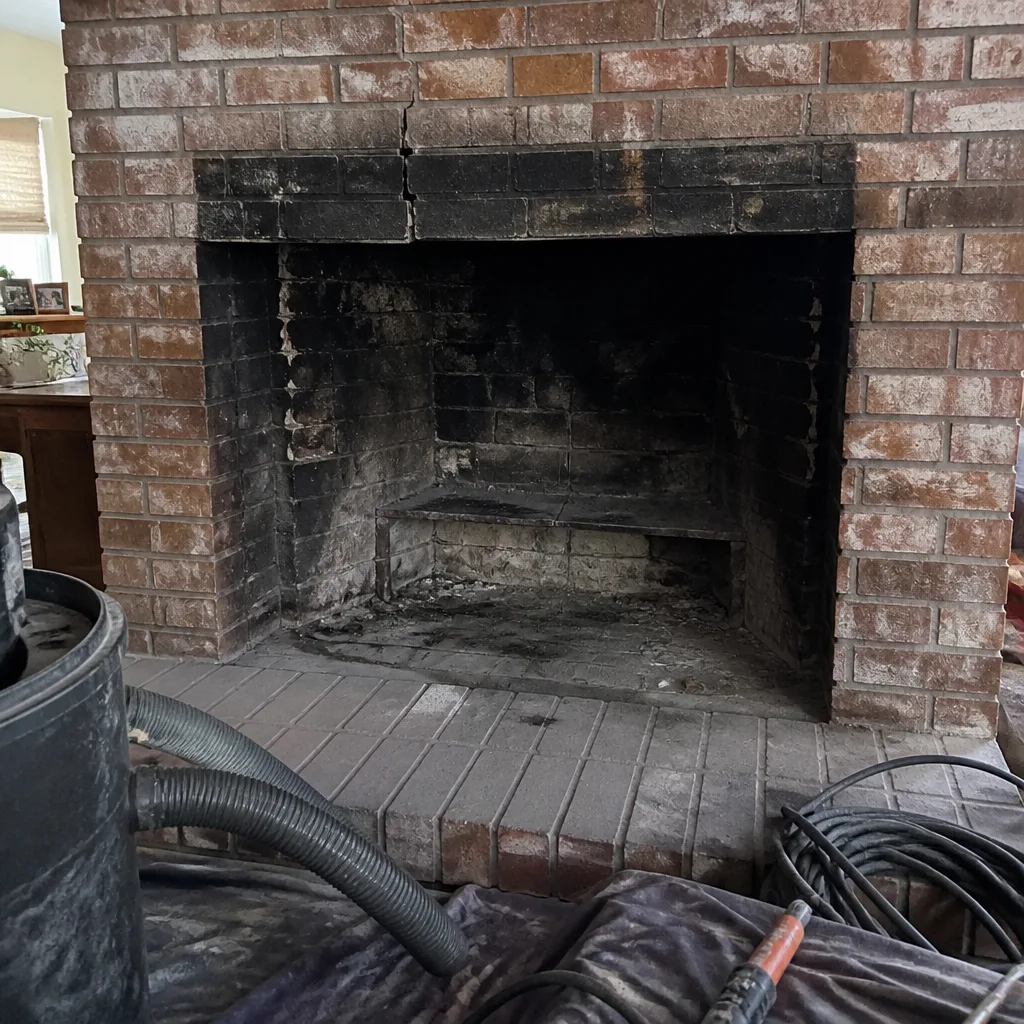 Before
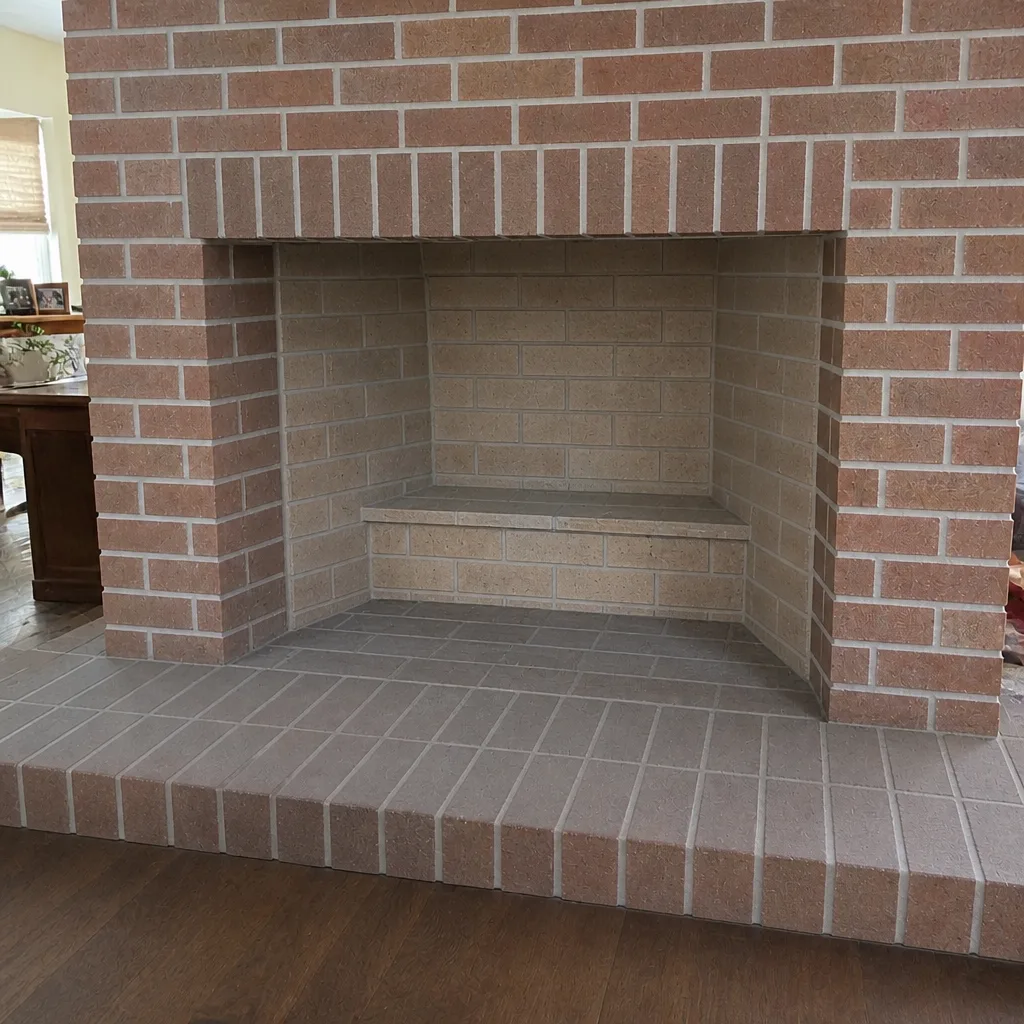 After
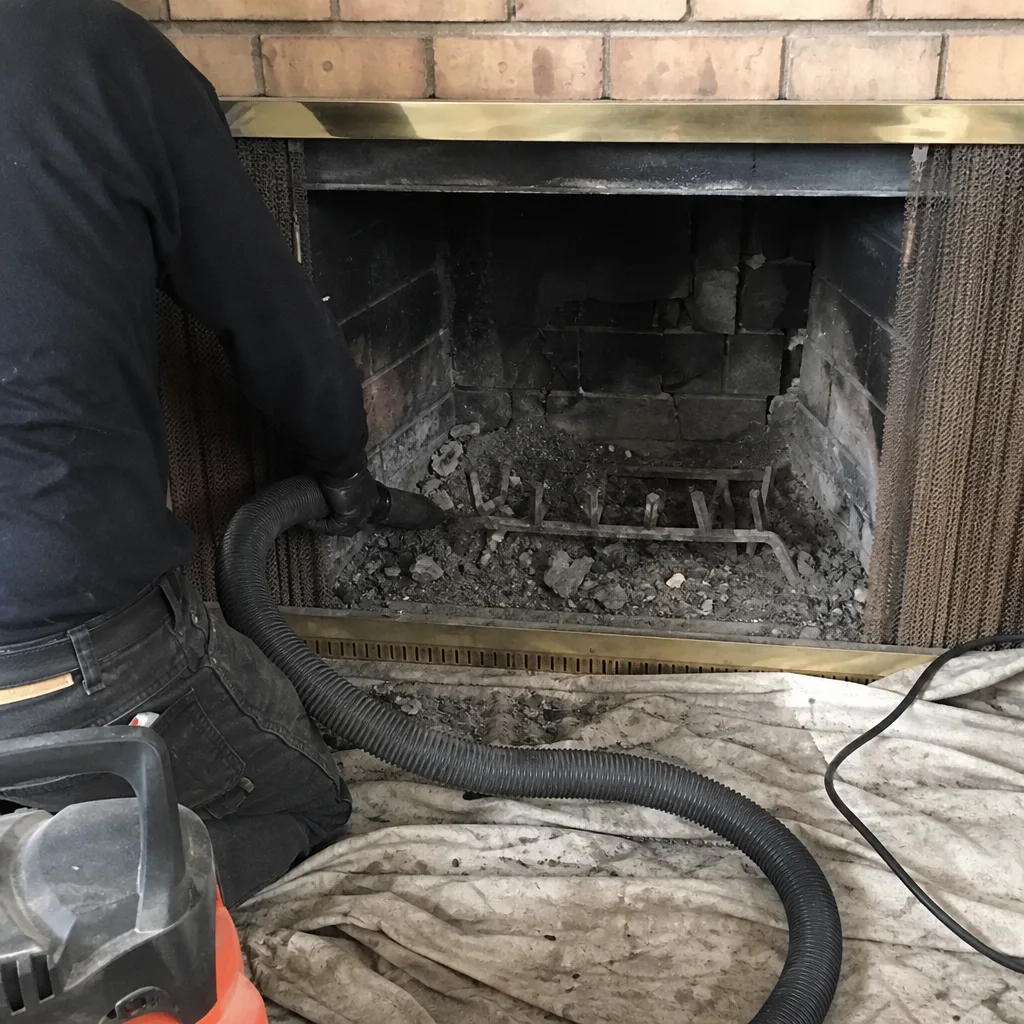 Before
 After
 Before
 After
Frequently Asked Questions
Once a year is the standard for a home with an active wood-burning fireplace, and gas fireplaces should be assessed annually as well. West Jordan’s valley winters mean most homes here burn a good amount of wood, so an annual sweep before the burning season is the reliable rhythm. If you burn heavily, or you’ve moved into a home and don’t know its history, a professional inspection should come first to establish a baseline. Call (866) 937-7304 for a free estimate.
Two things, and neither is loud. Creosote builds up in the flue with every fire and becomes a fire hazard at a certain thickness; a dirty flue is the leading cause of chimney fires. Meanwhile, a cracked crown or failing flashing lets water into the masonry every time it rains or the snow melts, and water damage behind the wall is invisible until it’s expensive. Neither shows up as a complaint from the fireplace. That’s exactly why the checklist exists. Call (866) 937-7304 for a free estimate.
Not always, and that’s why a camera inspection comes first. A liner is needed when the existing clay tile or liner is cracked, spalled, or missing sections, since a breached liner lets heat and gases reach framing. Some liners can be restored rather than replaced, which is where HeatShield comes in, and flexible options like DuraFlex let a manufacturer-approved liner go in without full demolition. We don’t recommend a liner or a restoration without photo evidence of the actual problem. Call (866) 937-7304 for a free estimate.
You can and you should, from the ground with binoculars or from a window that looks down on the roofline. Look for a crack running across the crown, spalling concrete, a gap where the crown meets the flue, rust or lifting on the flashing, and gray or white streaks running down the masonry below the roof line. Taking that look is one of the highest-value parts of this checklist. Repairing what you find is a technician’s job; roof-level work isn’t a homeowner task. Call (866) 937-7304 for a free estimate.
Yes. A working fireplace is one whose fire burns and whose smoke goes up. That says nothing about the condition of the damper seal, the crown, the flashing, the smoke chamber, or the flue interior, and those are precisely the components that cause the serious problems. A camera inspection and photo report confirm condition and give you a baseline to track against. That way your multi-season record has a trustworthy starting point. Call (866) 937-7304 for a free estimate.
Before the burning season opens in the fall, and again in the spring to check the damage winter did. West Jordan’s valley freeze-thaw cycles are hardest on masonry, crown, and flashing, so the spring check is when those show up. If heavy snowpack has piled up on the roof, check cap, crown, and flashing once it melts. The annual technician sweep fits naturally in the fall slot, before the first fire. Call (866) 937-7304 for a free estimate.
The Bottom Line
A useful checklist tells you what a problem looks like, and this one does: white chalky staining on the crown, daylight around a closed damper, gray streaks below the roofline, rust flakes in the firebox, a smoke shelf gone rough instead of evenly sooty. Run the interior checks in fall, the exterior checks in spring and after heavy snowpack, and photograph as you go. Handle the cleaning yourself and call a technician for the crown, flashing, flue, smoke chamber, and damper. Keep the record. That’s how you catch the expensive problems while they’re still cheap. Call West Jordan Chimney Sweep Pros at (866) 937-7304 for a free estimate. We answer 24/7, with fast dispatch from 7am to 7pm, Sunday through Friday. We’re closed Saturday. Estimates are free, and the written estimate sets the price.
Written by the team at West Jordan Chimney Sweep Pros.