
Last updated November 25, 2026
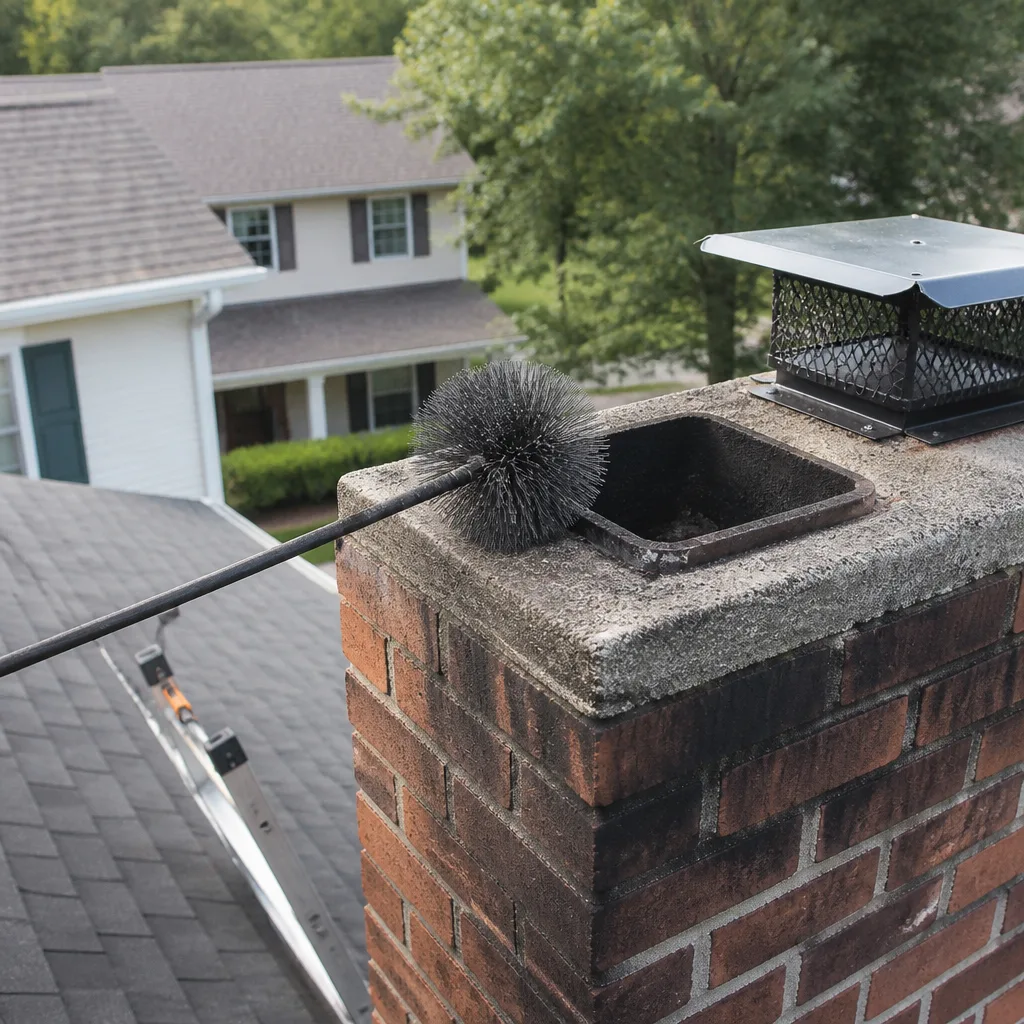 Sweep & inspection
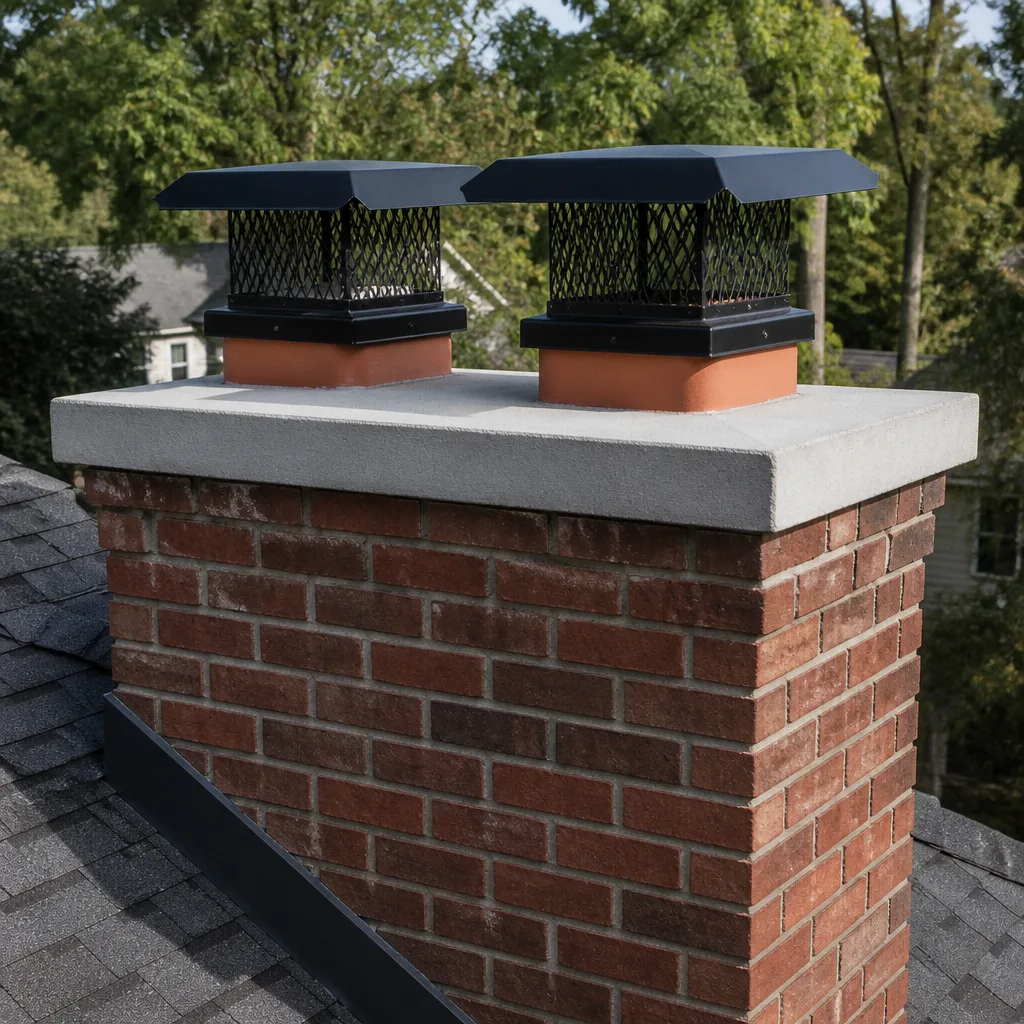 Caps & crowns
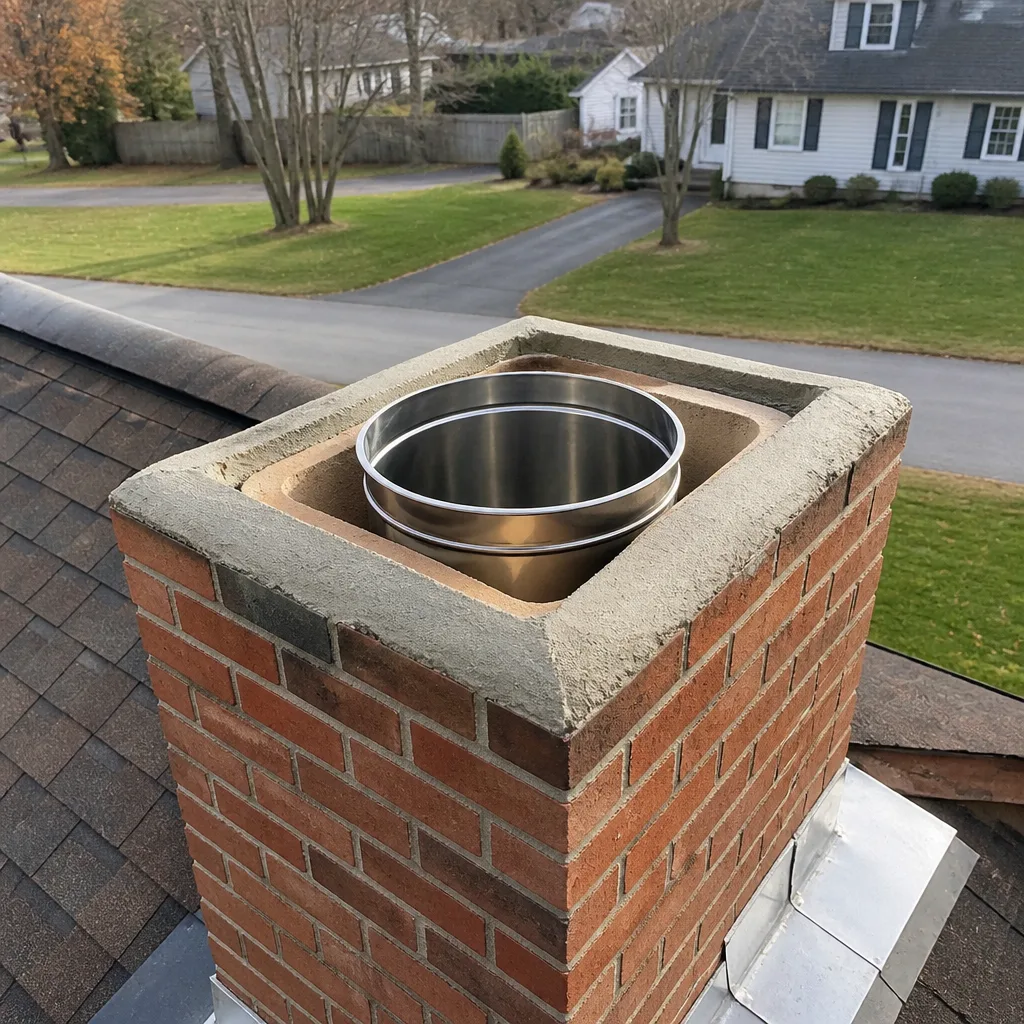 Flue relining
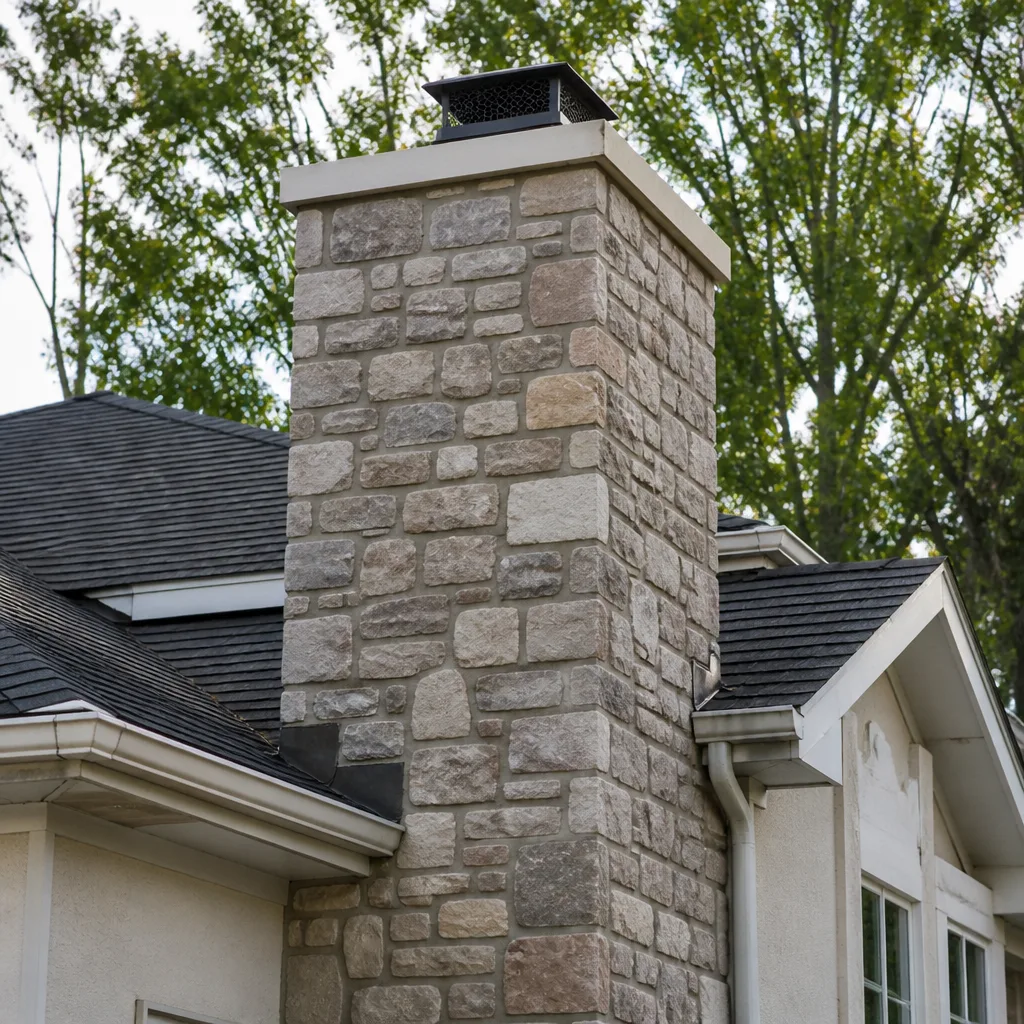 Masonry repair
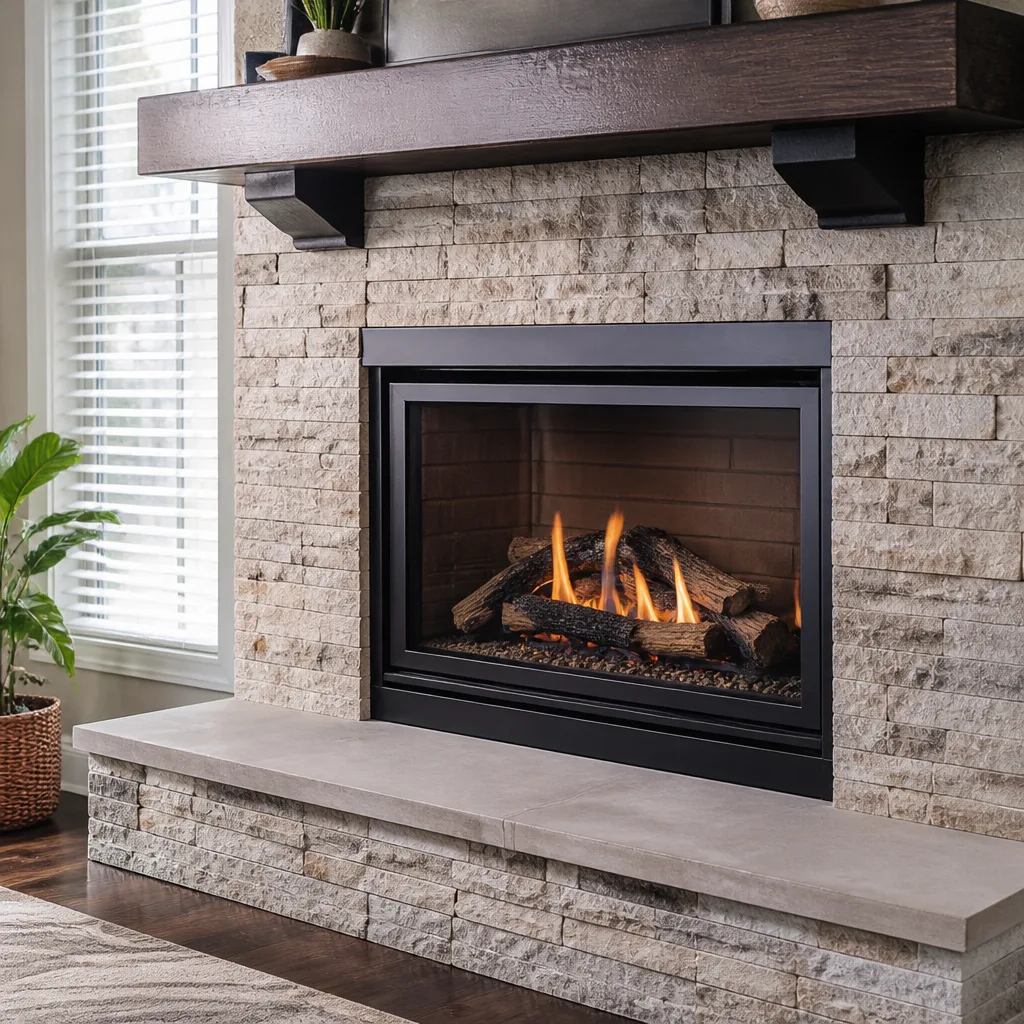 Gas fireplace service
Level 1 sweep and inspection to the NFPA 211 annual standard - flue, crown, cap, and flashing checked and photographed
Chimney sweep logs do not sweep chimneys. They loosen some creosote - which then falls where a brush and vacuum still have to collect it.
The Complete Guide to Chimney Cleaning in West Jordan
Most chimney fires don’t start because homeowners skipped cleaning – they start because the cleaning stopped at the flue and missed the problems hiding in the smoke chamber and liner joints above it. A brush down the flue clears soot you can see. It does nothing for the offset shelf where creosote glazes onto masonry, or the cracked mortar joint two feet above the damper that lets heat reach framing. In West Jordan, where the burning season runs long and the air is dry, those hidden failure points get stressed year after year. This guide maps the whole chimney system, not just the pipe, so you know what should be cleaned, inspected, and documented every time a technician visits your home.
Quick Answer
Chimney cleaning in West Jordan means more than running a brush through the flue. A proper visit includes a Level 1 or Level 2 inspection, removal of creosote from the flue and firebox, attention to the smoke chamber and damper seating, and a written report with photos of anything that needs repair. Sweeps are typically recommended once a year for wood-burning fireplaces in active use, and whenever you notice staining, odors, draft problems, or you’ve bought a home with an unknown chimney history.
Styles & brands we work with
- Sweep & inspection
- Caps & crowns
- Flue relining
- Masonry repair
- Gas fireplace service
Table of Contents
- Why Chimney Cleaning Is a System Diagnosis, Not a Single Service
- Level 1, 2, and 3 Inspections: Which One Do You Need?
- The Three Stages of Creosote and What Each One Requires
- What Gets Cleaned Beyond the Flue
- How West Jordan’s High-Altitude Desert Climate Affects Your Chimney
- What a Written Cleaning Report Should Include
- How a Chimney Sweep Visit Actually Goes
- How Often Should a West Jordan Chimney Be Swept?
Why Chimney Cleaning Is a System Diagnosis, Not a Single Service
A chimney is a stack of connected components that all affect one another. The firebox holds the fire. The damper controls airflow. The smoke chamber compresses and funnels exhaust into the flue. The flue carries it up. The crown and cap keep water out. The masonry or liner holds the whole thing together. When one part fails, the others take the load, and that’s where repeat problems come from.
Picture the smoke chamber for a moment. It’s the sloped funnel above the damper, and on many older West Jordan homes it’s built from corbelled brick with rough, stepped surfaces. Soot and creosote collect on those ledges in ways a straight flue brush can’t reach. When that buildup ignites, the fire sits right above the damper, in the same chamber that sends heat into the surrounding masonry. That is a different hazard than a flue fire, and it’s why a system-level cleaning matters.
Treating cleaning as a one-size job also means missing the joints. Liner sections connect at seams, and those seams are where gaps form as metal expands and contracts through hot and cold cycles. A brush passes them without noticing. An inspection catches them, and a photo of the seam tells you what to do next.
Our approach is to inspect before we recommend, every time. That means we look at the whole system – firebox, damper, smoke chamber, flue, crown, cap – and then tell you what we found. We also bring industry-grade materials into play when repair is needed, including HeatShield for liner restoration and DuraFlex flexible liner systems for relining without full demolition. Those aren’t hardware-store substitutes; they’re the products chimney specialists specify nationwide.
The takeaway for homeowners: if a company quotes you a sweep over the phone without looking, they’re pricing a flue cleaning, not a chimney service. Ask what’s included, and expect the answer to name the smoke chamber, the damper area, and the crown.
Level 1, 2, and 3 Inspections: Which One Do You Need?
Chimney inspections are classified in three levels, and the level you need depends on what’s changing in your home or what’s already suspected. Getting this right is the difference between catching a problem early and finding it after interior damage shows up.
Level 1 Inspection
A Level 1 inspection covers readily accessible portions of the chimney and connected appliance, without tools that disturb the structure. It’s what we do during a routine annual sweep when your chimney has been in continuous use and nothing has changed. You get a look at the firebox, damper, visible flue, and exterior components you can see from the ground without a ladder.
Level 2 Inspection
A Level 2 inspection goes further, including accessible portions of attics, crawl spaces, and other areas, and it’s typically done with a camera. You need one when you’ve bought a home, changed the fuel type, replaced or added an appliance, had a chimney fire or a seismic event, or noticed a performance change. Most West Jordan home purchases land here – a new owner has no history with the chimney and can’t safely assume the last sweep was thorough.
Level 3 Inspection
A Level 3 inspection happens when a Level 1 or 2 finds a reason to access concealed areas. That can mean removing parts of the chimney or adjacent construction to look behind it. It’s uncommon, and it’s only recommended when there’s a specific finding that justifies the work.
If you’re not sure which level fits, describe your situation and we’ll tell you. When the situation is a recent purchase or an unverified chimney history, plan on a Level 2 with a camera. Our chimney sweep service includes that inspection and a photo report as part of the visit.
The Three Stages of Creosote and What Each One Requires
Creosote forms when wood smoke cools against the flue walls, leaving tar and carbon behind. It builds in stages, and each stage calls for different tools and different expectations about timing. Knowing which stage you’re dealing with tells you whether a standard brush sweep is enough or whether you need a different approach.
Stage 1: Soot and Flaky Creosote
Stage 1 is light, soot-like residue you can usually brush away. A standard poly brush handles it. Most homes on a regular sweep schedule stay here, and it’s the reason annual cleaning matters – staying in Stage 1 is cheaper and safer than letting it build.
Stage 2: Hardened, Glazed Creosote
Stage 2 is denser, harder, and often shiny. It clings to the flue and resists a standard brush. Removal usually needs rotary tools, chemical treatment, or both. If a technician tells you the chimney is in Stage 2, they’re telling you the sweep isn’t a simple job and the work needs a plan.
Stage 3: Concentrated, Porous Creosote
Stage 3 is the most extreme form – thick, uneven, and heavily concentrated. It’s often a sign of recurring burning in poor-draft conditions: wet wood, a cold flue, or restricted airflow. Stage 3 raises real fire risk, and the fix usually involves not just cleaning but addressing why it keeps forming. Sometimes a liner’s condition is part of the answer, which is where products like HeatShield or a flexible liner like DuraFlex come in.
We’re direct about staging because the wrong cleaning method leaves residue behind. A brush that skips over hardened glazing looks clean from the bottom and isn’t. Every stage needs to be identified before the work starts, not discovered halfway through.
What Gets Cleaned Beyond the Flue
A flue-only sweep leaves a lot of the chimney untouched. Here’s what a thorough visit includes, and why each part matters.
The Firebox
Ash, soot, and debris accumulate here and can hold moisture against the firebox floor and walls, which shortens their life. Cleaning the firebox also lets the technician see the firebox floor and walls for cracks that might let heat reach structure behind them.
The Damper and Damper Seating
The damper is a metal plate with a sealing edge, and the seating is the surface it closes against. Soot and creosote collect around it. A damper that doesn’t close tight wastes heat and can let cold air down the flue when the fireplace is idle. Cleaning and checking the seat is part of the job, not an upgrade.
The Smoke Chamber
This is the funnel above the damper and the part most often skipped. It’s a rough, angled surface where creosote settles and where a fire starts close to the structure. Cleaning it takes tools designed for the shape, not the same brush used in the flue.
The Flue
The channel itself needs a full-length clean, with attention to seams where liner sections connect. Those seams are where gaps form and where evidence of overheating shows up.
The Crown and Cap
The crown is the sloped concrete surface at the top of the masonry; the cap is the cover that keeps rain and animals out. Both are checked at the top of the visit. Cracks in a crown let water in, and water is the leading cause of long-term structural chimney damage. Cap and crown work is part of what we handle, and it’s the part homeowners often don’t discover they need until interior staining shows up.
If your chimney needs more than cleaning, we also cover chimney repair across West Jordan and the surrounding valley.
How West Jordan’s High-Altitude Desert Climate Affects Your Chimney
West Jordan sits at high elevation in a dry, cold-winter climate, and that combination puts specific stress on masonry chimneys. The air is arid most of the year, so mortar in exposed chimneys loses moisture faster than it would in a humid place. Once it’s dry, it’s more open to water absorption when moisture does arrive.
Winter is where the freeze cycle does its work. Snowmelt and rain work into small cracks in the crown and the mortar joints. Then overnight temperatures drop, the water freezes and expands, and those cracks widen. Repeat that through a season and a hairline crack becomes a path for water into the chimney structure. That’s why we look at the crown and the mortar joints above the roofline every visit – not because they fail fast, but because they fail quietly.
Altitude also affects draft. At higher elevations, there’s less atmospheric pressure, so chimneys can be more sensitive to temperature and flue size. A flue that’s the wrong size for the appliance, or a smoke chamber that’s deteriorated, can show up as smoke spill into the room on cold starts. If you’ve noticed that in your home, it’s a reason to have the chimney looked at, not just cleaned.
Long burning seasons here mean more creosote cycles than homeowners expect. If a wood-burning fireplace runs from fall into spring, annual cleaning is realistic. Gas appliances have their own maintenance needs – draft checks and debris removal – and skipping them is a common West Jordan oversight when the appliance has never been used often.
Finally, the valley’s winter air quality can affect how you burn. Burning dry, well-seasoned wood produces less creosote and less smoke, and it’s a habit worth keeping. We don’t sell firewood – our focus is the chimney and the firebox – but we’ll tell you when a buildup pattern suggests the fuel is part of the problem.
What a Written Cleaning Report Should Include
A written report turns a cleaning visit into something you can act on. Verbal-only assessments are a red flag, because they leave no record and can’t be checked later. Here’s what a good report covers.
1. Inspection level performed
The report should state whether a Level 1, Level 2, or Level 3 inspection was done, and what access it included. This tells you what was actually evaluated and what wasn’t.
2. Components inspected
Firebox, damper, smoke chamber, flue, cap, and crown should each be listed with a finding, even if the finding is “no defects observed.” A list with gaps is a hint the sweep was partial.
3. Creosote stage
The report should name the creosote stage found in the flue, and note any areas that resisted standard cleaning. That tells you whether the sweep was sufficient and whether follow-up is needed.
4. Photos of findings
Photos of the flue interior, the crown, and any location with a defect belong in the report. This is the part that answers the fear every homeowner has: “How do I know you’re not making this up?” You should be able to look at the photo and see what the technician saw.
5. Findings divided into “now” and “later”
A well-built report tells you which items are priorities and which can wait, with a recommendation next to each. If everything is flagged as urgent in the same tone, the report isn’t giving you a real assessment.
6. Written estimate for recommended work
Anything recommended should come with a written estimate that sets the price. That way there’s no surprise on a follow-up visit.
We build every cleaning visit around the report because it’s the record you keep between visits. If you’re buying a home in West Jordan, ask the seller for the last report and the photos behind it. A PDF with images is worth more than a receipt.
How a Chimney Sweep Visit Actually Goes
Sweeps used to be a ladder, a brush, and a top hat. Today a proper visit is a sequence of steps designed to protect your floors and end with a report you can use. Here’s the usual flow.
- Setup and protection. Drop cloths go down, and the work area is sealed off so soot stays contained. Most of the mess prevention happens here.
- Visual survey of accessible components. The technician starts at the firebox, checks the damper operation and its seating, and moves upward. This is where most findings are made.
- Camera inspection. For a Level 2, a camera runs the flue to record the interior, including seams and any cracking. That footage becomes part of the report.
- Top-side check. The technician looks at the crown, cap, and mortar joints above the roofline. Damage up here is the source of many hidden leaks.
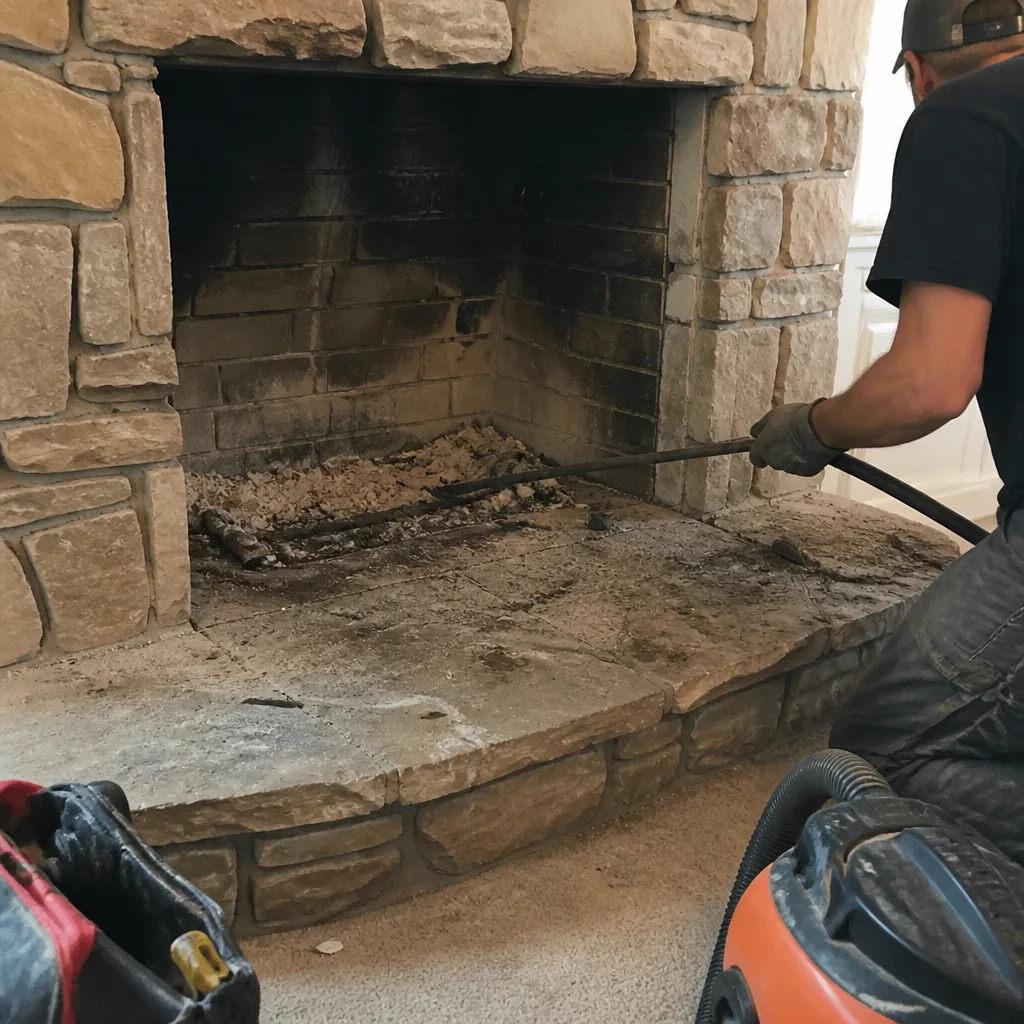
- Cleaning. The flue is cleaned with brushes appropriate for the creosote stage, and the smoke chamber and firebox are cleaned with the correct tools. Debris is bagged and removed.
- Second look. The flue is re-inspected after cleaning to confirm the stage is cleared and to spot defects that were hidden under soot.
- Written report and estimate. Findings, photos, and any recommendations are written up and reviewed with you before the technician leaves.
You should get a chance to ask questions at the end. If the report identifies a liner issue, that’s when we talk about options – restoration with HeatShield or a flexible reline using DuraFlex – and what each one does for your chimney. Brands like Gelco and Olympia Chimney also come into play for components like caps and dampers when replacement is the right answer.
How Often Should a West Jordan Chimney Be Swept?
For most wood-burning fireplaces in regular use, once a year is the practical answer. The deeper rule is a bit different: sweep when a quarter inch of creosote has accumulated in the flue, and have the chimney inspected yearly regardless of usage.
The quarter-inch standard is worth knowing because it gives you a way to think about frequency. A fireplace used a few times a month produces creosote more slowly than one that runs every cold evening through a Utah winter. Burning wet wood accelerates buildup, and burning a fire that smolders instead of burning hot and clean does the same. If your fires have been smoky, the flue may need attention sooner than the calendar suggests.
Gas fireplace chimneys don’t produce creosote the way wood does, but they still need annual attention. Venting can be blocked by debris or nests, and draft can be interrupted by a worn cap or a compromised crown. During the cold season, outside air can push down a flue that isn’t sealed properly, and that’s something a visit can catch.
Location matters too. Chimneys on the windward side of a West Jordan home can collect more debris at the cap. Exposed chimneys lose more heat into cold air, which means colder flue walls and more condensation, which means more creosote forms. That’s a pattern we see in the region, and it’s a reason annual inspections are the right baseline even if your burn habits are light.
If it’s been more than a year since the last inspection, or you don’t know when it was, book a visit before the next burning season starts. It’s easier to plan for a sweep in the off season than to discover a problem on the first cold night.
Common Mistakes to Avoid
- Assuming a flue-only sweep is enough. If the report doesn’t mention the smoke chamber and damper seating, the job may have skipped the parts where fires actually start. Ask before you book.
- Waiting for a problem to show up. Most serious chimney issues start invisible and only appear as interior staining, odors, or draft problems. By the time those show, the repair is larger. Annual inspections exist to catch what isn’t visible yet.
- Burning wet or unseasoned wood. Damp wood produces smoke that cools against the flue and forms creosote faster. Dry, well-seasoned wood keeps you in Stage 1 longer.
- Ignoring the crown. A cracked concrete crown lets water into masonry, and in West Jordan’s freeze-thaw winters, that water becomes the damage. Crown checks and cap installation are among the most cost-effective things you can do for a chimney.
- Accepting a verbal-only assessment. If a technician tells you that you need liner work but can’t show you a photo, the reasonable response is to ask for evidence. A written report with photos is the standard.
- Skipping the inspection on a new-to-you home. Prior owners’ burning habits and repairs are unknown. A Level 2 inspection with a camera is the way to establish a starting point.
- Letting a general handyman take on liner work. Liner restoration and relining need products and methods that come from chimney specialists – HeatShield restoration and DuraFlex relines are examples – not general-purpose patching.
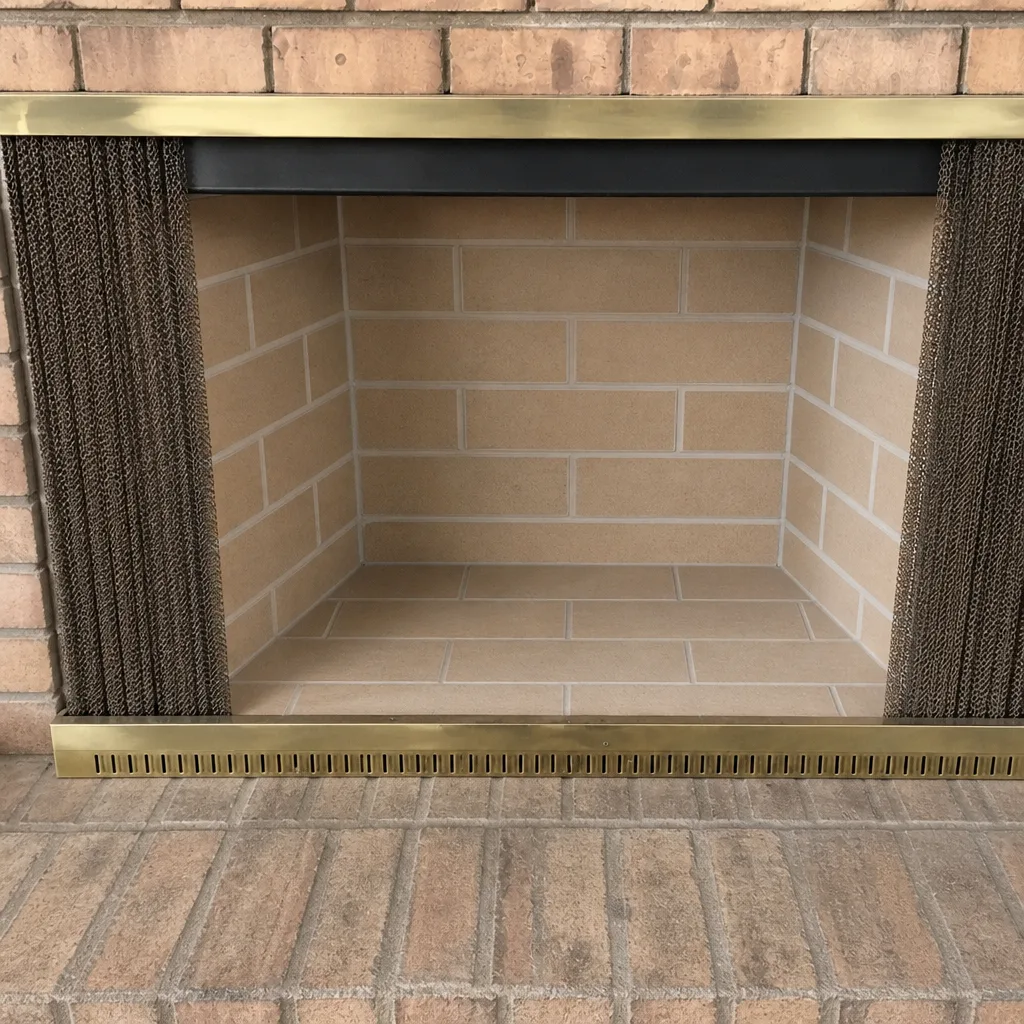
See the difference
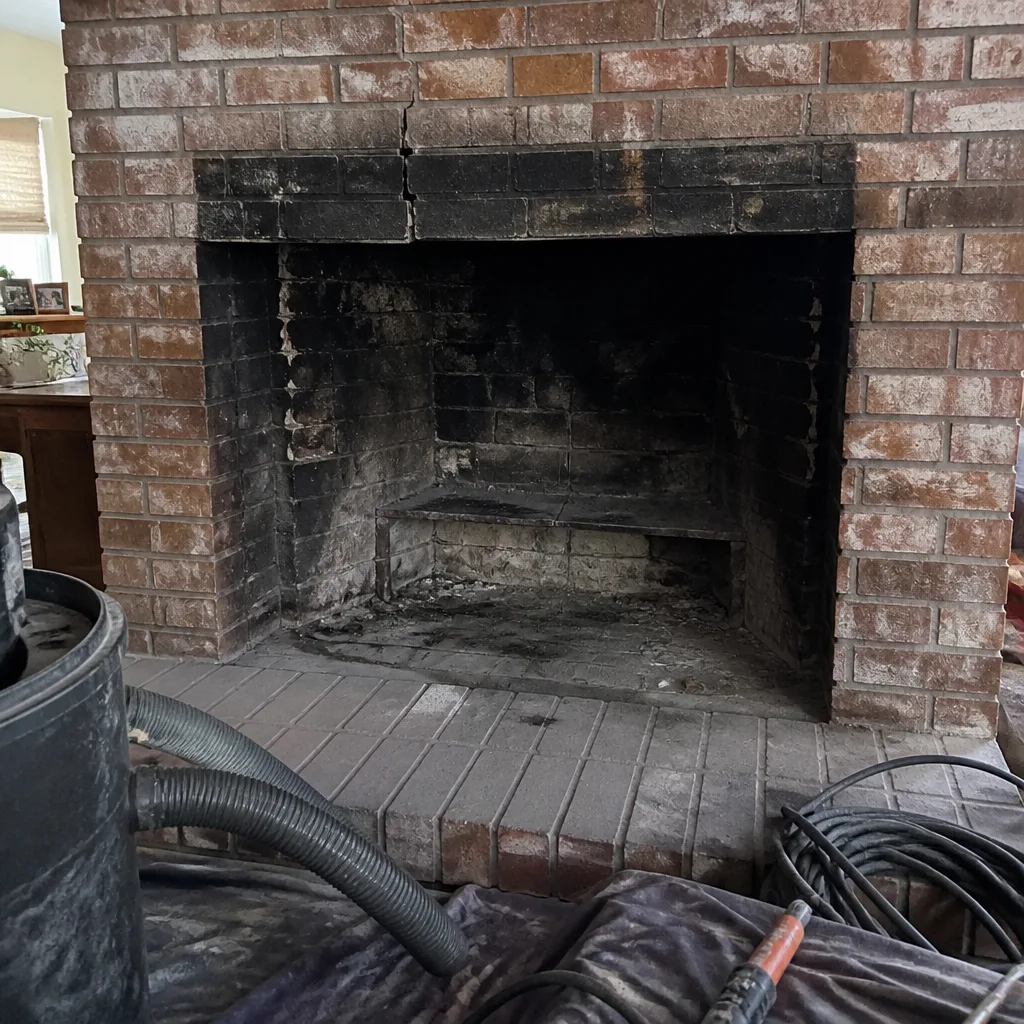 Before
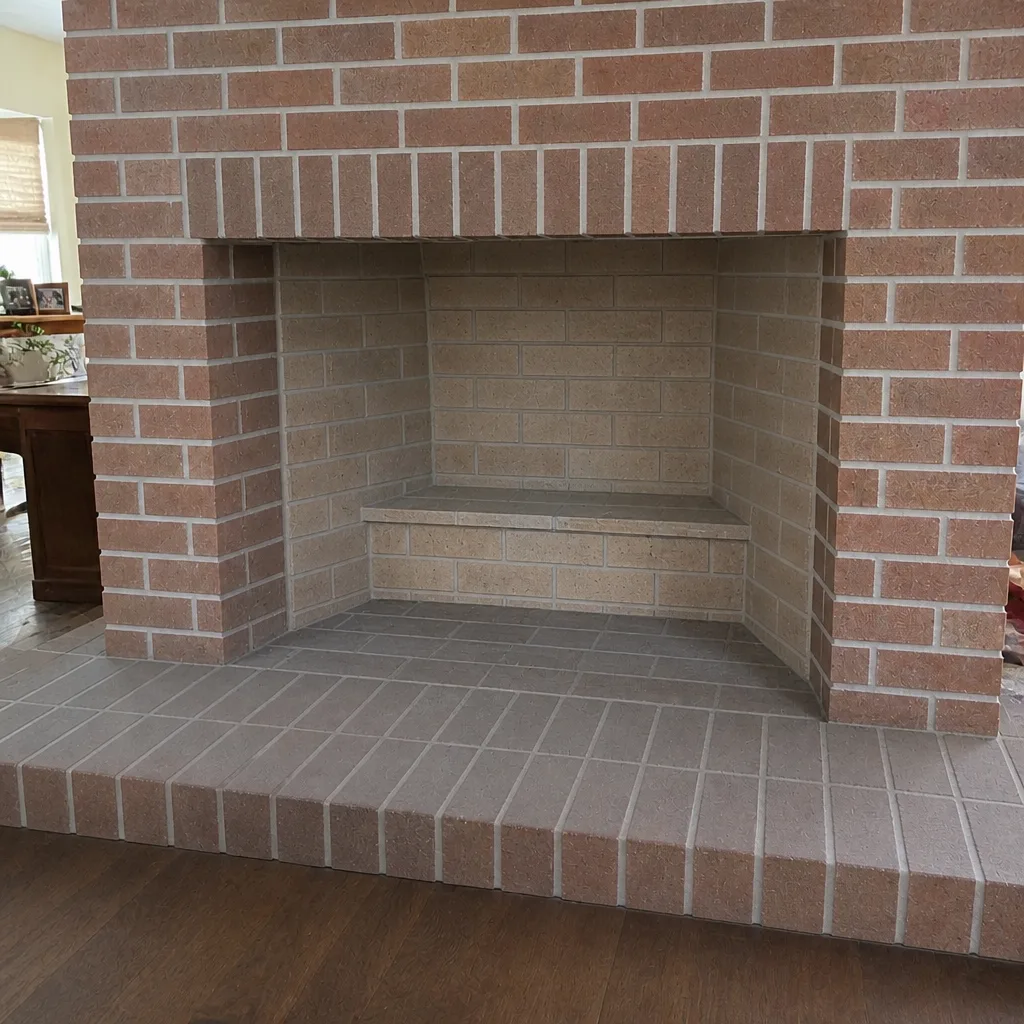 After
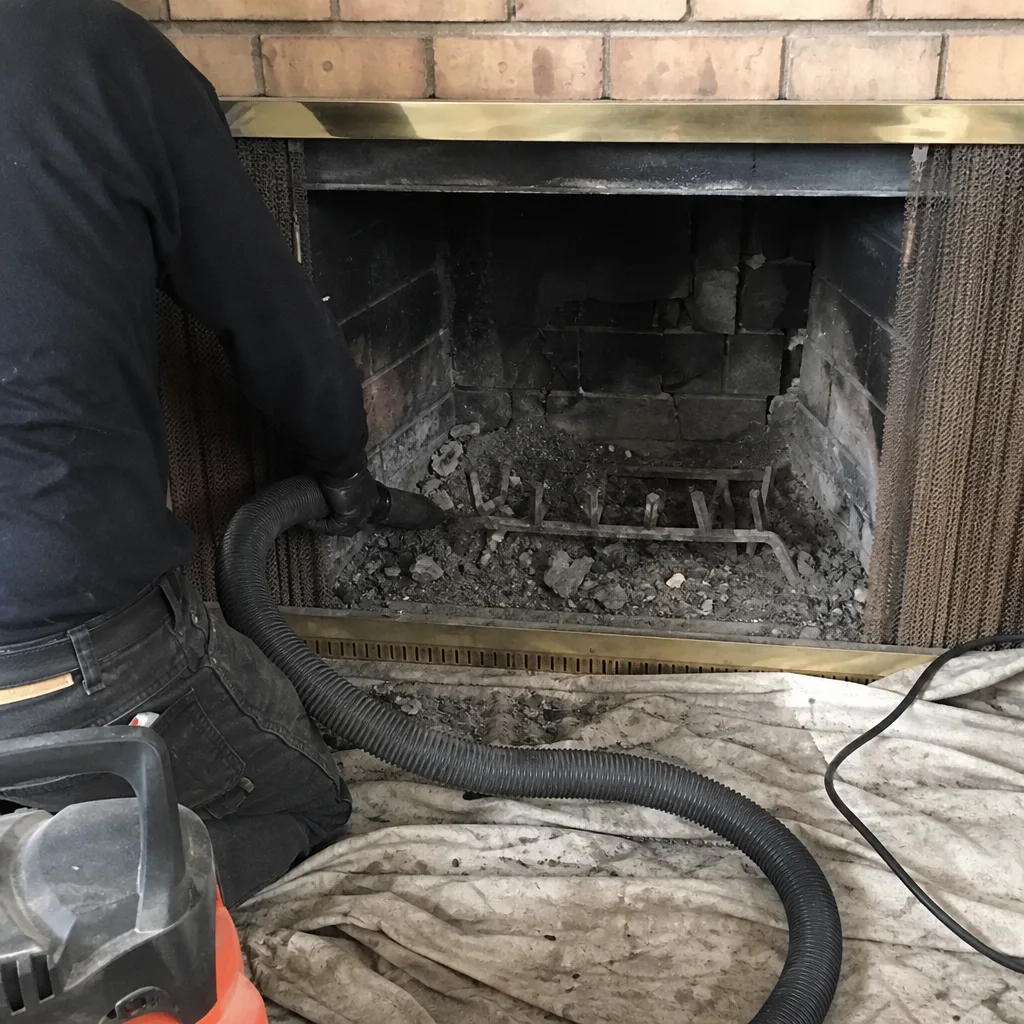 Before
 After
 Before
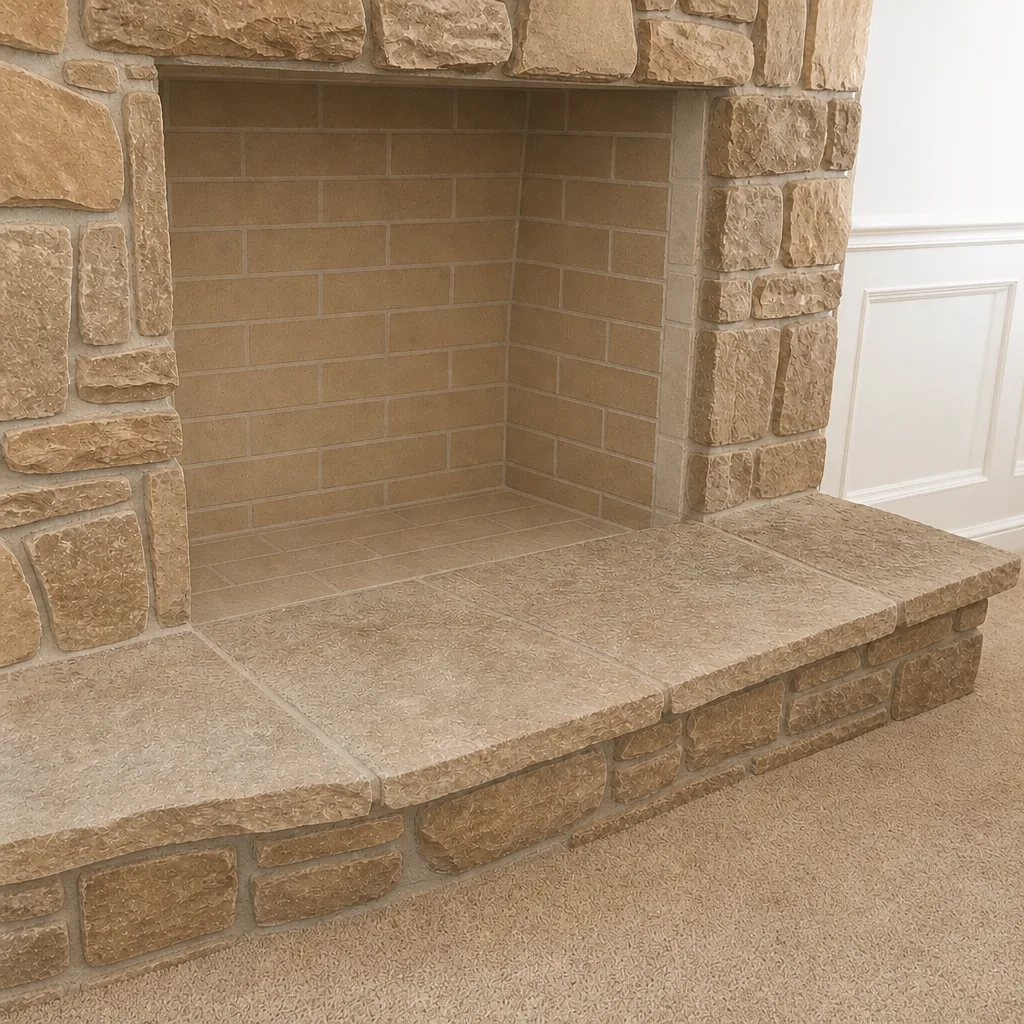 After
When to Call a Professional
Call a professional if it’s been more than a year since your last inspection, if you’ve bought a home and don’t know the chimney’s history, or if you’ve noticed smoke spill into the room, a persistent odor, staining on the chimney exterior or nearby interior walls, or draft that seems weak. Call if a chimney fire has happened, even a small one you think you put out yourself – the heat damage may be hidden behind the liner. Call if the cap is missing or damaged, or if birds or animals have gotten in. If you’ve never had a Level 2 camera inspection, that’s a reasonable starting point.
West Jordan Chimney Sweep Pros offers free estimates in West Jordan – call (866) 937-7304. We answer 24/7. Fast dispatch from 7am to 7pm, Sunday through Friday.
Frequently Asked Questions
Chimney sweeps in West Jordan vary by the level of inspection included and the creosote stage found, so ask for a written estimate before the visit. The price is set per job by the estimate, which is the number to plan around. Call (866) 937-7304 for an exact quote – estimates are free.
A wood-burning chimney in regular use should be swept once a year, or whenever a quarter inch of creosote has built up in the flue, whichever comes first. Annual inspection is the baseline even if you only burn occasionally. Call (866) 937-7304 to book a visit before the next burning season.
You need a new liner when the flue’s interior is cracked, gaps at seams, or deteriorated enough that heat can reach the structure – and you should be shown camera evidence of the defect before any work is agreed to. Restoration with HeatShield or a flexible reline with DuraFlex are common paths, and neither should be recommended without photos. If you’ve been told you need liner work, ask to see the footage. Call (866) 937-7304 and we’ll walk you through what the evidence shows.
Skipping cleaning lets creosote build through Stage 1 and into Stage 2 and 3, which raises the risk of a chimney fire and makes removal harder. It also means defects like a cracked crown or a failing liner seam go unnoticed longer. Neither is a reason to panic, but both are reasons to schedule. Call (866) 937-7304 for a free estimate and a written report.
A Level 2 inspection is worth it whenever you don’t know the chimney’s history – a new home purchase, an appliance change, or any performance change. “Seems fine” is based on what you can see, and the smoke chamber and liner seams aren’t in that view. Call (866) 937-7304 to find out what a camera inspection would turn up.
Cap and crown work is often handled as a follow-up visit once the estimate is agreed, since it’s out of scope for the cleaning itself. The key is that the cleaning report identifies it, with photos, so it’s on record. Call (866) 937-7304 to get an estimate for cap or crown repair.
The Bottom Line
Chimney cleaning in West Jordan works best when it’s treated as a system diagnosis rather than a flue sweep. That means the right inspection level for your situation, creosote staged and removed with the right tools, and attention to the smoke chamber, damper seating, crown, and cap – not just the pipe. It also means a written report with photos, so you can see what the technician saw and decide what to do next. From the firebox to the crown, we handle the whole system using brands professionals trust, including DuraFlex, HeatShield, Gelco, Olympia Chimney, Famco, and Copperfield. Industry-grade materials, not hardware-store substitutes.
If it’s been more than a year since your chimney was looked at, or you’ve just moved into a West Jordan home with an unknown chimney history, schedule a visit. Our technicians have up to 12 years of experience, and we inspect before we recommend, every time. Call (866) 937-7304 for a free estimate. We answer 24/7. Fast dispatch from 7am to 7pm, Sunday through Friday.
For a closer look at our broader services, start with West Jordan Chimney Sweep Pros, review fireplace repair if your firebox or damper needs attention, and check our chimney sweep page for what a visit includes.
Written by the team at West Jordan Chimney Sweep Pros.