
Last updated November 25, 2026
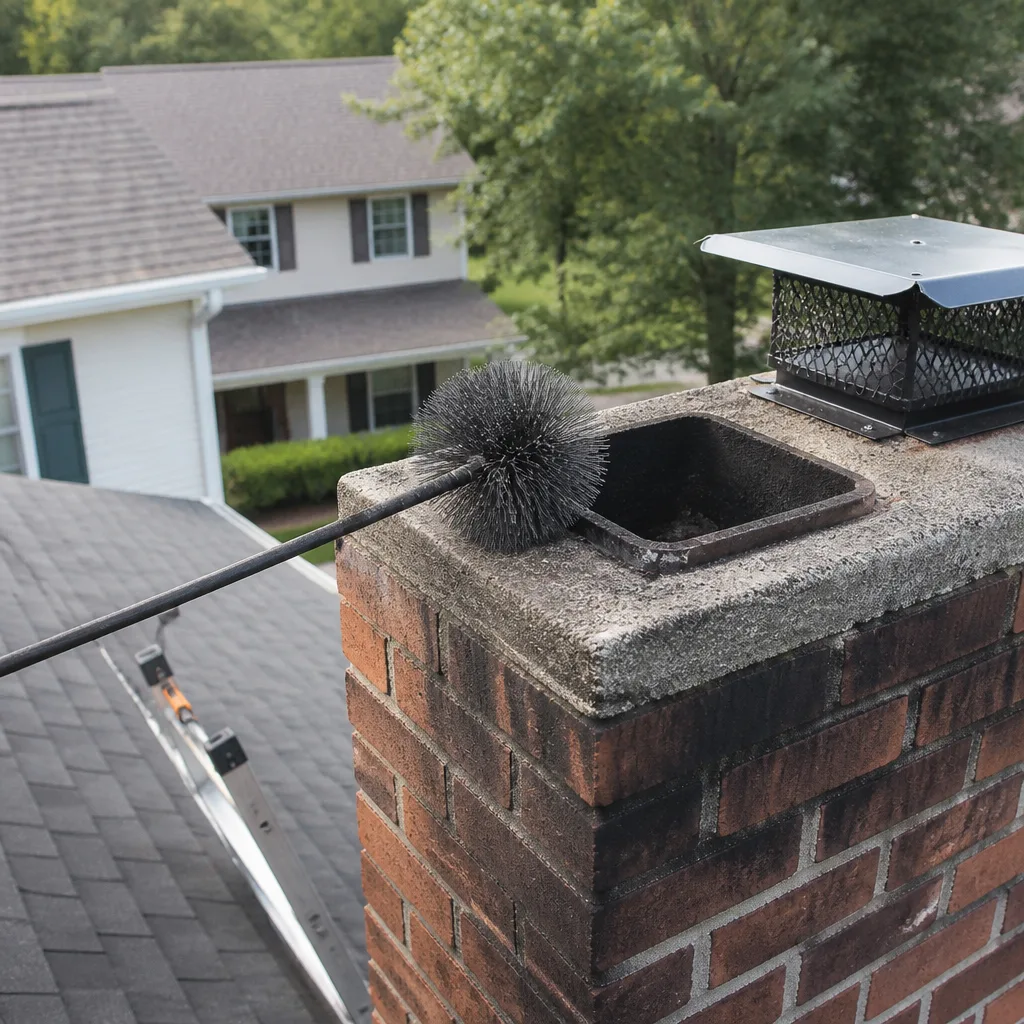 Sweep & inspection
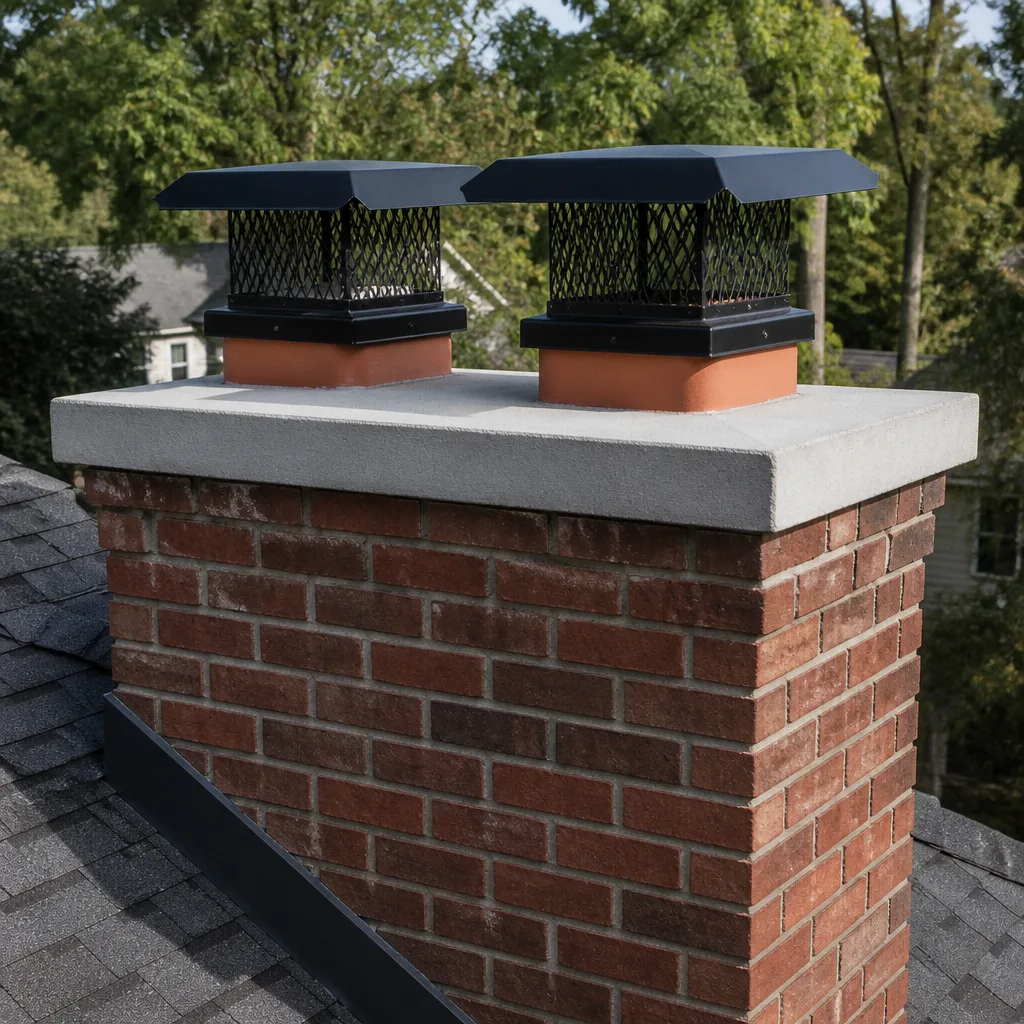 Caps & crowns
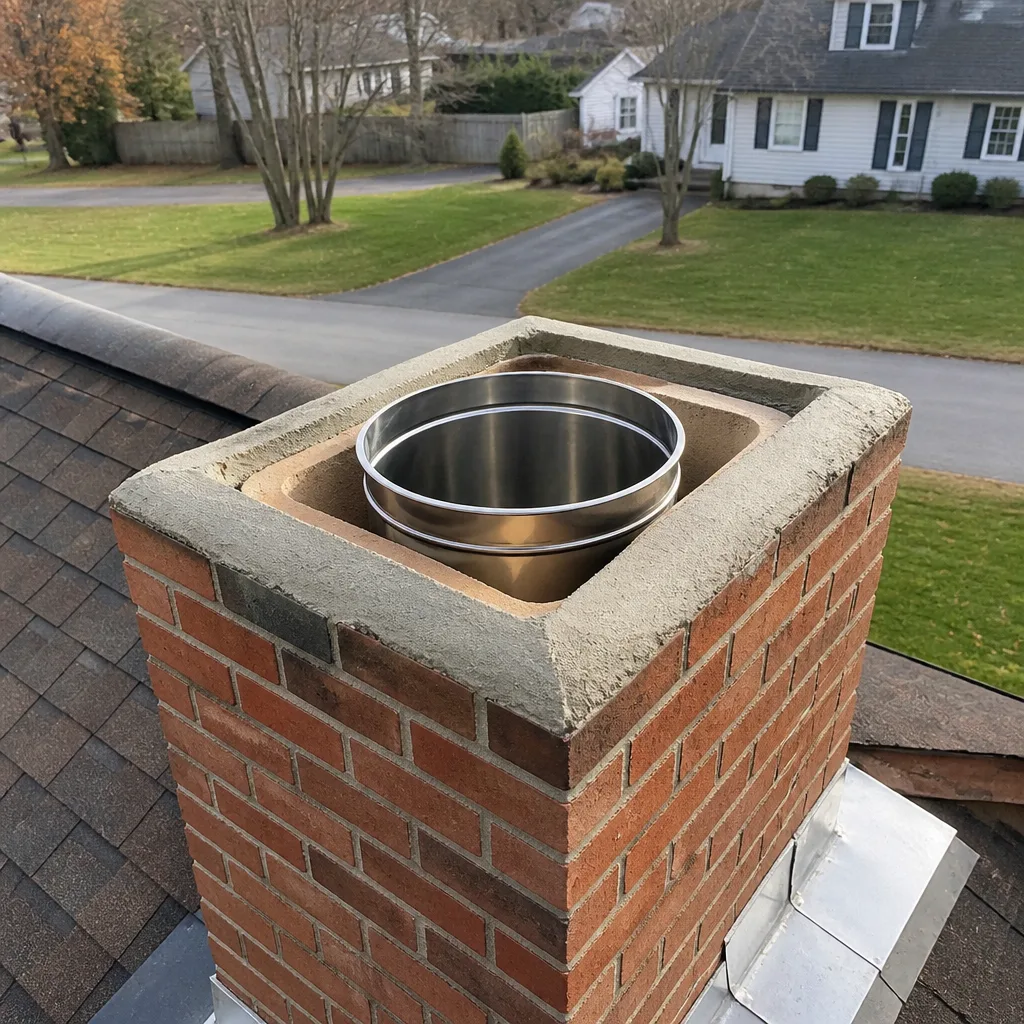 Flue relining
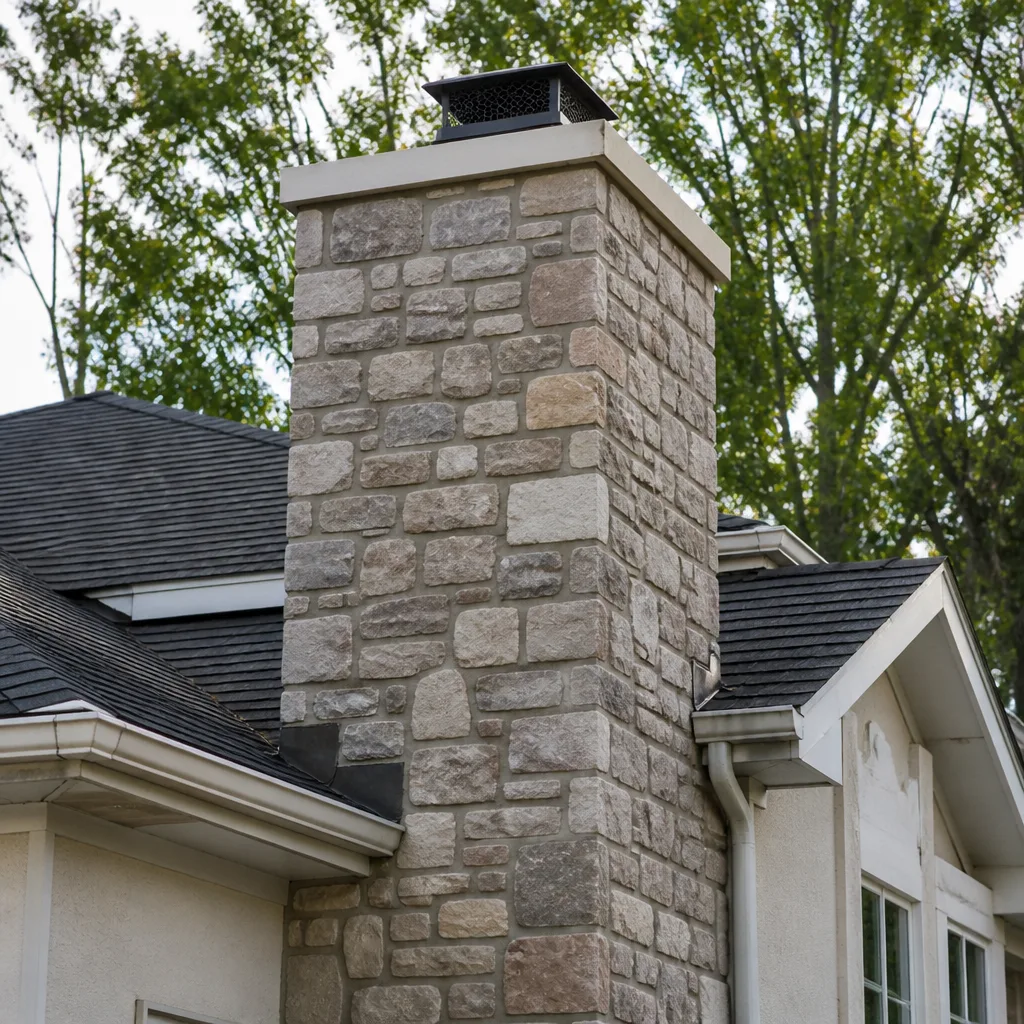 Masonry repair
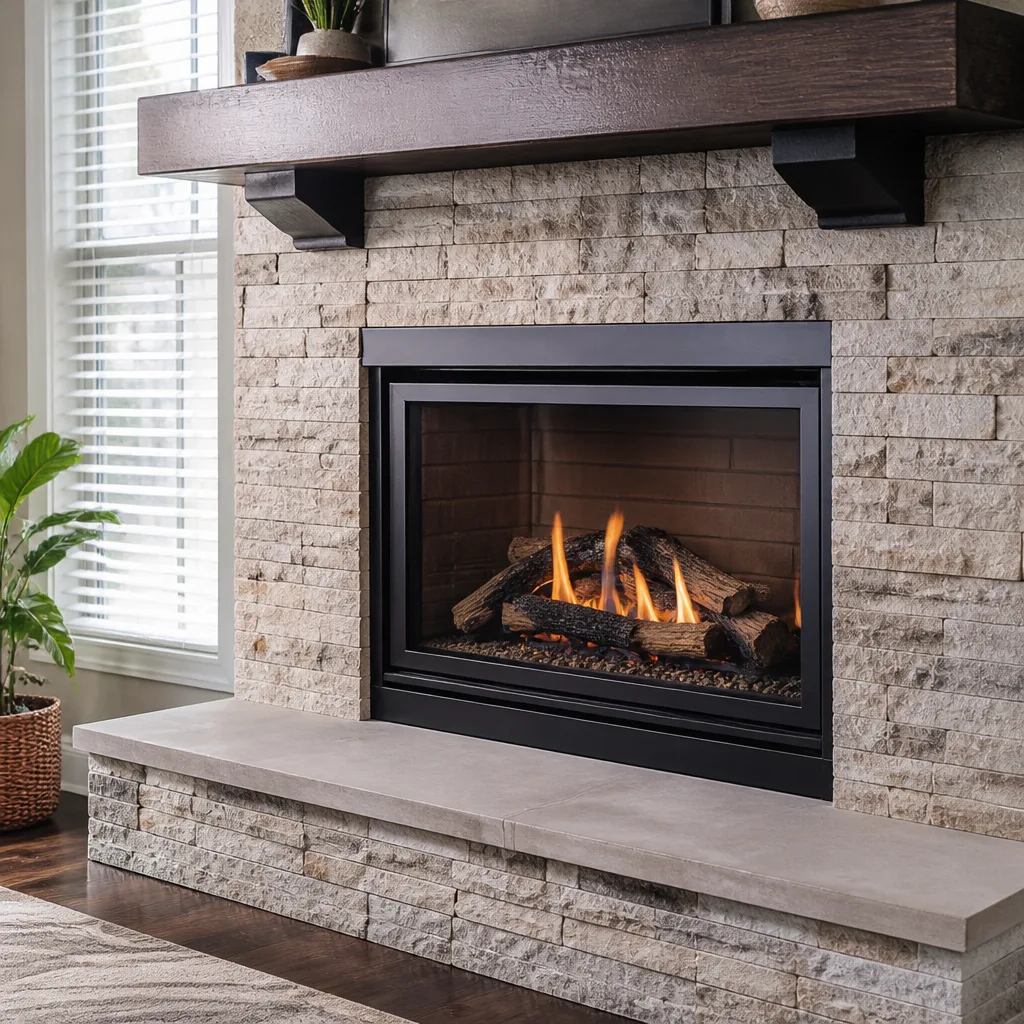 Gas fireplace service
Level 1 sweep and inspection to the NFPA 211 annual standard - flue, crown, cap, and flashing checked and photographed
Chimney sweep logs do not sweep chimneys. They loosen some creosote - which then falls where a brush and vacuum still have to collect it.
Chimney Cleaning Warning Signs: A West Jordan Homeowner’s Reference Guide
A fireplace smell in summer is one of the most googled chimney complaints, and also one of the most underestimated. Homeowners tend to wave it off as warm weather doing something odd to the house. In reality, that smell is often the first sign of a draft reversal problem that will make the system unsafe to use once fall arrives. Most chimney warning signs work the same way: they present as subtle, easy-to-rationalize symptoms long before they become obvious failures. This guide pairs each warning sign with the mechanical cause behind it, so you understand what you’re actually looking at in your West Jordan home.
Quick Answer
The most reliable chimney cleaning warning signs are a smoky odor inside the house, dark staining at the top of the firebox, slow-starting fires, intermittent smoke spillage, and visible creosote buildup in the flue. Any one of these means the chimney should be inspected before you burn again. White staining on exterior brick, a damaged crown, or a missing cap are structural warnings that call for a full inspection of the whole chimney system, not just the flue.
Styles & brands we work with
- Sweep & inspection
- Caps & crowns
- Flue relining
- Masonry repair
- Gas fireplace service
Table of Contents
- Why Most Chimney Warning Signs Get Misread
- Warning Signs You Can See From Inside the Home
- The Three Most Commonly Dismissed Warning Signs in West Jordan
- Warning Signs That Require a Roofline Inspection
- Schedule Soon vs. Stop Using the Fireplace
- A Simple Decision Tree: Symptom to Next Step
- Why West Jordan Chimneys Face Particular Stress
- Common Mistakes, When to Call, and FAQs
Why Most Chimney Warning Signs Get Misread
The problem starts with what homeowners are told to watch for. Most advice points to dramatic signals: a roaring chimney fire, a visible crack, smoke pouring into the room. In our experience, those late-stage problems are the exception. Chimneys usually fail slowly, and the earliest symptoms are quiet enough to explain away.
Consider how a chimney actually works. It’s a pressure system. Warm exhaust gases rise through the flue because the air inside is hotter and lighter than the air outside. Anything that interrupts that temperature differential, or narrows the flue, or lets outside air in where it shouldn’t, changes how the whole system performs. The symptoms you notice in the living room are the system telling you the pressure balance has shifted. The cause is almost always mechanical: a creosote layer narrowing the flue, a cracked liner letting air in at the wrong height, a blocked cap, or a crown that’s letting water into the masonry.
That distinction matters because it changes your response. A smoky fireplace isn’t a “sometimes it does that” quirk. It’s a pressure problem with a physical cause, and that cause gets worse, not better, with use. The same goes for a smell in July, staining on brick in April, or a fire that takes three matches to catch in October. Each one points to a specific part of the system that needs attention before the burning season starts.
This guide is built around that idea: symptom, cause, urgency, next step. It’s written from West Jordan, where the combination of cold winters, dry summers, and a housing stock that ranges from older brick builds to newer construction shapes how chimneys age. If you want the full picture of what a professional sweep involves, our chimney sweep page covers the process step by step. The point here is to help you recognize what your chimney is telling you.
Warning Signs You Can See From Inside the Home
Start with what you can check without a ladder. These interior signs are the ones homeowners can spot themselves, and they cover most of the early warnings. Some are obvious, some you have to know to look for.
Signs that point to a flow or buildup problem
- A smoky odor in the room, especially in warm weather. This usually means the chimney is pulling air down instead of pushing exhaust up, a condition called draft reversal. In summer, the outside air is often warmer than the air inside the flue, so the pressure balance flips.
- Slow-starting fires. If a fire takes a long time to catch or dies down when you close the glass doors, the flue may be restricted by creosote or blocked at the top.
- Intermittent smoke spillage. Smoke that rolls into the room when you light a fire, or puffs out when the wind shifts, signals a pressure problem or a partial blockage.
- A fire that burns unevenly or struggles to stay lit. Oxygen starvation from a restricted flue shows up as a lazy, smoldering fire.
Signs that point to buildup or structural damage
- Dark staining at the top of the firebox or on the smoke chamber. This is a sign of prolonged smoke exposure, often from a flue that isn’t venting properly.
- Visible creosote inside the flue or on the damper. Creosote ranges from a light soot to a glazed, tar-like coating. The glazed stage is the one that fuels chimney fires.
- Rust or corrosion on the damper or firebox components. Moisture is getting in somewhere, and the damper is often where you notice it first.
- Flaking or crumbling mortar inside the firebox. Water or heat damage is working on the masonry joints.
If you can see dark, shiny creosote on the flue walls or the damper, treat that as a hard stop. Glazed creosote is fuel sitting inside your chimney, and the next fire you light is the ignition source. Call for a chimney sweep before you burn again.
The Three Most Commonly Dismissed Warning Signs in West Jordan
Of all the signs homeowners mention when they finally call, three come up again and again, and all three tend to get waved off for months first. Each one is easy to explain away, and each one usually points to something real.
1. White staining on exterior brick
That chalky white residue on the outside of a brick chimney is called efflorescence, and it’s one of the clearest signs of water intrusion. Homeowners often assume it’s cosmetic or a normal part of aging brick. It isn’t. Efflorescence happens when water moves through the masonry and carries dissolved salts to the surface, where they dry into a white deposit.
The cause is almost always up top: a cracked crown, failed flashing, or a missing or damaged cap letting rain into the chimney structure. Once water is inside the masonry, it can freeze and thaw through West Jordan winters, which loosens brick and mortar over time. If you see white staining, the question isn’t whether to schedule service, it’s how soon. Our chimney repair page explains the crown and cap fixes that address this at the source. And yes, this is exactly the kind of expensive interior damage most homeowners don’t discover until it’s already happened.
2. Slow-starting fires
A fire that takes a while to catch gets blamed on wet wood, cold weather, or the wrong kindling. Any of those can slow a fire down, so the excuse feels reasonable. But if your fires consistently start slowly even with dry, well-seasoned wood, the flue is telling you something. A restricted flue from creosote buildup, or a partially blocked cap, starves the fire of the oxygen and draft it needs to burn cleanly.
The catch is that a slow-starting fire burns dirtier, and a dirtier fire adds more creosote, which further narrows the flue. It’s a cycle that accelerates. If you’ve been blaming your fire-starting technique for a season or two, get the flue checked instead.
3. Intermittent smoke spillage
Smoke that only sometimes rolls into the room gets dismissed because it doesn’t happen every time. This one is a pressure problem, and pressure problems are often intermittent by nature. Draft can fail when the wind hits the wrong side of the house, when another exhaust fan is running, or when the temperature difference between inside and outside is minimal.
Intermittent spillage doesn’t mean “mostly fine.” It means there’s a condition under which your chimney vents into your living space, and that condition may worsen as the flue continues to accumulate buildup. Real carbon monoxide risk lives here, which is why we don’t treat intermittent spillage as a watch-and-wait symptom. A camera inspection will show whether there’s a blockage, a liner problem, or a pressure issue to fix.
Warning Signs That Require a Roofline Inspection
Plenty of serious chimney problems are invisible from inside the house. They show up on the roof, where the top of the system lives. This is one reason a proper inspection isn’t just a look through the firebox. The roofline is where water intrusion begins, and water is the leading cause of long-term structural damage to a chimney.
Our technicians have up to 12 years of experience, and the patterns we see on West Jordan rooflines are consistent. These are the signs that call for an up-top inspection:
- A cracked or crumbling crown. The crown is the concrete cap at the very top of the chimney. Once it cracks, water gets into the masonry below it.
- A missing or damaged chimney cap. A cap keeps rain, birds, and debris out of the flue. A missing cap lets all three in.
- Cracked or spalling brick and mortar on the chimney stack. Water damage and freeze-thaw cycles break down exterior masonry.
- Failed or rusty flashing at the roofline. Flashing is where the chimney meets the roof, and a leak there sends water straight into the attic and ceiling.
- Loose, tilted, or leaking cap. A cap that doesn’t sit flush lets water run down the flue, not just around it.
Notice that three of the five are about moisture. That’s on purpose. Water intrusion is the most common cause of structural chimney failure, and in West Jordan’s dry climate the pattern is specific: brick and mortar dry out through the summer, then water gets in through a cracked crown, and the first hard freeze breaks the masonry apart. You rarely see it from inside. A roofline inspection catches it while it’s still a repair, not a rebuild.
Schedule Soon vs. Stop Using the Fireplace
Not every warning sign means the same thing. Some tell you to book service in the next few weeks, before the burning season. Others mean the chimney isn’t safe to use, full stop, and you need to stop lighting fires until it’s resolved. Knowing the difference helps you act with the right urgency.
Stop using the fireplace until resolved
- Visible glazed or shiny creosote inside the flue. That’s the ignition source for a chimney fire.
- Intermittent smoke spillage. It means the system can vent combustion gases into your home.
- A crack, gap, or damaged liner. A breached liner lets heat and gases reach the surrounding structure and can let carbon monoxide into the house. Our chimney repair page covers what that fix involves.
- Unexplained flue damage or a loosened cap after a storm. Impact damage can compromise the whole system.
- A chimney fire you think you had. Even a small one damages the liner. Have it inspected before the next fire.
Schedule service soon
- Slow-starting or sluggish fires. Usually buildup or a partial blockage. Not an emergency, but it won’t improve.
- A smoky odor in the room. A draft reversal problem. Get it checked before the season turns.
- White staining on brick. A water intrusion warning. Catch it before the first freeze.
- Dark staining around the firebox. Suggests a buildup or venting issue that needs a sweep.
- Rust on the damper. Moisture is present. Worth inspecting before it damages more.
If you’re honestly not sure which category your chimney falls into, that’s a good reason to call. We inspect before we recommend, every time. Nothing gets flagged as urgent unless we have camera evidence you can see for yourself.
A Simple Decision Tree: Symptom to Next Step
Here’s a practical way to work through what you’re seeing. Find your symptom, match the likely cause and urgency, and take the next step. This is a guide to your next action, not a substitute for a hands-on inspection.
- Smell a smoky odor inside the house? Likely cause: draft reversal from a pressure or venting problem. Urgency: schedule soon, especially before fall. Next step: book an inspection with a camera to check the flue and cap.
- Fires start slowly even with dry wood? Likely cause: creosote buildup or a partially blocked cap restricting draft. Urgency: schedule soon. Next step: a sweep and inspection.
- Smoke spills into the room intermittently? Likely cause: pressure imbalance or a partial blockage. Urgency: stop using the fireplace. Next step: call for inspection before the next fire.
- See white staining on the chimney’s exterior? Likely cause: water intrusion through a cracked crown or failed flashing. Urgency: schedule soon. Next step: a roofline inspection of the crown, cap, and flashing.
- Notice dark staining at the top of the firebox? Likely cause: prolonged smoke exposure from poor venting. Urgency: schedule soon. Next step: a sweep and inspection.
- Spot glazed or shiny creosote in the flue? Likely cause: heavy creosote accumulation. Urgency: stop using the fireplace. Next step: a professional sweep before any further burning.
- See cracks, gaps, or damage on the liner? Likely cause: heat or moisture damage. Urgency: stop using the fireplace. Next step: inspection and a liner assessment. A flexible liner system can often restore the flue without full demolition.
- Have a cracked crown, missing cap, or rusted flashing? Likely cause: weather and age. Urgency: schedule soon. Next step: a roofline inspection and a repair plan.
- Notice rust on the damper or firebox components? Likely cause: moisture getting in somewhere above. Urgency: schedule soon. Next step: inspection of the top of the chimney.
When you call, we’ll ask which of these you’re seeing. That helps us plan the right visit, but the inspection always decides the recommendation. If you’ve been putting off a check because you’re worried someone will tell you the whole chimney needs rebuilding, this is where we part ways with the hard sell. We won’t recommend work without camera evidence, and we’ll tell you plainly when something can safely wait.
Why West Jordan Chimneys Face Particular Stress
Chimney problems follow local conditions, and West Jordan’s conditions are hard on a chimney in specific ways. Understanding them helps you see why a warning sign that seems minor is worth a call.
Start with the seasonal swing. West Jordan runs hot, dry summers and cold winters, which means the chimney expands and contracts with the temperature. Masonry doesn’t flex much, so those swings work on the joints. Dry summers also make the creosote from last winter brittle and flaky, so it can break loose and lodge in the flue, narrowing it without any obvious sign from inside the house.
Then there’s water. A long dry season trains homeowners to stop thinking about moisture. Then the first fall rain hits a crown that cracked over the summer, water soaks into the brick, and the first hard freeze splits it. That’s the exact sequence behind the white staining so many West Jordan homeowners dismiss. It also explains why a cap and crown in good condition matter so much here. Those two components take the brunt of the weather at the top of the system, and when they fail, everything below them ages faster.
Housing stock adds another layer. Parts of West Jordan are older brick construction, and older chimneys often have clay tile liners that develop cracks as they age. Newer builds may have different liner materials but can still suffer from poor draft if the flue is the wrong size for the appliance. Add a range of fireplace types, wood-burning and gas, and the conditions differ from house to house. The one common thread is that a chimney wants to be inspected on a schedule, not just when something looks wrong. If you haven’t had one in a few years, start there.
And if your fireplace itself is showing problems (a damaged firebox, a malfunctioning damper, or gas components that won’t stay lit), that’s a related but separate issue. Our fireplace repair page covers it, and it’s part of the same full-system approach we take in West Jordan.
Common Mistakes to Avoid
- Assuming a smoky smell is “just the weather.” A summer chimney odor is one of the earliest draft reversal signals. Treating it as normal means you find out in fall that the system couldn’t vent.
- Blaming slow fires on wet wood indefinitely. Test with dry, seasoned wood once. If fires still start slowly, the flue is telling you it’s restricted, and no kindling change will fix that.
- Ignoring white staining as cosmetic. Efflorescence on West Jordan chimneys is a water intrusion warning. The longer it goes unaddressed, the more freeze-thaw cycles work on the damaged masonry.
- Burning again after a suspected chimney fire “to see how it does.” Even a small fire can breach a liner. The next fire could push heat and gases into the structure.
- Using a general handyman for a liner problem. Liner work calls for a product like HeatShield restoration or DuraFlex flexible liner systems, applied by someone who works with them regularly. A hardware-store patch won’t hold up.
- Skipping the roofline during a check. The crown and cap are where water gets in. An inspection that never goes up top misses the most expensive failure point.
- Waiting for an annual reminder. Chimneys don’t send one. If you’ve owned the home for a few years and never had a sweep, put it on the schedule before burning season, not on the first cold night.
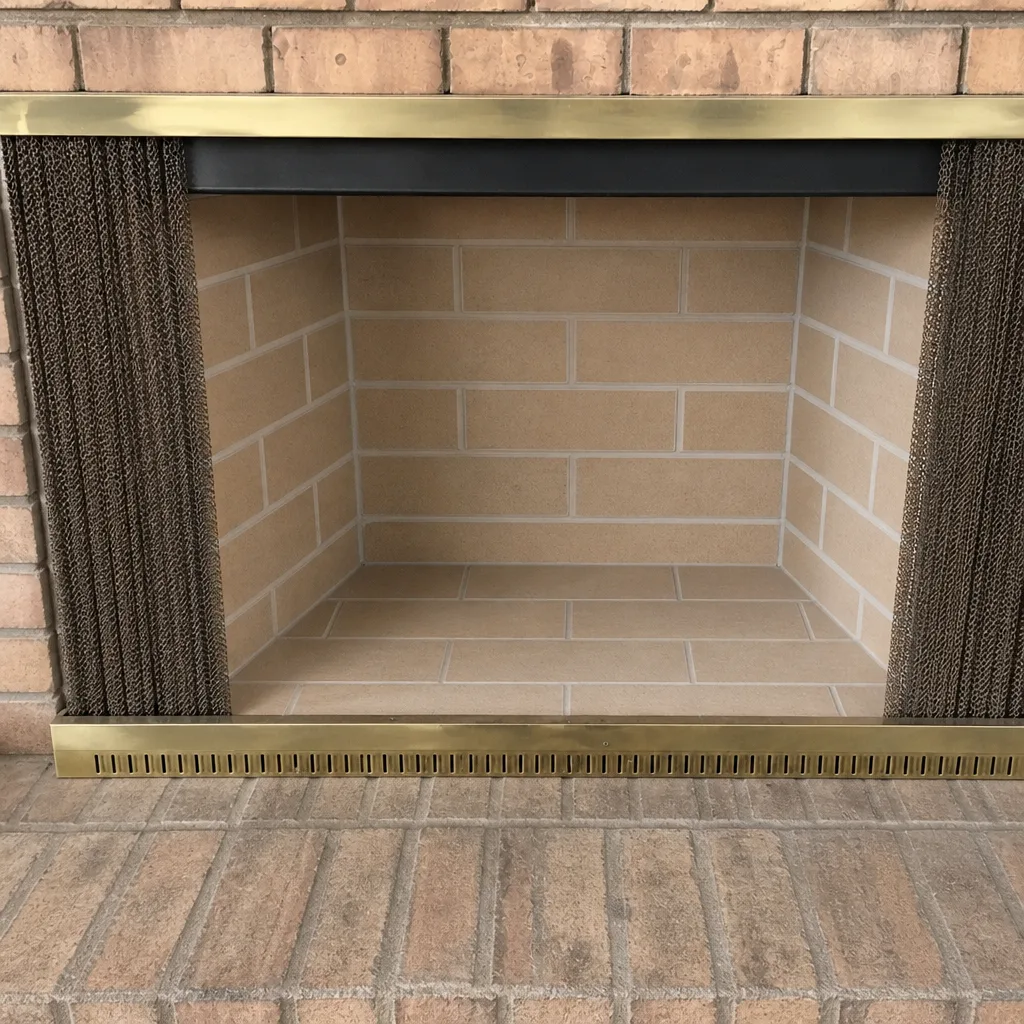
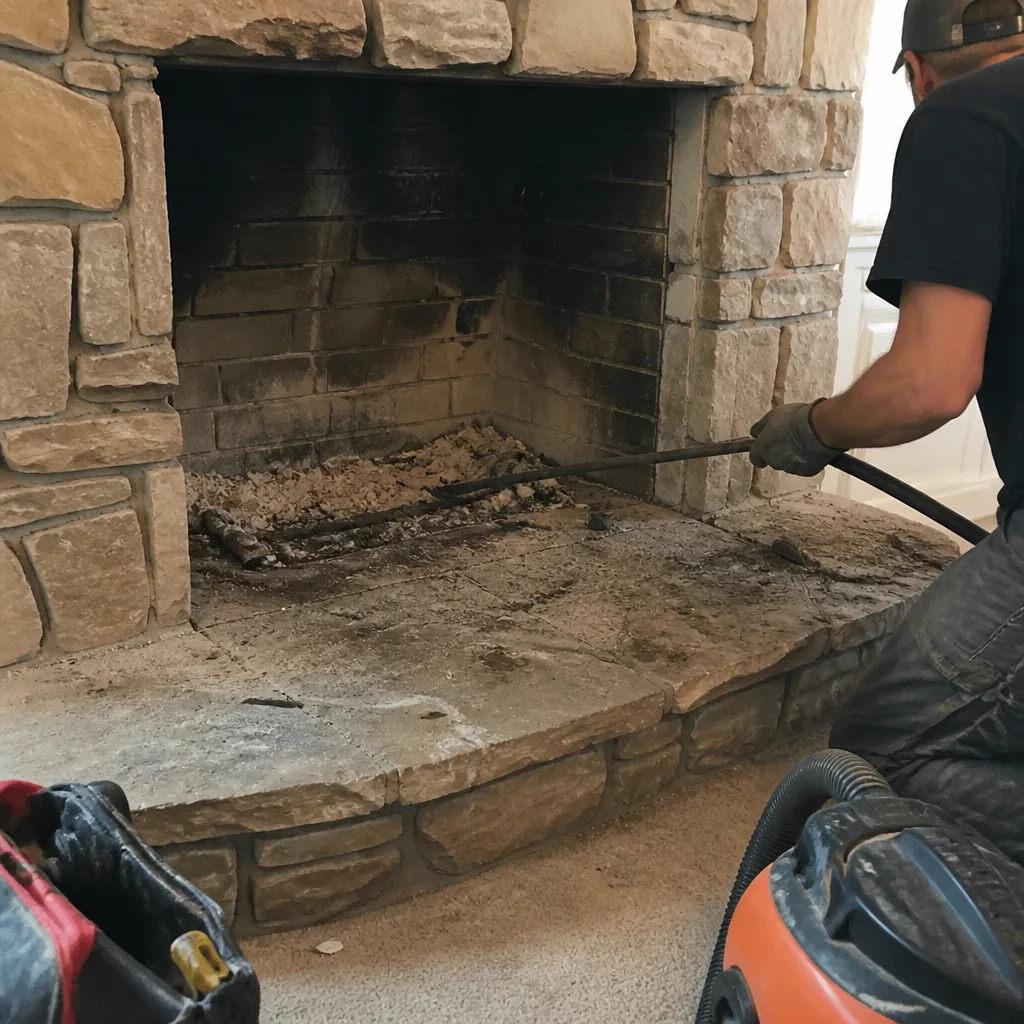
See the difference
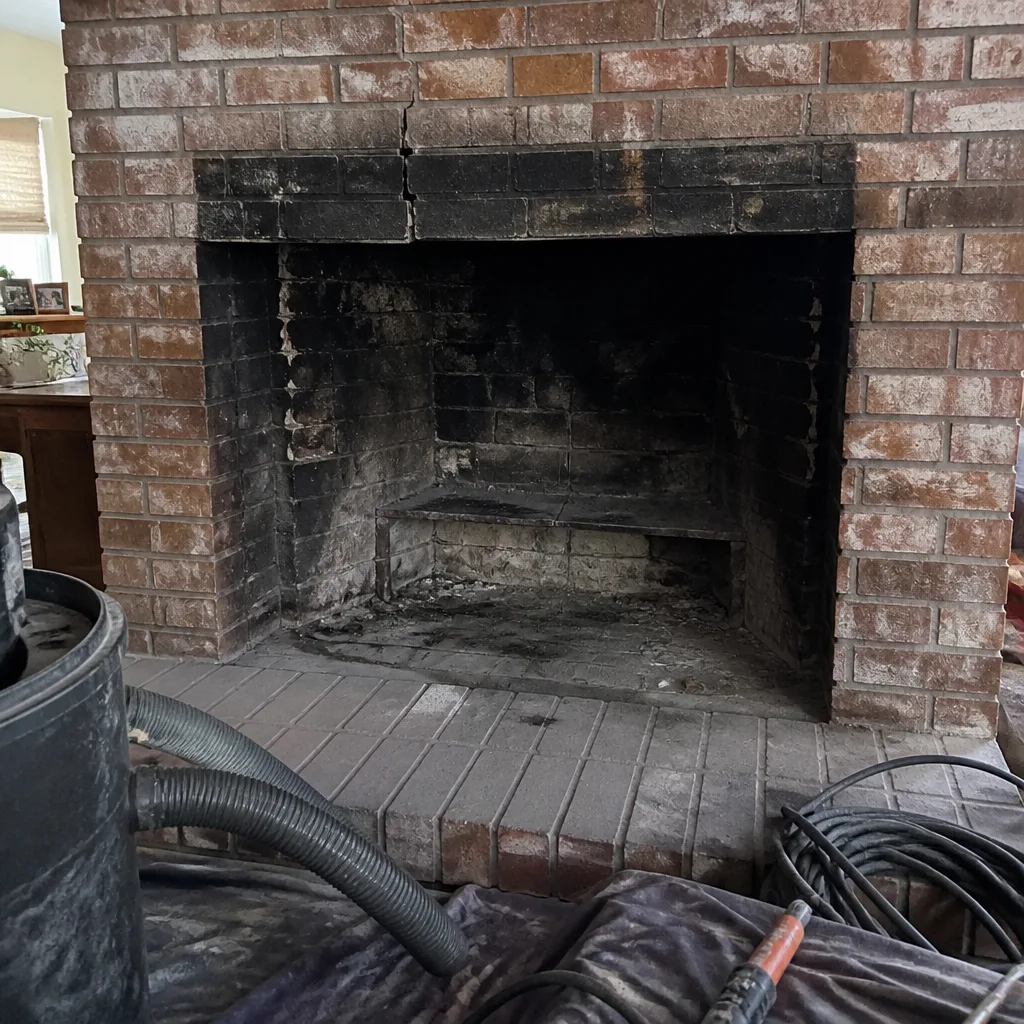 Before
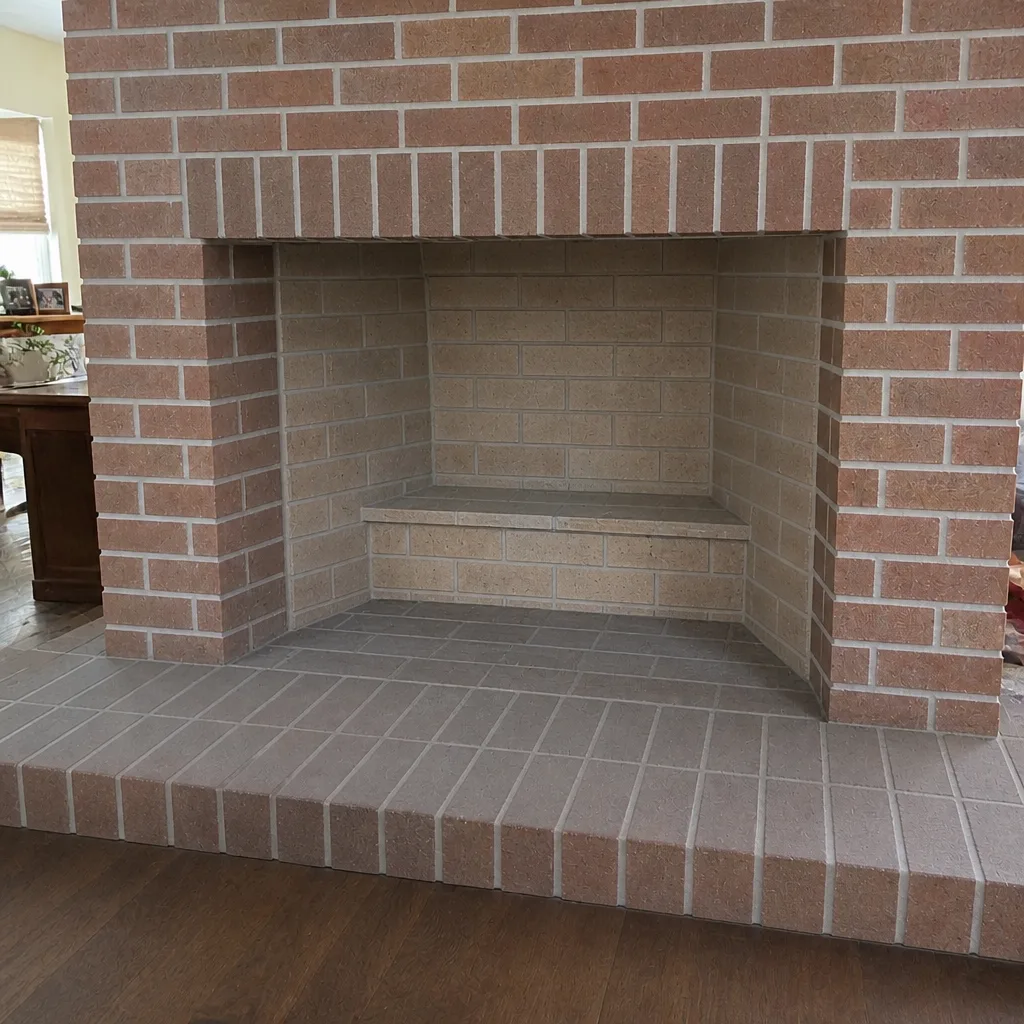 After
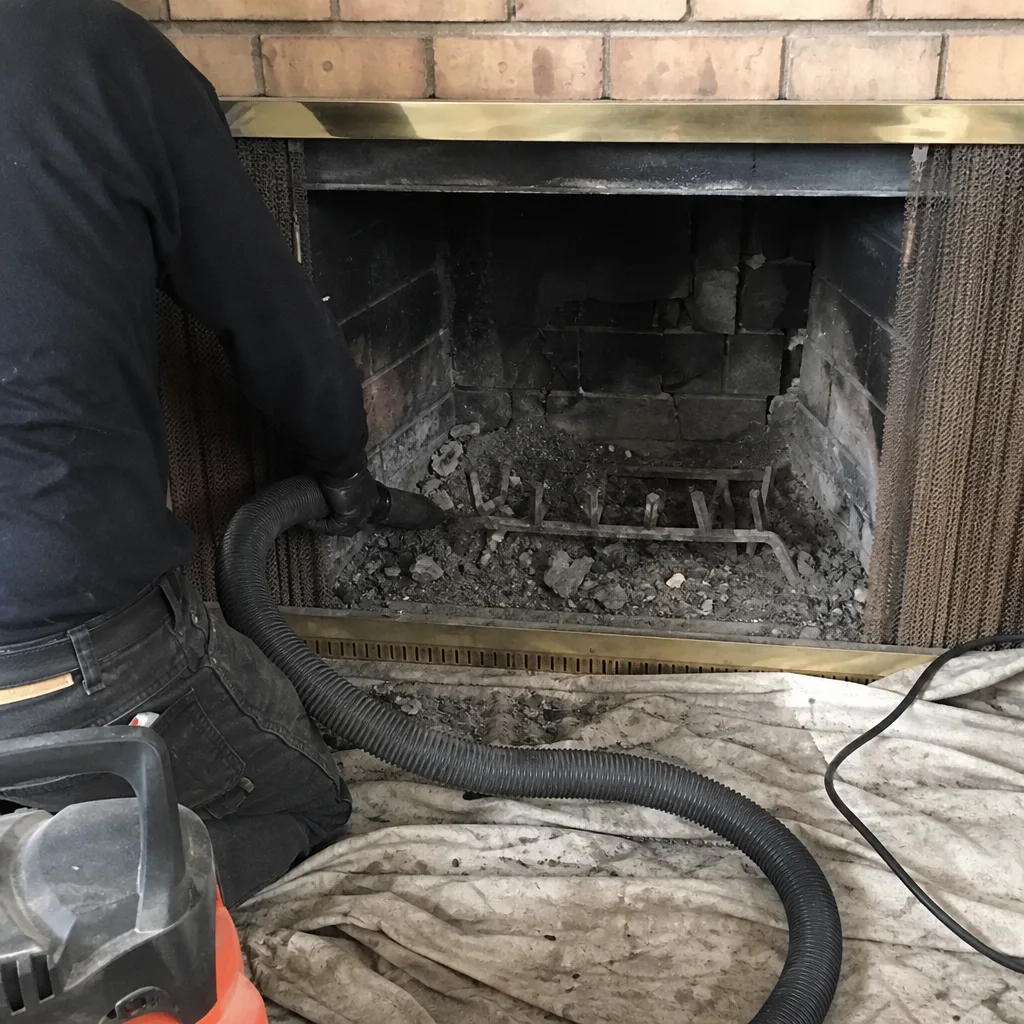 Before
 After
 Before
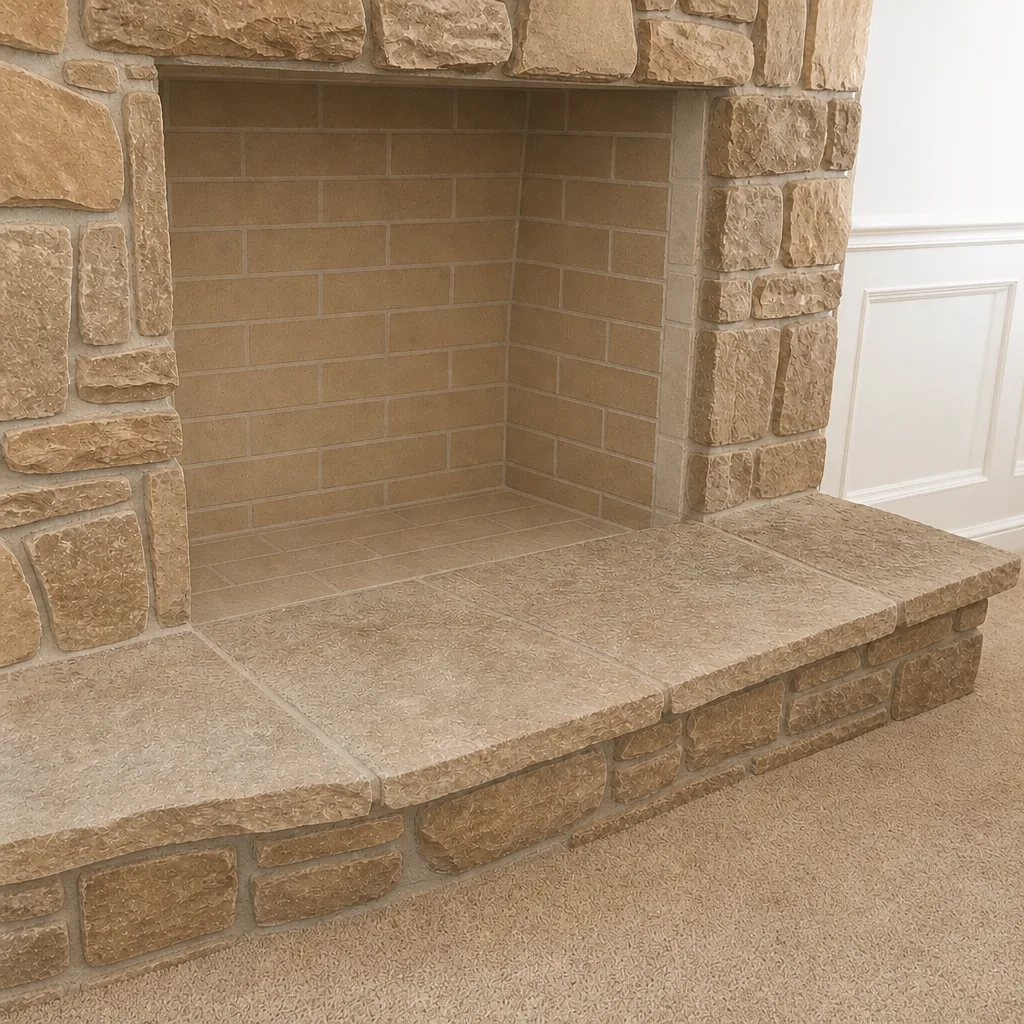 After
When to Call a Professional
Call a professional when you’re seeing any of the red-flag signs from the decision tree above, especially glazed creosote, liner damage, or intermittent smoke spillage. Those mean stop burning and get an inspection before the next fire.
Call us before the burning season if you’ve moved into a West Jordan home and don’t know the chimney’s history, if it’s been several years since the last inspection, or if you’ve noticed any subtle symptom from the earlier sections. A camera inspection and photo report are part of the process, and you’ll see exactly what we see.
If you’re worried the inspection will turn into a high-pressure pitch, know this: we inspect before we recommend, and nothing gets proposed without camera evidence. West Jordan Chimney Sweep Pros offers free estimates in West Jordan. Call (866) 937-7304. We answer 24/7. Fast dispatch from 7am to 7pm, Sunday through Friday.
If you’re not sure whether to call, our West Jordan Chimney Sweep Pros team can talk through what you’re seeing and help you decide. We also work with professional-grade products like Famco caps and Copperfield crowns, so from the firebox to the crown, one company can handle the whole chimney. That matters when symptoms cross categories. A draft problem can turn out to be a crown problem, and you don’t want to be caught between two contractors trying to figure out who’s responsible.
Frequently Asked Questions
The earliest reliable signs are a smoky odor inside the house, slow-starting fires, and dark staining at the top of the firebox. Any of these means the flue is likely restricted or not venting properly, so schedule a sweep before the next burning season. Call (866) 937-7304 for an exact quote. Estimates are free.
A reasonable rule of thumb is once a year or after a season of regular burning, whichever comes first. Chimneys that see heavy use may need it more often. If you’ve moved into a West Jordan home and don’t know when the last sweep was, book one and start fresh. Call (866) 937-7304 to get on the schedule.
White staining is efflorescence, and it means water is moving through the masonry. It’s worth a roofline inspection to check the crown, cap, and flashing, because water is the leading cause of long-term structural damage. Catch it before West Jordan’s first freeze and it’s usually a repair, not a rebuild.
Creosote continues to build up, and heavy glazed creosote brings real chimney fire risk. A restricted or damaged flue also raises carbon monoxide exposure risk. Both are the kind of problem that gets worse with use, not better. Call (866) 937-7304 so we can inspect and tell you exactly where things stand.
Yes, because the most expensive chimney problems (cracked crowns, damaged flashing, missing caps) are usually invisible from inside. Water intrusion starts at the top, and by the time you see the stain inside, the damage is already underway. A roofline inspection is part of a complete check.
Some homeowners handle a light sweep themselves, but the dangerous parts of the job are best left to a trained professional. Roofline work, liner inspection, and safely removing glazed creosote all carry real risk, and a self-check misses conditions a camera will catch. If your inspection is overdue, call (866) 937-7304 and let a pro take a look.
The Bottom Line
Most chimney failures announce themselves early and quietly, long before anything dramatic happens. A smoky odor, a slow-starting fire, occasional spillage, and white staining on brick are the system’s earliest warnings. Each one points to a mechanical cause (buildup, pressure, or water) that gets worse with use. The key move is knowing which signs mean “schedule service soon” and which mean “stop burning now.” When in doubt, an inspection with a camera will tell you what’s actually going on, and we’ll show you the evidence before recommending anything. Book a check before the burning season starts, not on the first cold night of the year.
Call West Jordan Chimney Sweep Pros at (866) 937-7304 for a free estimate on chimney sweeping and inspection in West Jordan. We answer 24/7. Fast dispatch from 7am to 7pm, Sunday through Friday.
Written by the team at West Jordan Chimney Sweep Pros.