
Last updated November 25, 2026
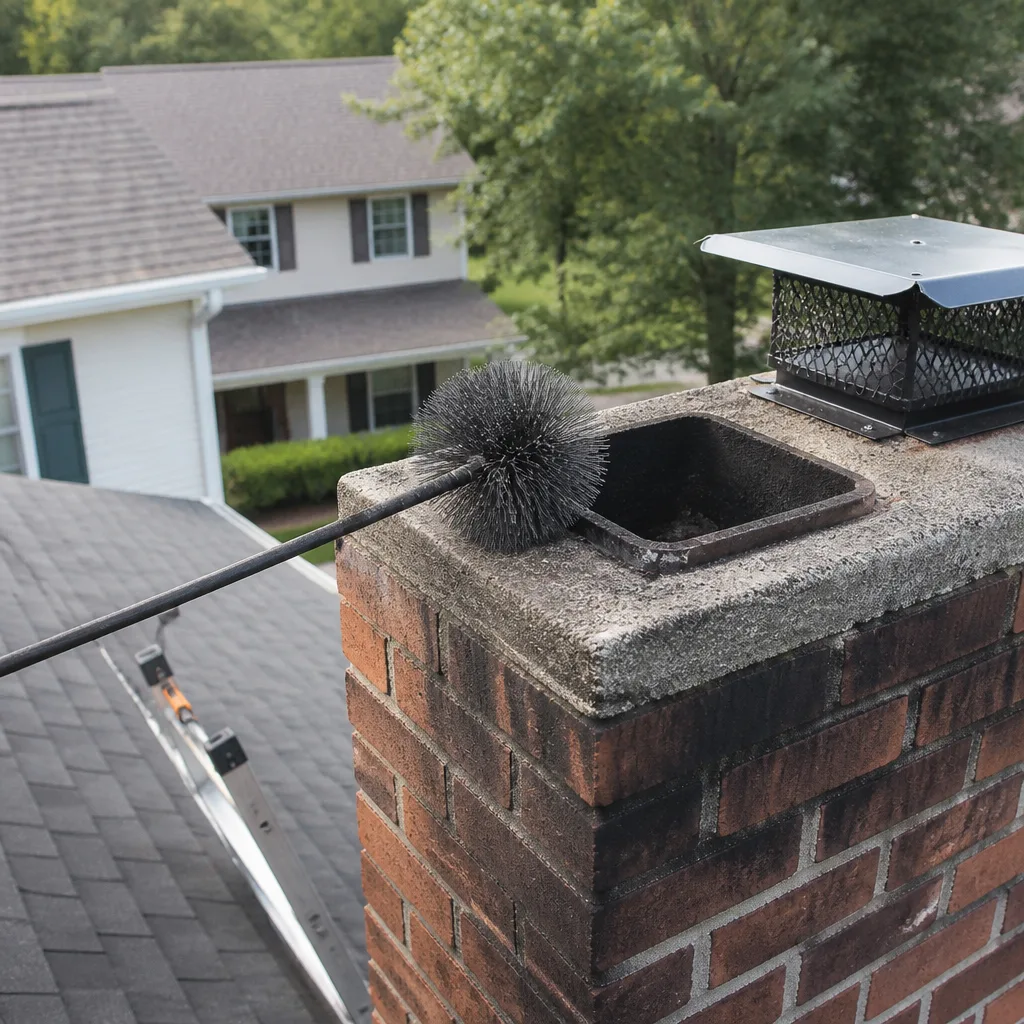 Sweep & inspection
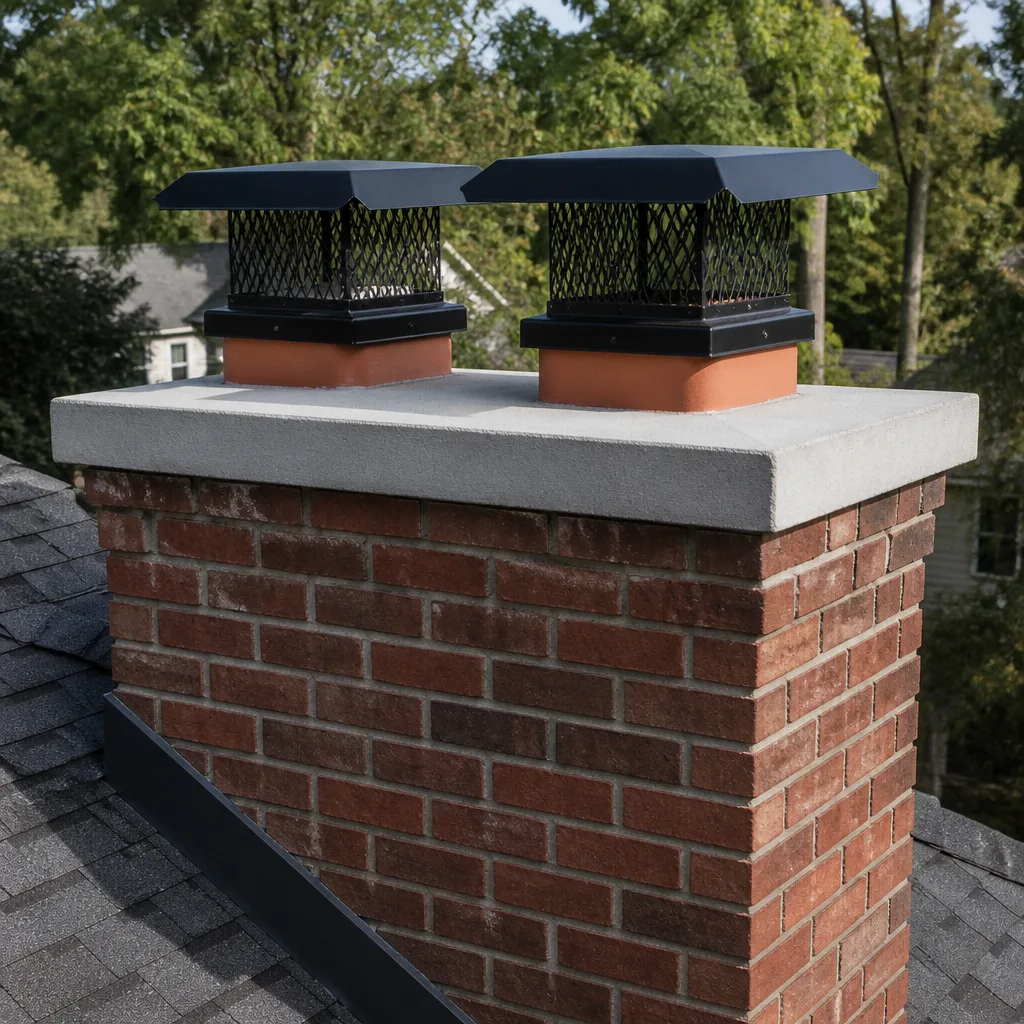 Caps & crowns
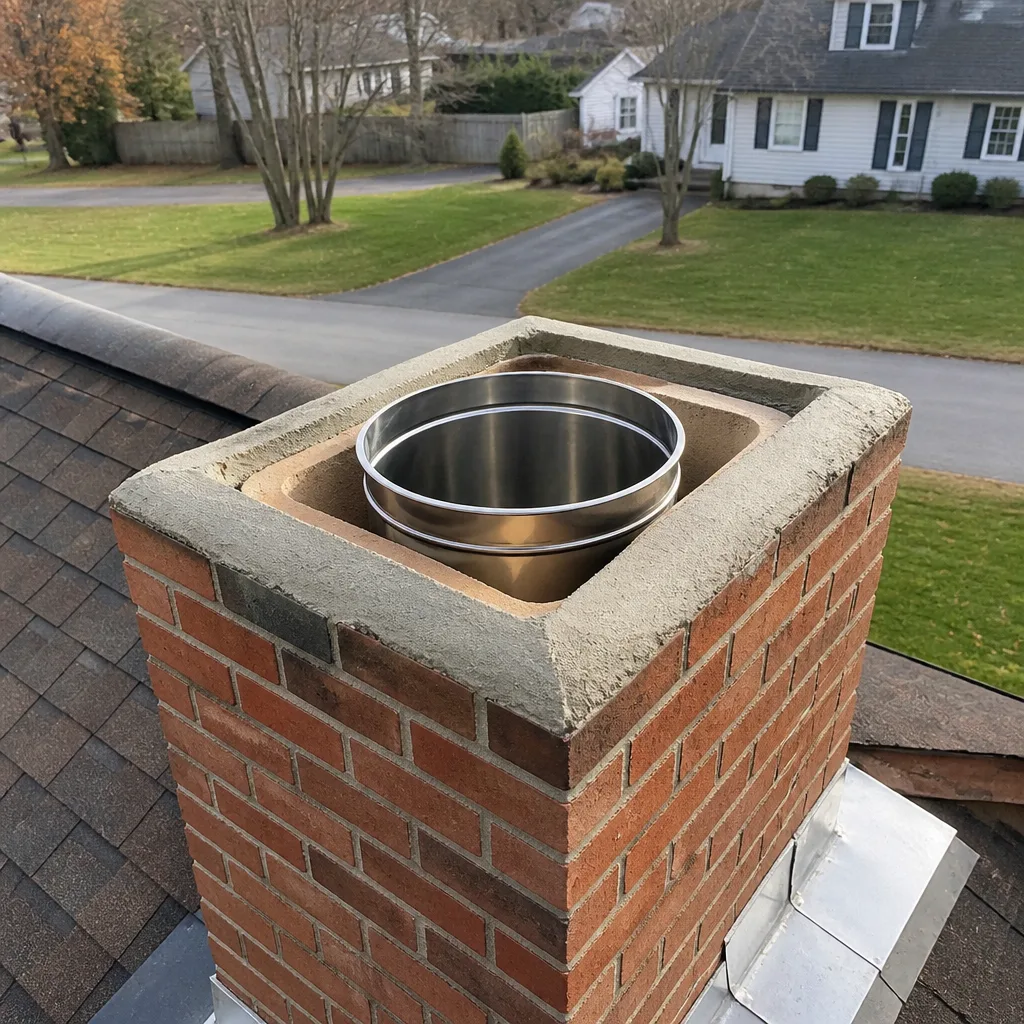 Flue relining
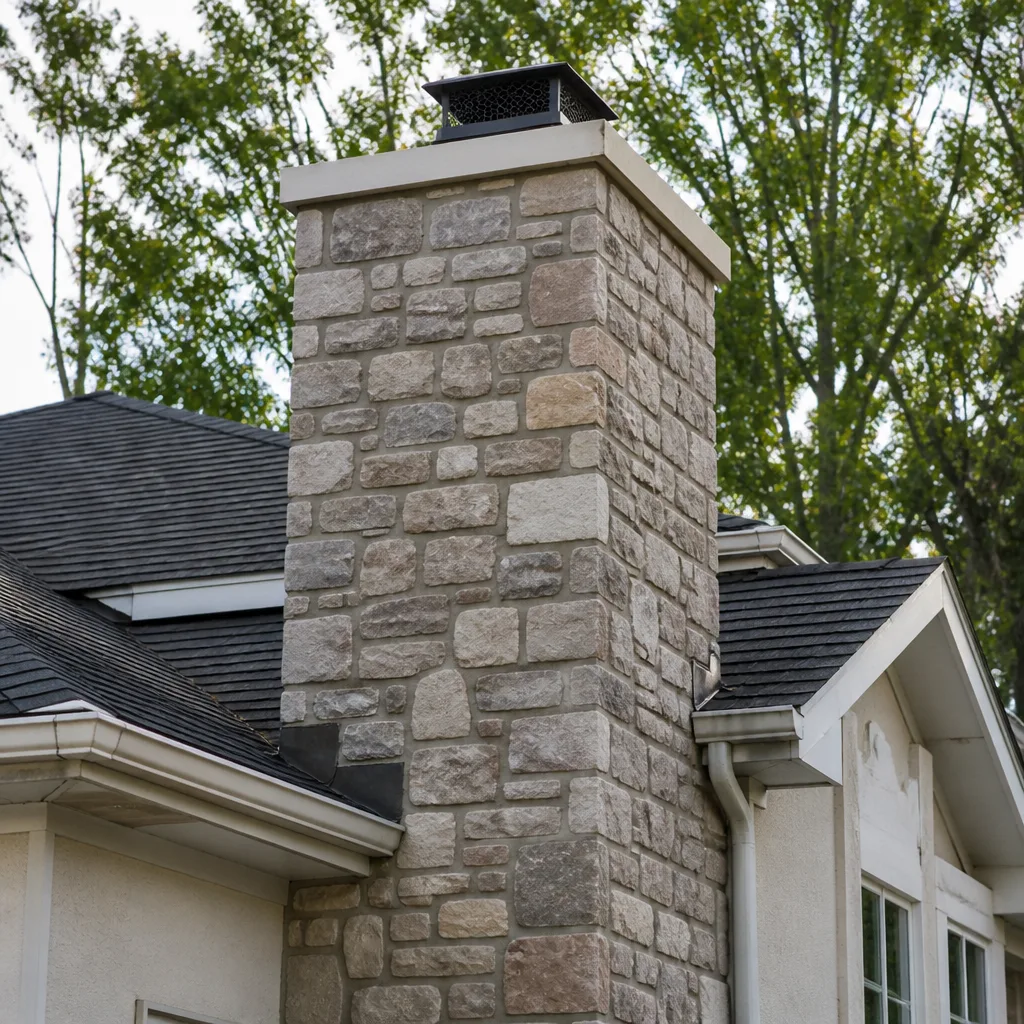 Masonry repair
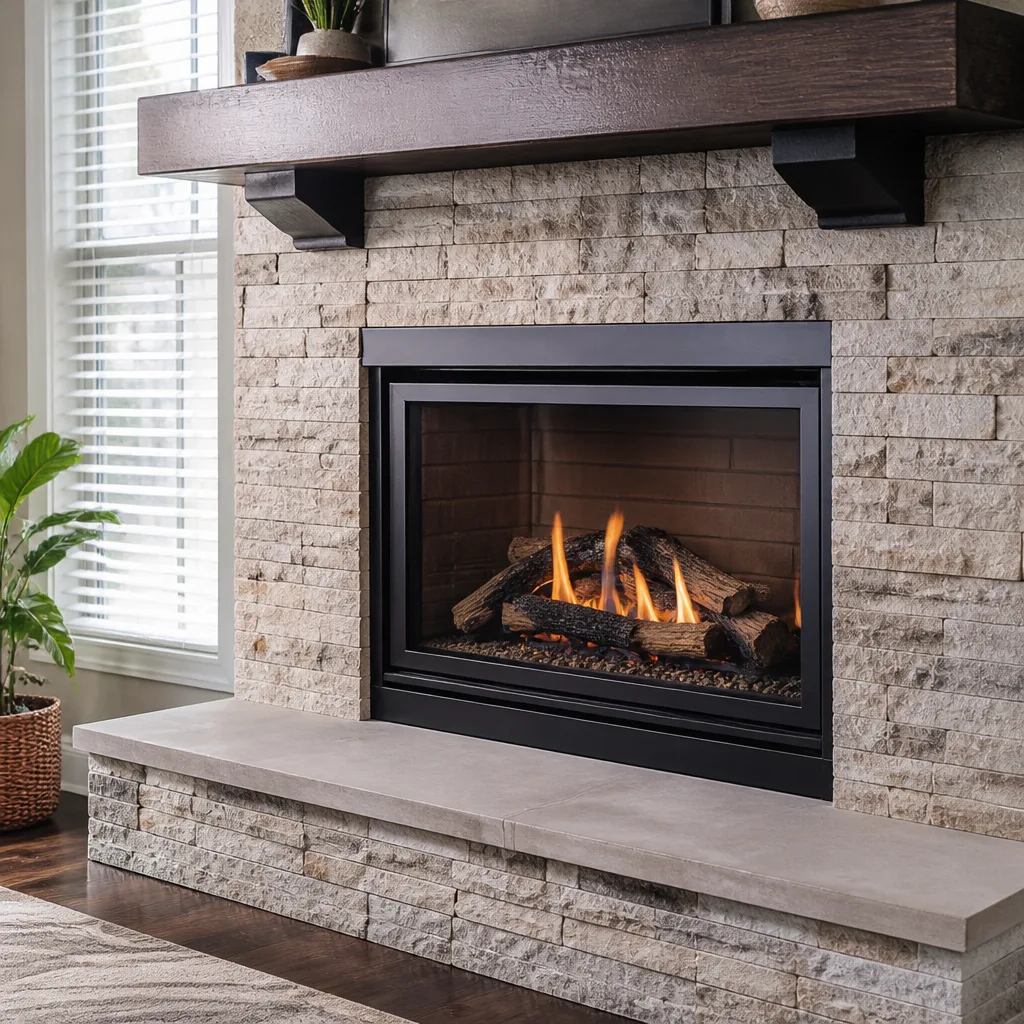 Gas fireplace service
Level 1 sweep and inspection to the NFPA 211 annual standard - flue, crown, cap, and flashing checked and photographed
Chimney sweep logs do not sweep chimneys. They loosen some creosote - which then falls where a brush and vacuum still have to collect it.
Seasonal Chimney Cleaning Care for West Jordan: Year-Round Homeowner’s Guide
Most chimney advice you’ll find online is written for a generic American climate, and it usually boils down to one line: clean your chimney in the fall before you start burning. That advice isn’t wrong, but in West Jordan it’s incomplete in a way that quietly costs homeowners money. The freeze-thaw cycle that runs through late winter and spring here works on masonry and crowns harder than a full heating season of fires does, and that damage keeps compounding through summer if nobody looks at it. This guide replaces the generic calendar with one built for the Wasatch Front. You’ll learn what to watch in each month, why some seasons matter more than others, and how to protect a chimney system from the firebox to the crown through a full West Jordan year.
Quick Answer
Chimney care in West Jordan works on a two-peak calendar, not a single fall cleaning. Schedule a professional sweep and inspection in early fall, before October, so the flue is clear when heating season starts at elevation, and schedule a second look in spring after the last hard freeze to catch freeze-thaw damage to masonry and the crown before summer heat widens it. Between those visits, the highest-value habits are keeping the cap and screen intact through summer and managing moisture correctly through winter cold snaps.
Styles & brands we work with
- Sweep & inspection
- Caps & crowns
- Flue relining
- Masonry repair
- Gas fireplace service
Table of Contents
- Why West Jordan’s Climate Breaks the Standard Chimney Calendar
- A Month-by-Month Chimney Care Calendar for West Jordan
- Freeze-Thaw Damage: What Spalling and Mortar Joints Tell You in March and April
- Summer Shutdown: Caps, Screens, Nesting Animals, and Debris
- Fall Prep: Why a Cleaning Before October Matters at This Elevation
- Protecting Masonry Through Winter Without Trapping Moisture
- Damper Protocols for Cold Snaps and the Rest of the Year
- What a Proper Sweep and Inspection Actually Involves
Why West Jordan’s Climate Breaks the Standard Chimney Calendar
National chimney guidance assumes a fairly steady march from cool to cold and back again. West Jordan doesn’t cooperate with that assumption. The city sits in the Salt Lake Valley against the Oquirrh foothills, and that position produces a specific pattern of stress on a chimney: repeated freeze-thaw cycles in late winter and spring, a long dry summer with wildfire smoke in the air, and a sharp, fast turn from mild to cold in fall that catches homeowners mid-project.
Each of those creates a distinct problem, and they don’t all show up during heating season.
- Spring freeze-thaw is the big one for structure. Water gets into masonry and mortar joints, freezes, expands, and pushes the material apart. Thaw, refreeze, repeat. That cycle is what drives spalling, and it’s why a spring inspection catches things a fall cleaning never will.
- Summer is when the chimney sits unused for months. Caps crack, screens tear, birds and squirrels move in, and debris builds. None of it announces itself until the first fire of the season backs up smoke.
- Fall is short and accelerating. The first real cold snap in West Jordan tends to arrive before people have booked their sweep, which is why the October deadline matters here more than it does in milder climates.
- Winter is about moisture management as much as fire. The fires themselves are fine. It’s the freeze on the outside and the warm flue on the inside that need managing together.
The short version: in West Jordan, structure is a spring problem and draft is a fall problem. Treat both, and the chimney lasts. Ignore spring, and a small crown crack becomes a rebuild.
A Month-by-Month Chimney Care Calendar for West Jordan
Here’s the calendar we’d hand a West Jordan homeowner who wants to stop reacting and start staying ahead of it. It’s built around the local climate events, not the generic seasons.
- January and February – burn season. Burn dry, seasoned wood and keep an eye on draft. A fire that smokes into the room instead of up the flue is a signal, not a nuisance. Watch for creosote odor in a warm room.
- March – first thaw inspection window. This is when freeze-thaw damage starts to reveal itself on the outside of the chimney. Look at the crown and the mortar joints from the ground.
- April – deep structural check. Spalling, loose mortar, and cracked crowns are clearest after a full freeze-thaw run. Book the sweep and inspection now so repairs can be scheduled before summer.
- May – trim and clear. Cut back tree limbs near the chimney. Clean leaves and debris from the roof around the chimney base so water can drain instead of pooling.
- June and July – cap and screen check. The chimney is unused, which makes it prime real estate for nesting animals. Confirm the cap and screen are intact. This is also the best month to get repairs done, not August.
- August – pre-season booking. Schedule your fall sweep now. The weeks before the first cold snap fill fast in West Jordan, and you don’t want to be calling when the forecast turns.
- September – sweep and full inspection. Get the flue cleaned and the whole system inspected before you burn. This is the single most important appointment of the year.
- October – burn season begins. First fires of the year. Confirm the damper operates fully and the draft is clean.
- November and December – mid-season habits. Keep the firebox cleared of ash buildup, maintain a hot enough fire to limit creosote, and watch for any change in draft or smell.
If you only do two things on that list, make them the September sweep and the April structural check. Everything else is a habit; those two are the calendar anchors.
Freeze-Thaw Damage: What Spalling and Mortar Joints Tell You in March and April
Spalling is masonry that flakes, peels, or breaks off in layers because water got inside the brick or stone, froze, expanded, and pushed the outer face apart. In West Jordan, the window where it’s easiest to see is late March through April, after the freeze-thaw cycle has done its worst and before summer heat dries everything out.
Here’s the mechanism, plainly. Brick and mortar are porous. They absorb water from rain, snow, and melting snowmelt. When temperatures drop below freezing, that water expands, and the expansion creates internal pressure. Mild freeze-thaw cycles are survivable. Repeated ones, over a whole spring, are not something small cracks can shrug off forever. The mortar joints, which are softer than the brick itself, tend to go first. Once a joint opens, more water gets in, and the next freeze opens it further.
What to look for around March and April:
- Brick faces that look chipped, flaky, or like they’re peeling off in thin sheets
- Mortar joints that are recessed, crumbly, or visibly missing between courses
- A white, powdery bloom on the masonry (efflorescence), which is a sign moisture has been moving through the material
- Small cracks in the crown – the concrete cap on top of the chimney – which let water straight into the masonry below
- Staining on interior ceilings or walls near the chimney, which points to water getting past a deteriorated crown or flashing
The crown is the part most homeowners overlook, and it’s the one that matters most for water. A hairline crack in a concrete crown looks harmless from the ground and does serious work over a Utah winter. If you see one in spring, get it looked at before the next freeze. This is exactly the kind of diagnosis-then-repair work we handle as a full-system chimney specialist – we inspect before we recommend, every time – and it’s why a spring visit to a chimney repair service belongs on the calendar, not just a fall cleaning.
Summer Shutdown: Caps, Screens, Nesting Animals, and Debris
Summer is when a chimney stops being a chimney and starts being an opening in the roof. That’s the risk. From the moment you stop burning in spring until you fire up again in fall, the flue is a dark, dry, protected cavity, and a lot of things in West Jordan want to live there.
Birds, squirrels, and other animals are the obvious tenants. But the quieter problem is plant debris: leaves, twigs, and the occasional acorn that finds its way onto the smoke shelf or down into the firebox. None of it matters until you light the first fire and the draft can’t pull. Then it matters a lot. A blocked or partially obstructed flue pushes smoke back into the room, and in the worst case it traps combustion gases rather than venting them up and out.
The cap and screen are your whole defense here, so summer is the right time to check them:
- Look at the cap from the ground. Is it still seated flat and intact, or has it rusted, cracked, or shifted?
- Check the screen or spark arrestor mesh. A torn screen is an open door.
- Look for nesting material visible at the top of the flue or around the cap.
- Check the flashing where the chimney meets the roof. Vibration from wind and the freeze-thaw cycle can loosen it, and that’s a leak path.
- Note anything that looks off and get it fixed before fall, when the schedule tightens.
A chimney cap and crown that are doing their job are the least glamorous part of chimney care and the most valuable. Water intrusion is the leading cause of long-term structural chimney damage, and the cap and crown are the first line of defense against it. Summer is when you fix them, when the roof is dry and the fix can cure properly. If your cap is damaged or missing, this is the appointment to make before fall.
Fall Prep: Why a Cleaning Before October Matters at This Elevation
The first real cold snap in West Jordan tends to arrive with less warning than people expect, and heating season starts fast once it does. That’s the practical reason to have the chimney swept and inspected before October rather than after.
Think about what’s sitting in your flue by the end of fall. A year’s worth of creosote, soot, and whatever settled during the summer. Creosote is the flammable residue that builds up from wood smoke, and it comes in different forms, from a light soot to a hardened glaze. The glaze kind is the dangerous kind, and it doesn’t come off with a homeowner brush. A professional sweep clears it. If you burn before that’s done, you’re burning with a fuel source already in the flue.
There’s also the draft question. A clean flue draws better than a dirty one, and a chimney that draws well is a chimney that doesn’t smoke into your living room on the first cold morning. If you’ve ever had a fire that struggled to catch or smoked when you first lit it, a fall sweep usually explains why.
What a good fall appointment covers:
- A full flue cleaning sized to the chimney, not a generic brush pass
- A visual inspection of the firebox, damper, smoke chamber, and flue
- A look at the cap, crown, and flashing for anything that got worse over summer
- A photo report of what we found, so you can see it yourself and not just take our word for it
We inspect before we recommend on every visit. That matters most in fall, because it’s the season when a flue cleaning is genuinely urgent and the season when you’re most likely to be told you need more than you do. In our experience, plenty of West Jordan chimneys need only the sweep. A few need a repair that’s safe to schedule in spring. The difference shows up on camera, and you should see it before you agree to anything. Booking a chimney sweep before October is the easy call; deciding what to do about the results is where a candid conversation pays off.
Protecting Masonry Through Winter Without Trapping Moisture
The instinct in winter is to seal everything up tight against the cold. With a chimney, that instinct can backfire. Masonry needs to be able to dry, and a chimney that’s sealed on every side while water is already inside it will do more damage than one left to breathe.
The right goal for winter in West Jordan is to keep water out at the top, let any moisture that does get in work its way out, and avoid the trap of sealing wet masonry. In practice:
- Fix the crown before winter, not during. A cracked crown is the main way water gets in. Repairing it in fall, while the weather is still cooperative, is the single most effective winter protection there is.
- Don’t seal over damp masonry. If a masonry surface has efflorescence or looks wet, sealing it traps that moisture inside, and the first freeze will push it apart. Sealing is for dry, sound masonry, and only after any repair has fully cured.
- Keep the cap and flashing intact. These shed water off the top of the chimney and out of the roof junction. Both are worth checking in fall.
- Watch for ice and snow buildup at the base. Snow piled against the chimney base holds moisture against the masonry and slows drying. Clearing it is a small chore with a real payoff.
- Don’t rely on the fire to dry things out. A hot fire does warm the flue from the inside, but it doesn’t solve a water problem on the outside. Fix the source.
This is the waterproofing side of chimney care, and it’s where cap and crown work earns its keep. Using industry-grade materials – brands like HeatShield for liner restoration and Olympia Chimney for caps and components – is what separates a repair that survives a West Jordan winter from a patch that doesn’t.
Damper Protocols for Cold Snaps and the Rest of the Year
A damper is a simple mechanism with an outsized effect on how a chimney performs and how much heat it keeps in the house. In West Jordan, where the temperature can swing fast, knowing when to open it and when to leave it closed makes a real difference.
The basic rule is straightforward: the damper is open when you’re burning and closed the rest of the time. The nuance is in the details, and it’s where people get tripped up.
When you’re burning, the damper should be fully open before you light the fire, not after. Lighting a fire with a closed damper sends smoke straight into the room. It should stay open the whole time the fire has any life in it, including the embers-and-smoke phase when the flames are gone but the logs are still gassing. That’s the phase most people close up early, and it’s when smoke smell in the house actually happens.
When the fire is fully out and the flue has cooled, close the damper. A closed damper keeps warm room air from escaping up the flue and keeps cold air from coming down it. In a cold snap, an open damper on an unused chimney is a draft you’re paying for.
During a cold snap with no fire, the damper stays closed. This is not the moment to open it “to let the house breathe.” It’s the moment to keep it shut and let the chimney sit quiet until you burn again.
A few practical notes:
- If the damper sticks, don’t force it. A stuck damper is a sign of rust, debris, or a mechanical problem, and forcing it can leave you with a damper that no longer seals.
- If you have a gas fireplace or gas log set, the damper protocol follows the manufacturer’s instructions, and it may need to stay partially open. Follow the appliance, not the general rule.
- An open damper is not a substitute for a clean flue. A draft problem is a flue problem nine times out of ten, not a damper problem.
If your damper is stuck, warped, or missing, that falls squarely under fireplace repair – get it looked at before burn season so you’re not fighting it in January.
What a Proper Sweep and Inspection Actually Involves
A proper chimney appointment is two things in one visit: a cleaning and an inspection. The cleaning clears the flue. The inspection tells you what’s actually going on in the system, from the firebox up to the crown, and what, if anything, needs repair. When they’re done together, you get a clean flue and a clear picture.
What that looks like, stage by stage:
- Set up and protect the room. Drop cloths and a containment setup around the firebox so soot ends up in the bag, not on your floor.
- Sweep the flue to size. A brush matched to the flue, worked from the top or the bottom as the chimney allows, to clear soot and creosote.
- Inspect the whole system. Firebox, damper, smoke chamber, flue, and the exterior – cap, crown, flashing, masonry. A camera inspection lets us see what a flashlight can’t reach.
- Document what we found. A photo report of the condition, so you see the actual flue and the actual cracks, not just a description.
- Give you a written estimate. If something needs repair, the price is set per job by that written estimate, so you know what it costs before anything is scheduled.
We treat the chimney as a whole system, not just a flue. That’s why we handle everything from the firebox to the crown in one relationship – sweep, inspection, cap and crown work, fireplace repair, and chimney repair. You’re not coordinating a sweep company, a mason, and a roofer, and nothing gets lost between them. When a liner needs help, we can restore it with HeatShield rather than jump straight to a full reline, and when a liner genuinely needs replacing, we use professional-grade systems like DuraFlex flexible liners, which let us reline without full demolition. Those are the same materials certified chimney specialists nationwide specify, and they’re not the substitutes you’ll find at a hardware store.
Our technicians have up to 12 years of experience, and we inspect before we recommend every time. If something can wait, we say so. If it can’t, the camera shows you why. If you want a sense of who we are before you book, start at West Jordan Chimney Sweep Pros.
Common Mistakes to Avoid
- Following a fall-only calendar. The national advice to sweep in fall is correct as far as it goes, but it ignores the freeze-thaw damage that builds in spring and stays hidden through summer. A West Jordan chimney needs both a spring look and a fall sweep.
- Sealing masonry that isn’t dry. Sealing over damp brick traps moisture in, and the next freeze pushes it out. Seal only dry, sound masonry, and only after repairs have cured.
- Ignoring the crown because it looks fine from the ground. Crown cracks are often small and easy to miss. They’re also the most direct path for water into the structure, so a spring inspection should check the crown specifically.
- Closing the damper while embers are still smoking. The fire is “out” when the embers are cold, not when the flames stop. Closing early traps smoke and gasses in the room.
- Skipping the summer cap check. A torn screen or a shifted cap is an open flue for animals and debris all summer, and you won’t know until the first fire of fall.
- Burning unseasoned or wet wood. Wet wood runs cool and produces more creosote. In a West Jordan winter, dry, seasoned wood is the difference between a manageable flue and a glaze problem.
- Letting a sweep service talk you into repairs you can’t see. Ask for the camera, and ask for the photo report. If you can’t see the problem, don’t fund it.
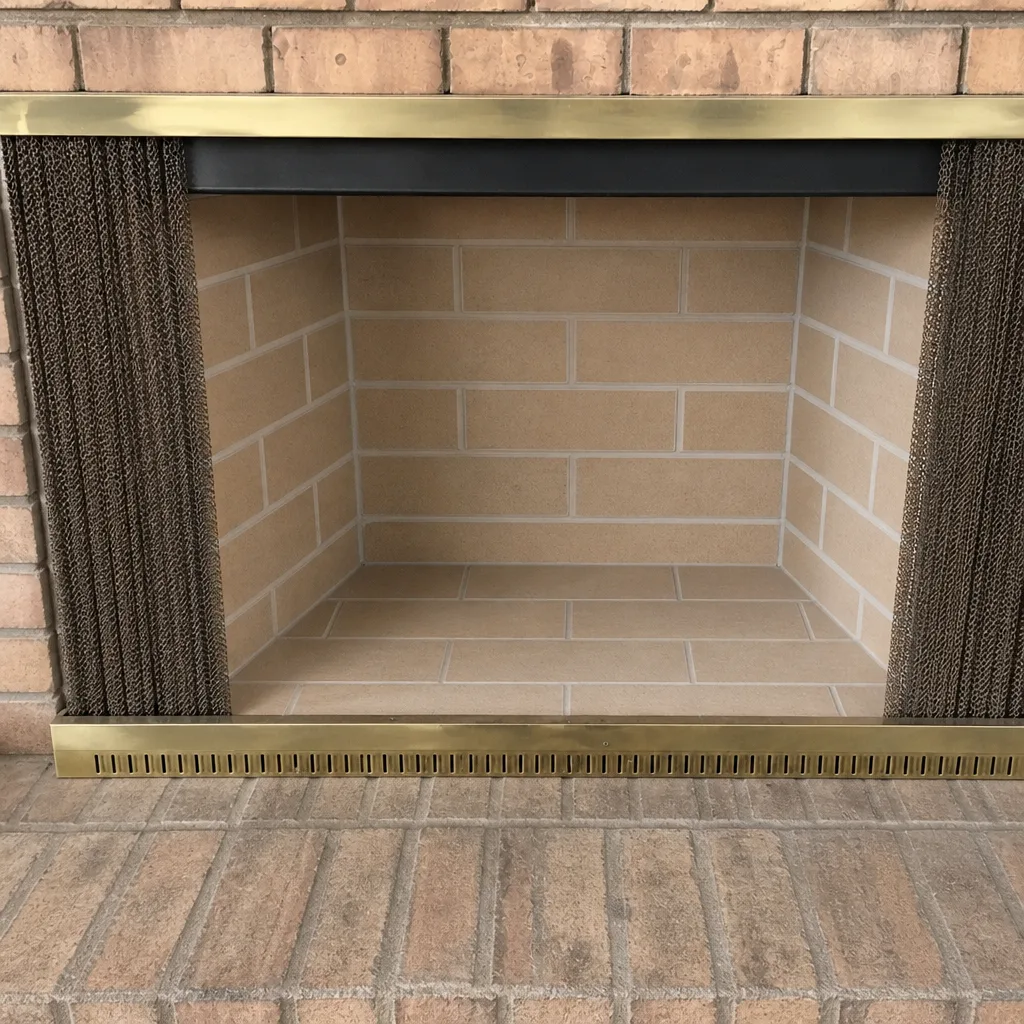
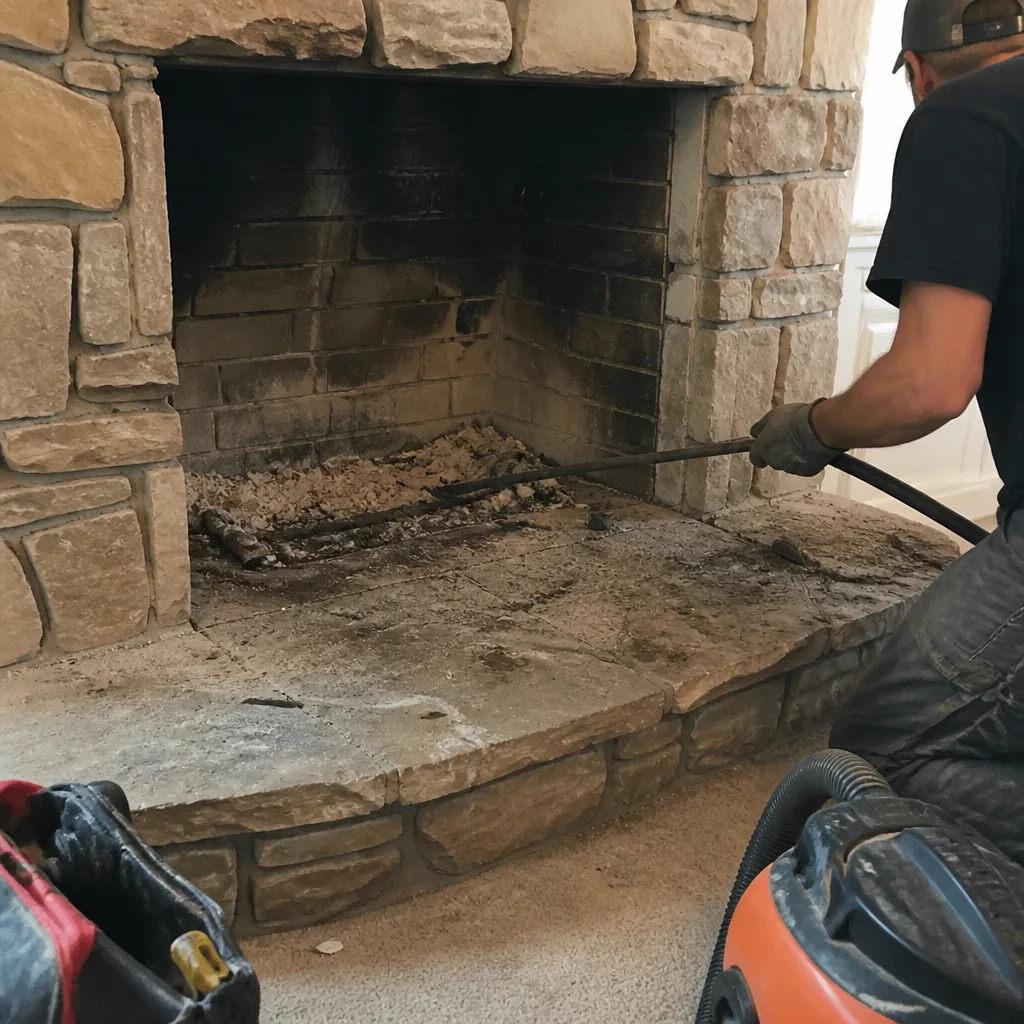
See the difference
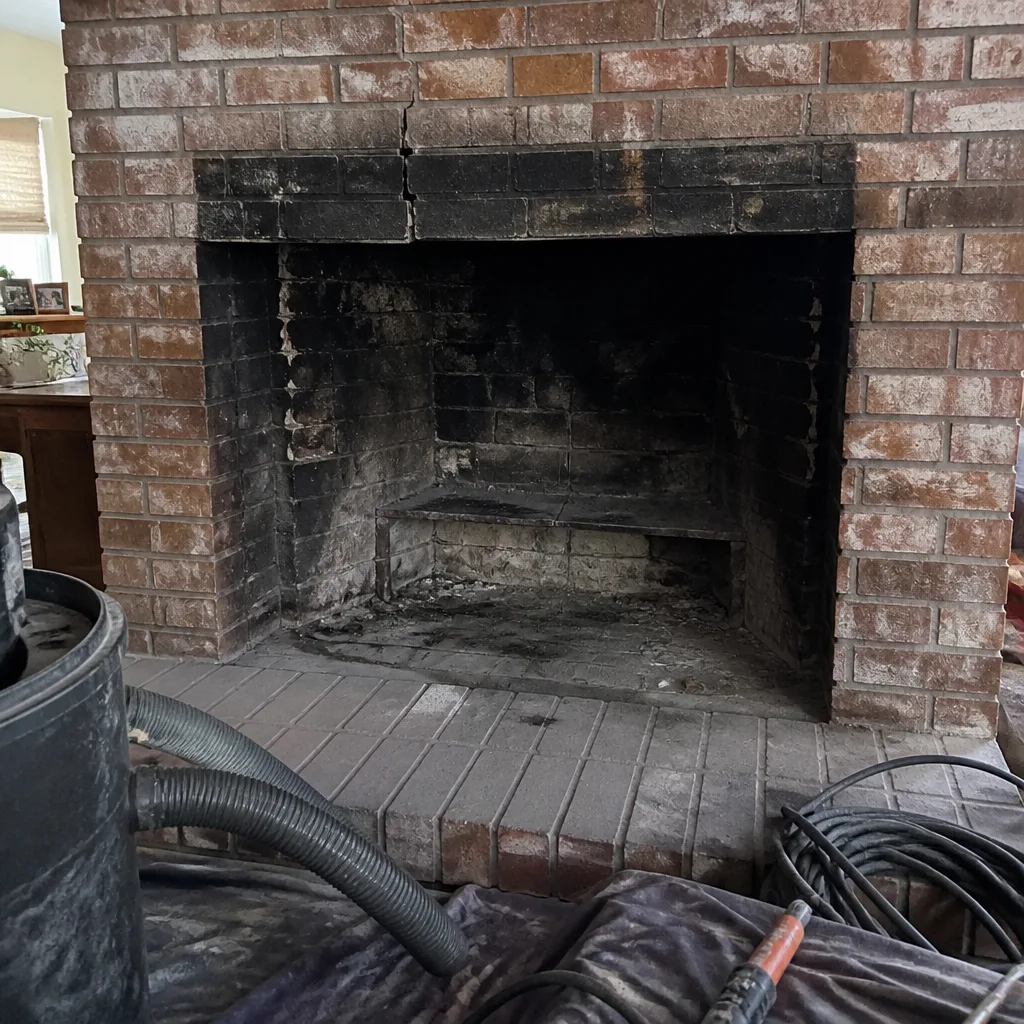 Before
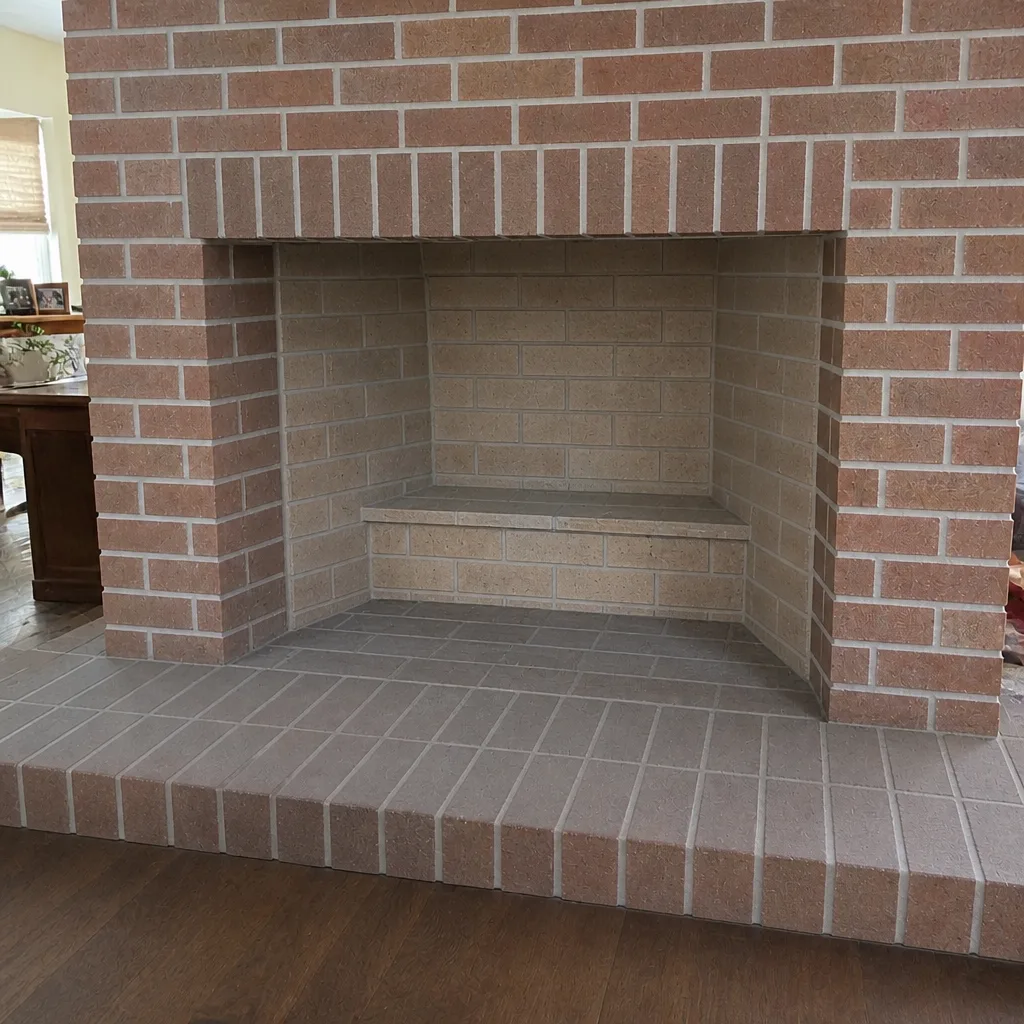 After
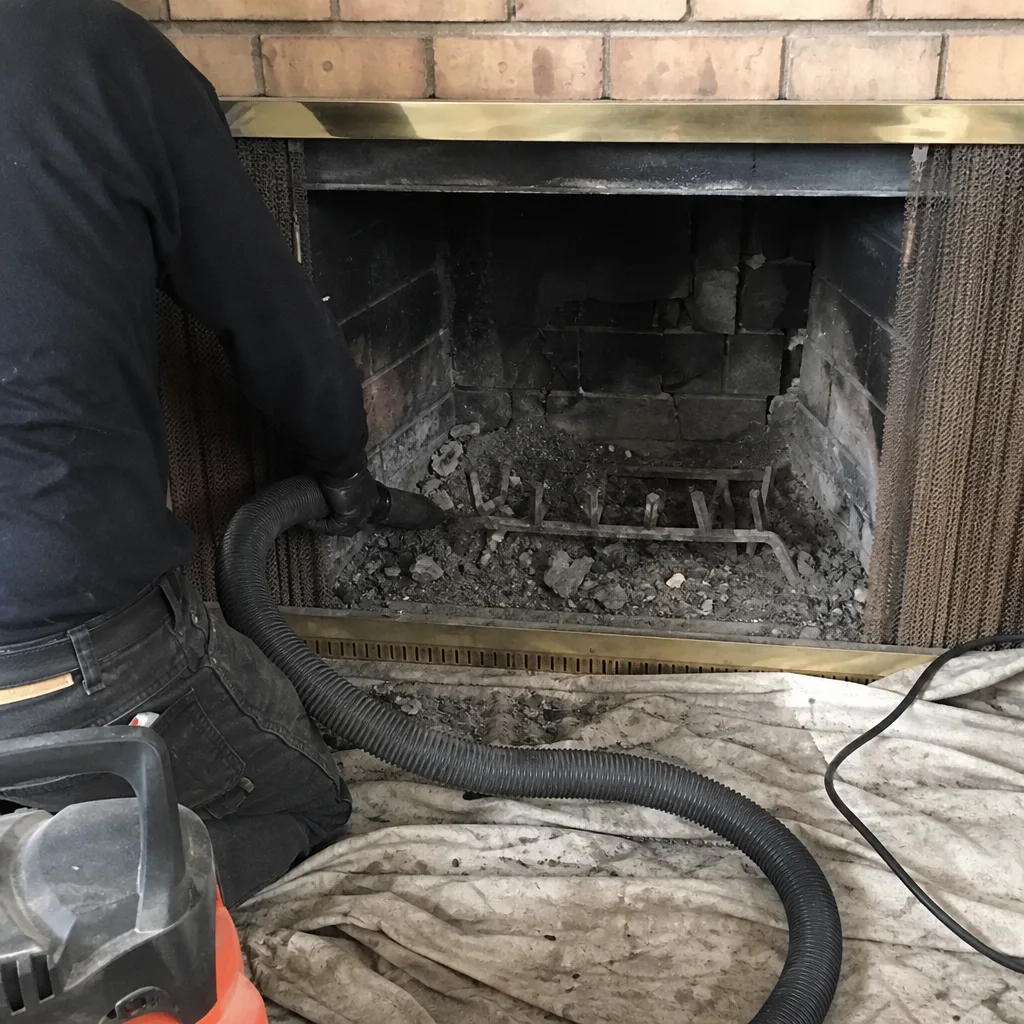 Before
 After
 Before
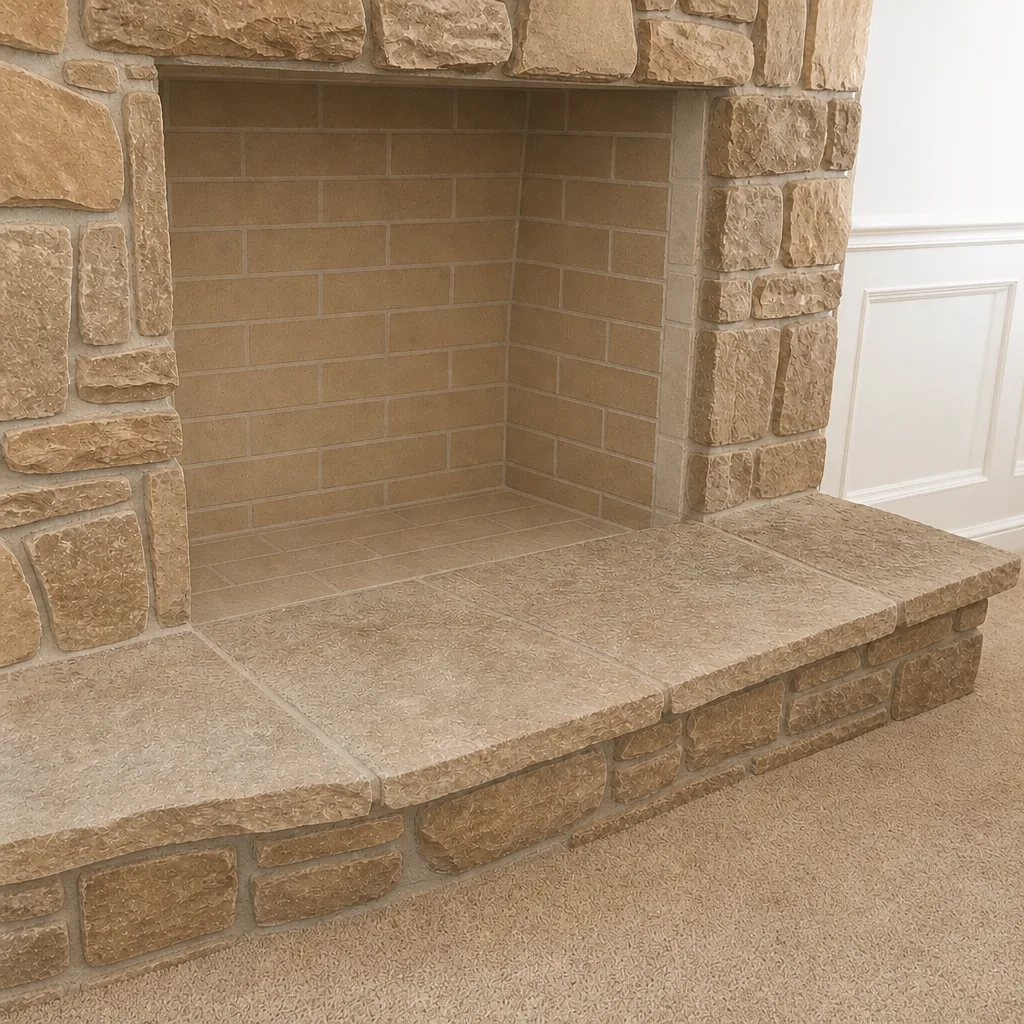 After
When to Call a Professional
A sweep is a booked appointment, not an emergency call, and the urgency is seasonal. The time to call is when the calendar says so – a spring structural check after the last freeze, and a fall sweep before October. But there are specific signals that mean don’t wait for the calendar. Call if you see a cracked crown or missing mortar joints on the chimney exterior, if there’s staining on an interior wall or ceiling near the chimney, if your damper is stuck or won’t seal, if you’re getting smoke backing into the room when you burn, or if you smell creosote in a warm room in summer. Each of those points to a real problem worth a look.
West Jordan Chimney Sweep Pros offers free estimates in West Jordan – call (866) 937-7304. We answer 24/7, and dispatch runs 7am-7pm, Sunday through Friday.
Frequently Asked Questions
Most West Jordan chimneys that get regular use should be swept once a year, in early fall before October, plus a spring inspection after the last hard freeze. If you burn heavily through the winter, or you notice creosote buildup or draft problems, a mid-season check makes sense too. The annual sweep is the baseline; the spring look is what this climate specifically calls for.
Spring is when freeze-thaw damage to masonry and crowns is most visible, and it’s the damage that compounds if it goes into summer unchecked. Fall is when a dirty flue matters most. In West Jordan’s climate, structure is a spring concern and draft is a fall concern, and a good chimney calendar handles both.
Yes, because summer is when the cap and screen do their whole job. A torn screen or shifted cap lets animals and debris into an unused flue for months, and you may not find out until the first fire backs up. A summer check of the cap and screen is quick and catches it before fall.
Creosote builds up in the flue throughout the burn season, and the hardened, glazed form is flammable. Skipping the sweep means burning with that residue in place, and it also means nobody’s checking the masonry and cap for damage that water and freeze-thaw are quietly working on. It’s two problems at once: fire risk in the flue and water risk on the structure. Call (866) 937-7304 for a free estimate and a camera inspection – you’ll see the actual condition of your flue for yourself.
A typical sweep in the West Jordan market runs in the low-to-mid hundreds of dollars, and any repair is priced per job by the written estimate you get before work is scheduled. We don’t quote a fee over the phone without seeing the chimney, because a sweep sized for one flue costs differently than a full inspection with camera work. The estimate is free. Call (866) 937-7304 to book one.
Not always. Many West Jordan chimneys only need a sweep, and some need a repair that’s safe to schedule in spring. When a liner does need work, we look at restoration with HeatShield first, because it extends flue life without full relining costs, and only recommend replacement when the liner genuinely warrants it. You’ll see the camera footage and the photo report before you agree to anything, so the recommendation is based on what’s visible, not what’s convenient. Nothing is recommended without evidence you can see. Call (866) 937-7304 for a free estimate.
The Bottom Line
West Jordan’s climate asks for a two-peak calendar, not the single fall cleaning the national advice recommends. Sweep and inspect before October so heating season starts with a clean flue, and get a structural look in spring so freeze-thaw damage to masonry and the crown gets caught before summer heat widens it. Keep the cap and screen intact through the summer months, manage moisture through winter without sealing damp masonry, and run the damper correctly when the fire is out. Do those, and your chimney holds up through the specific stresses this valley puts on it. Our technicians have up to 12 years of experience, and we inspect before we recommend on every visit.
Ready to put your chimney on the right calendar? Call West Jordan Chimney Sweep Pros at (866) 937-7304 for a free estimate. We answer 24/7, and dispatch runs 7am-7pm, Sunday through Friday.
Written by the team at West Jordan Chimney Sweep Pros.