
Last updated November 25, 2026
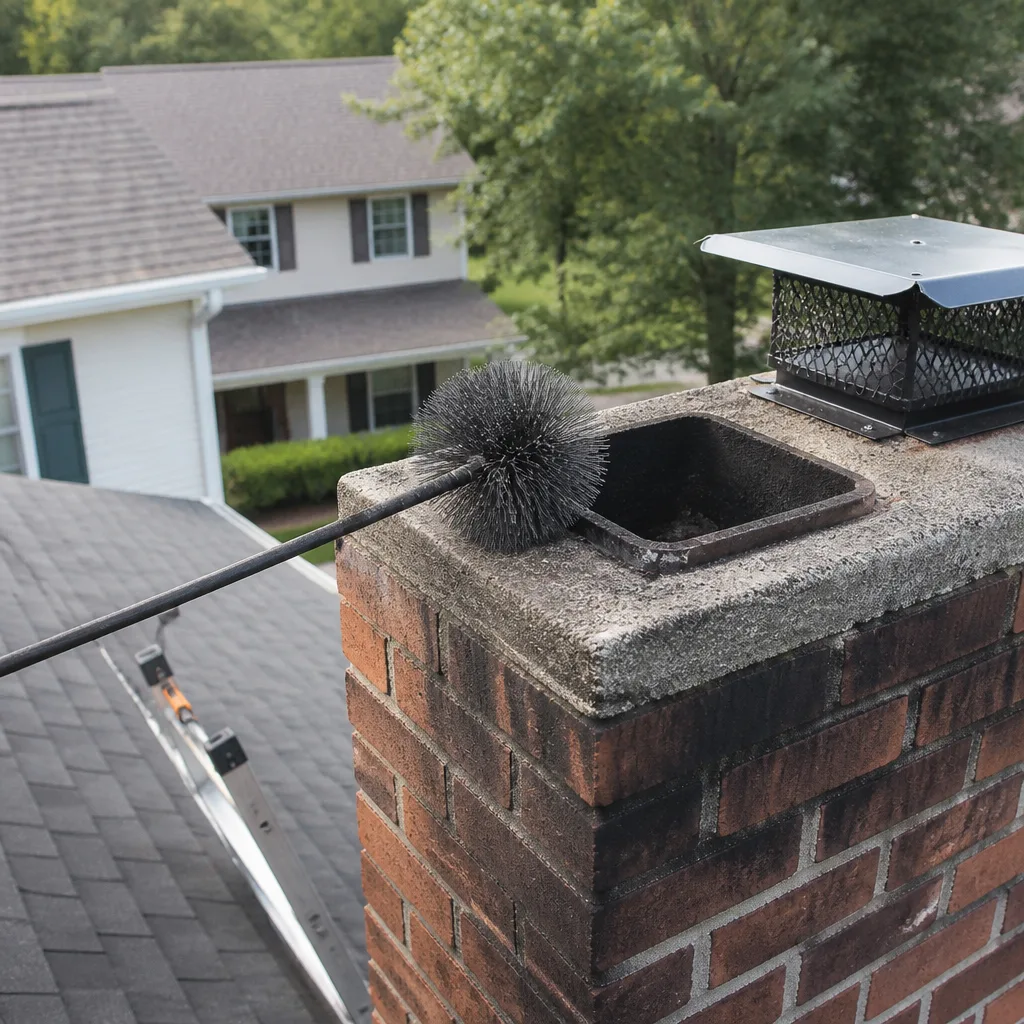 Sweep & inspection
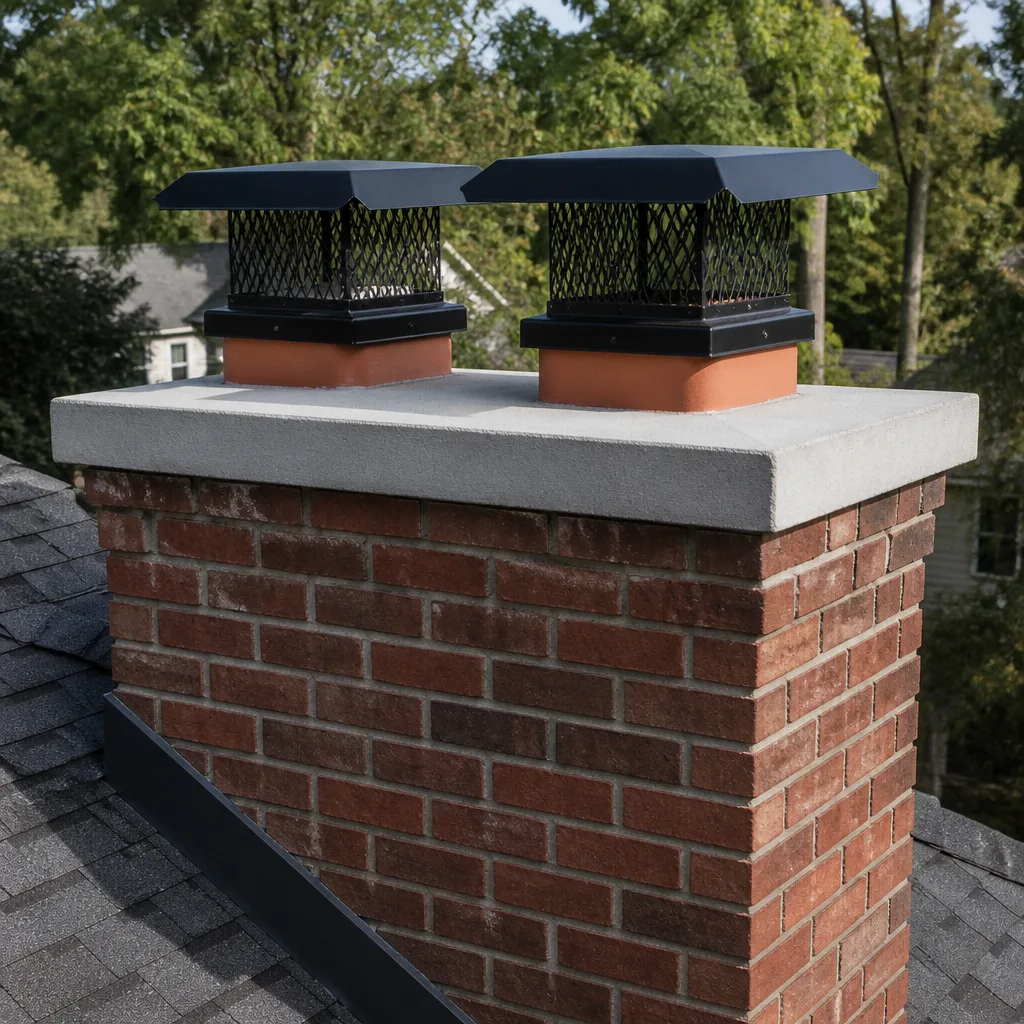 Caps & crowns
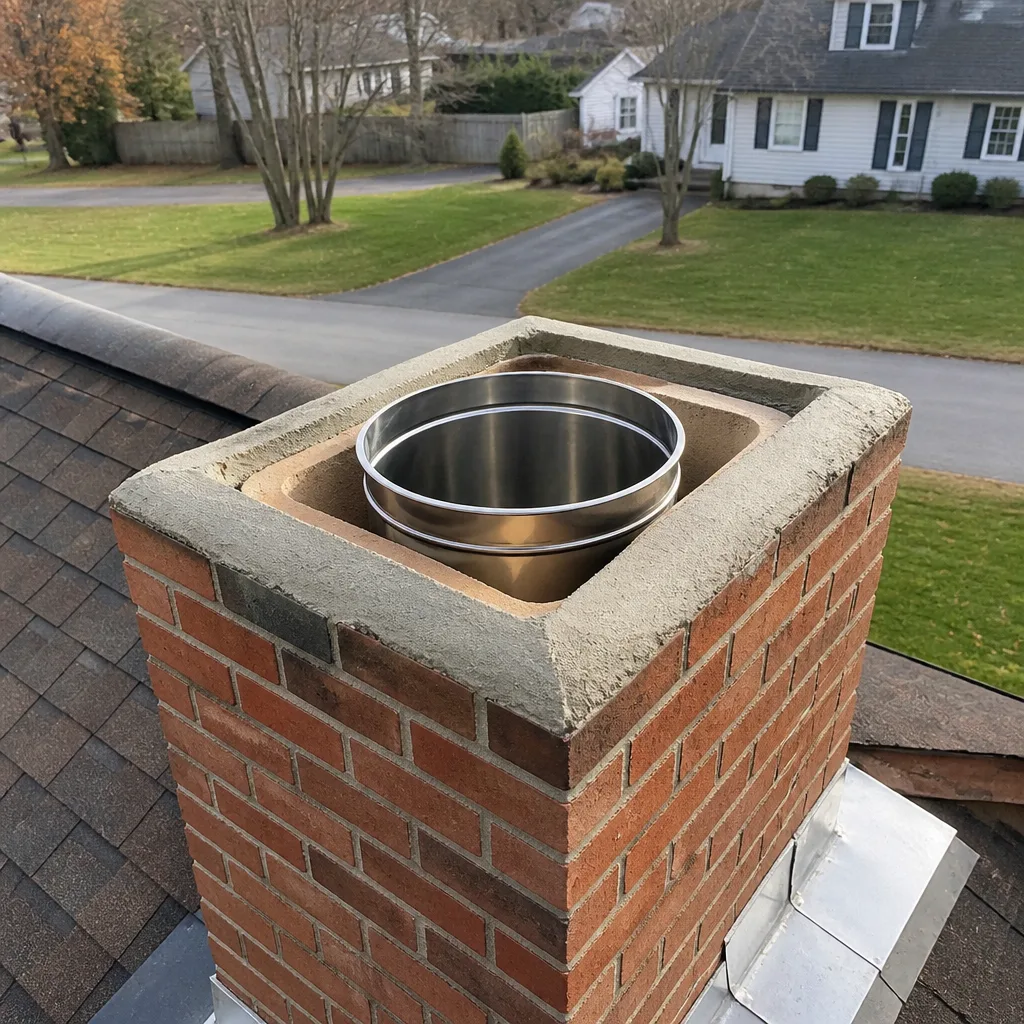 Flue relining
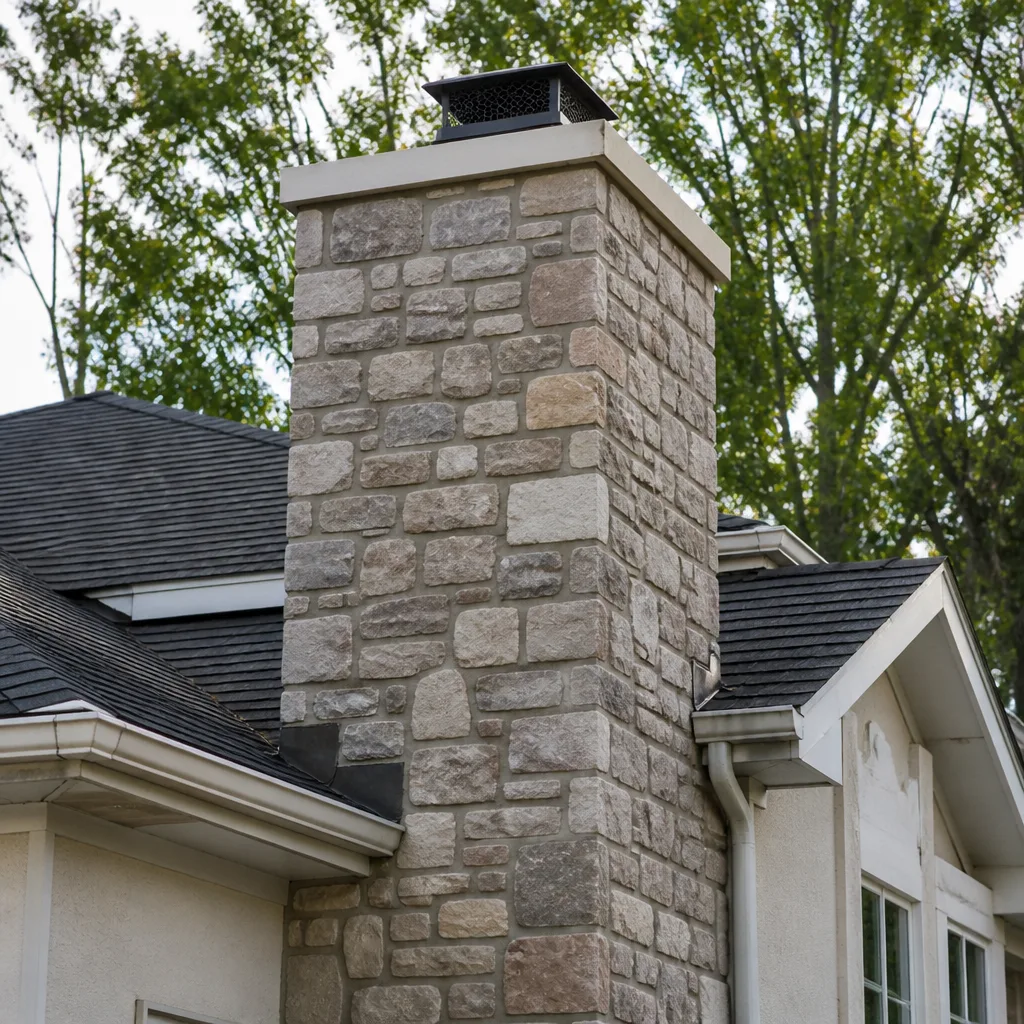 Masonry repair
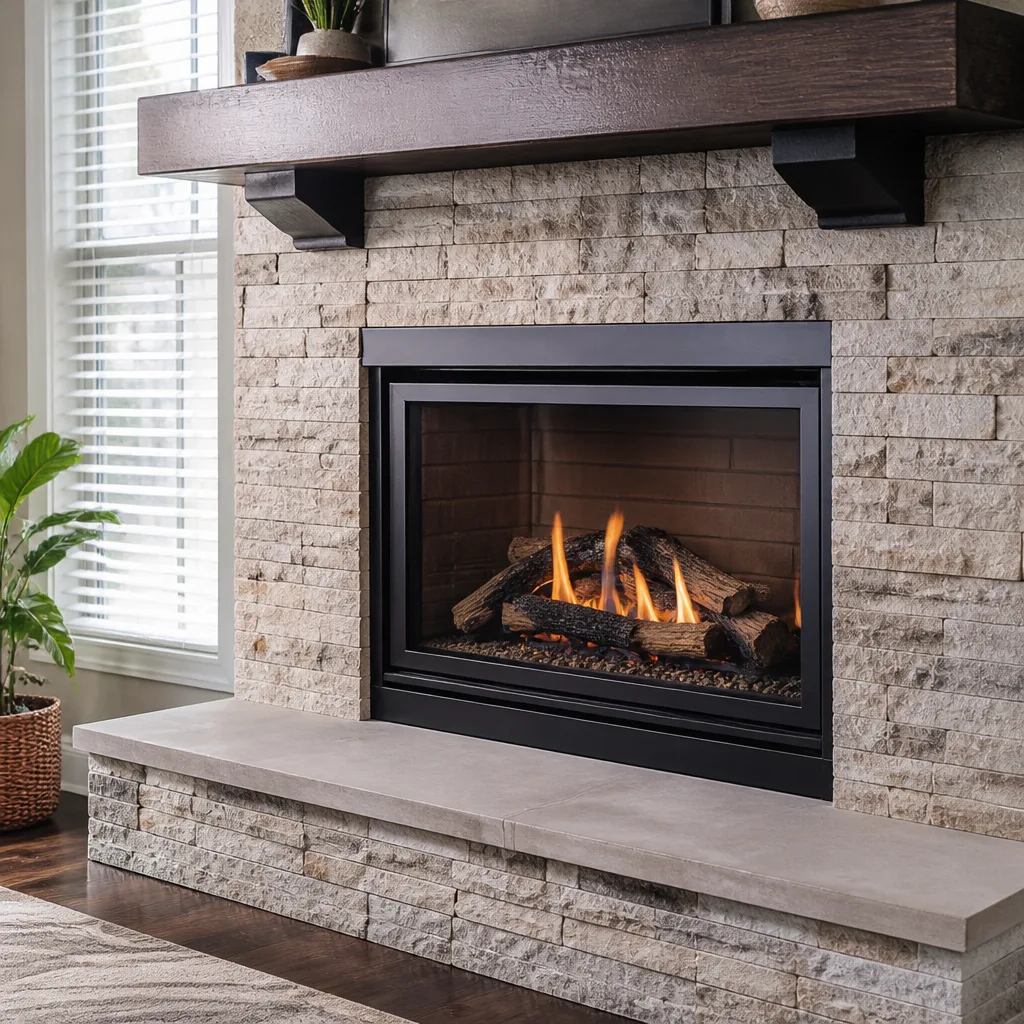 Gas fireplace service
Level 1 sweep and inspection to the NFPA 211 annual standard - flue, crown, cap, and flashing checked and photographed
Chimney sweep logs do not sweep chimneys. They loosen some creosote - which then falls where a brush and vacuum still have to collect it.
How to Hire a Chimney Cleaning Contractor in West Jordan: A Step-by-Step Guide
A five-star review average tells you a contractor shows up and is pleasant. It tells you almost nothing about whether they can recognize a compromised liner or stage-three creosote, which are the problems that actually matter once the fire is lit. That’s the harder truth about hiring in West Jordan: “chimney sweep” is an unregulated label, so anyone can print it on a truck. Vetting has to lean on verifiable credentials and a clearly defined scope of work, not testimonials alone. This guide walks you through exactly what to ask, what a qualified answer sounds like, and what should disqualify a contractor before the appointment is even booked.
Quick Answer
To hire a chimney cleaning contractor in West Jordan, verify certification and insurance first, ask about their inspection protocol and how they document findings, and require a written estimate that names materials by brand and grade before any repair is approved. The contractor who answers those questions specifically, and who puts everything in writing, is the one worth booking. The one who can’t name their products or pressures you to approve repairs on the spot is not.
Styles & brands we work with
- Sweep & inspection
- Caps & crowns
- Flue relining
- Masonry repair
- Gas fireplace service
Table of Contents
- What credentials actually mean in chimney work
- CSIA certification vs. trade association membership
- Six questions to ask before you book
- What a real pre-job inspection looks like
- What a written estimate should contain
- Three contract red flags specific to chimney work
- Why West Jordan homes need close attention to the crown and cap
- How often a West Jordan chimney should be swept
What credentials actually mean in chimney work
The word “certified” gets used loosely in this trade, so it’s worth slowing down on what a certificate is certifying. In chimney work, the meaningful credential is a CSIA (Chimney Safety Institute of America) certification. It’s an earned designation that requires passing an exam, agreeing to a code of conduct, and staying current with continuing education. It isn’t a membership dues receipt. That distinction is exactly what separates a contractor who has been tested on creosote stages, liner failure diagnostics, and venting principles from one who simply joined an association and printed a logo.
Why does that matter to a homeowner in West Jordan? Because the difference between a mid-grade creosote glaze and a dangerous stage-three deposit is visual and tactile, and it’s easy to miss if you haven’t been trained to look. The same is true of a hairline crack in a clay liner tile that looks fine from the firebox but reads differently under a camera or a light. A trained eye catches those; a broom-and-vacuum operation does not.
Here’s what to verify before booking:
- CSIA certification for the individual technician, not just the business name on the truck. Ask for the technician’s name and certification status.
- Proof of liability insurance for the work being done. Any contractor working on a roof or in a chase should be able to send a certificate of insurance.
- Written scope of work ahead of the appointment, describing what will be done and what won’t.
- Specific product knowledge if repairs are discussed. A contractor who mentions HeatShield, Gelco, Olympia Chimney, or Famco by name is speaking from a materials vocabulary that most general handymen don’t have.
None of this is unreasonable to ask. A contractor who’s confident in their credentials will answer quickly. One who bristles at the question is telling you something.
CSIA certification vs. trade association membership
This is the single most misunderstood distinction in the trade, and it’s worth its own section because it’s where a lot of West Jordan homeowners get taken. A trade association membership typically requires a fee and a signature. A CSIA certification requires an exam on the actual technical content of the work: venting, combustion, liner behavior, inspection standards, and safety. Those are not the same bar, and the marketing language around both often blends them together.
When you talk to a contractor, listen for the difference:
- “We’re members of [association]” – this is a dues-and-signature credential. It may still indicate a legitimate business, but it isn’t a technical certification.
- “Our technician is CSIA-certified” – this indicates a tested, ongoing-education credential. Ask which technician and verify it directly through the CSIA’s public directory if you want certainty.
- “We follow NFPA 211” – this reference to the national chimney and venting standard is a good sign that the contractor works from an industry-standard framework, though it isn’t a certification itself.
What a membership-only contractor can still do well is sweep a clean flue and clear a firebox. What they may not do well is recognize the subtle structural cues that signal a problem needing repair. In our experience the “sweep” side of the trade and the “diagnostic” side are different skills, and both are needed for a safe chimney system – not just the flue.
The practical vetting move is to ask for both credentials and see which one the contractor volunteers first. A certified technician will typically lead with the certification because it’s the one that matters. A member-only operation will typically lead with the association logo. That ordering tells you something.
Six questions to ask before you book
These six questions are designed to be asked on the initial call. None of them require a technician on-site, and none of them cost you anything. If a contractor can’t answer them clearly, that’s your answer. Write down what they say.
- “Is the technician who’s coming CSIA-certified, and can you tell me their name?” A qualified answer names the person and confirms certification. A vague answer like “our technicians are trained” without a name or certificate reference is a soft pass.
- “What does your inspection include beyond sweeping the flue?” A qualified answer describes a camera inspection, a check of the crown and cap, the firebox and damper, and the smoke chamber. An answer that just says “we sweep and check” is incomplete. This is the single most revealing question on the list.
- “Do you provide a written inspection report and photos?” A qualified answer is an immediate yes with specifics about what’s photographed. A hesitation or a “if you want” is a red flag.
- “Do you install chimney caps and repair crowns, or just sweep?” A qualified answer is a clear description of the full service scope. West Jordan Chimney Sweep Pros handles sweep, inspection, repair, fireplace repair, and cap and crown – a contractor who only sweeps will often refer out the rest.
- “What brands of liner and repair materials do you use?” A qualified answer names specific products – HeatShield for liner restoration, DuraFlex for flexible relining, Gelco or Olympia Chimney or Famco for caps and components. A contractor who says “we use whatever’s available” or can’t name a brand is not working from a professional-grade material list.
- “Will I get a written estimate before any repair is approved?” A qualified answer is an unconditional yes. A conditional answer like “usually” or “depends on the job” is a warning sign.
You don’t need to interrogate anyone. These are reasonable questions the way “do you take credit cards” is reasonable. The contractor who has done this work for years answers them the way you’d answer a question about your own job – easily and specifically.
One more thing worth asking, though it isn’t on the formal list: how the sweep is booked. In West Jordan, the practical timing question is seasonal – before burning season, not same-day. A contractor who can describe their booking rhythm and give you a realistic appointment window is functioning like a real business.
What a real pre-job inspection looks like
Here’s where the “free inspection” upsell lives, and it’s worth separating it from a genuine pre-job protocol. A real pre-job inspection is a diagnostic step that happens before any recommendation and serves the homeowner’s interest. The “free inspection” that ends in a four-figure repair quote with a same-day deadline is a sales funnel, not a diagnostic. The difference is visible if you know what to watch for.
A legitimate inspection protocol includes:
- A camera inspection of the flue, with images shared with the homeowner, not just described. You should be able to see the liner while the technician narrates what they see.
- A physical check of the firebox, damper, smoke chamber, and smoke shelf – these are common failure points and are often skipped by sweep-only services.
- A check of the crown, cap, and flashing at the roof line. Water intrusion at the crown is the leading cause of long-term structural chimney damage, and it’s the failure point most homeowners don’t discover until the ceiling is stained.
- A written report, with photos, delivered as part of the appointment – not “we’ll send it later.”
- A recommendation list ordered by urgency, separating what needs attention now from what can safely wait.
That last point is important and often missing. A real inspection tells you what can wait. That’s not a sales tactic – it’s honest reporting. In our experience homeowners stay with the contractor who tells them “this can wait until spring” because they trust the next recommendation more.
What a legitimate inspection will not do is pressure you into a same-day decision. There’s almost no chimney repair that can’t wait 24 to 48 hours for a homeowner to consider the estimate. A contractor who won’t give you that time is telling you something about how the business operates.
What a written estimate should contain
A written estimate is your protection against the two most common chimney repair failures: vague scope and generic materials. Both of those are the reason “one contractor quoted $1,200 and another quoted $3,400” stories exist. The estimates weren’t for the same job, and the paperwork is where you can tell the difference.
A proper estimate should contain:
- Scope of work, itemized. Each task on its own line with a labor description – not “chimney repair: $2,800.” You should be able to read what will be removed, what will be installed, and what will be left alone.
- Materials specified by brand and grade. If a liner is part of the job, the estimate should name the product (for example, HeatShield for liner restoration, or DuraFlex for a flexible reline). If a cap is part of the job, the estimate should name the brand – Gelco, Olympia Chimney, or Famco, for example. “Standard cap” or “chimney liner” with no brand is a vague-material red flag.
- Warranty on labor and on parts, stated separately. Labor warranty length and manufacturer warranty length are typically different, and a written estimate should say both.
- The written report from the inspection attached or referenced so the estimate ties directly to documented findings.
- A stated timeline for the work, especially if the chimney can’t be used until repairs are done.
The single best practice you can adopt is to require the estimate to name the materials. If a contractor can’t or won’t name the product going into your chimney, you can’t compare their bid to anyone else’s, and you can’t verify what you’re paying for. In West Jordan, where the temperature swings between seasons are substantial, the material grade is the difference between a repair that lasts and one that doesn’t.
One related point: the estimate should be free and the price should be set per job by that written estimate. You shouldn’t be paying a diagnostic or trip fee to find out what the job costs. The schedule is straightforward: West Jordan Chimney Sweep Pros sets a flat price per job, agreed before booking.
Three contract red flags specific to chimney work
Chimney work has its own category of red flags, mostly because the system is largely invisible to the homeowner. That’s what makes these three specific warning signs worth knowing by heart.
Red flag 1: Vague material specifications
If the estimate says “chimney liner” without a brand or grade, or “sealant” without a product, you can’t verify what’s going into your chimney. Professional-grade materials are the difference between a HeatShield- or DuraFlex-based repair and a generic downstream replacement, and the two are not equivalent in performance or lifespan. Push back and ask for the product name and grade in writing before signing anything.
Red flag 2: No written inspection report
A contractor who won’t put findings in writing, with photos, is asking you to trust a verbal description of a part of your house you can’t see. That’s not how a professional operates. A written report is standard practice, and its absence is a strong signal that the contractor either doesn’t do the diagnostic work or doesn’t want a record of what they found. Either way, that’s not the relationship you want.
Red flag 3: Pressure to approve repairs the same day
Chimney fires and carbon monoxide risks are real and worth taking seriously, and a contractor who uses that seriousness to force a same-day decision is exploiting the risk rather than managing it. Legitimate urgency is documented urgency: a camera image you can see, a written finding, and a recommendation with a clear deadline. “Sign today or you’re at risk” without documentation is a red flag, full stop. Nothing about a chimney repair requires an immediate signature unless there’s an active hazard, and if there is, it needs to be documented, not verbalized.
These three red flags aren’t theoretical. In our experience, most of the avoidable chimney damage we see traces back to one of them – especially vague materials and no written report, because those are the two that leave the homeowner blind.
Why West Jordan homes need close attention to the crown and cap
West Jordan sits in the Salt Lake Valley, which means the chimney system here takes a specific kind of seasonal punishment. Warm dry summers, cold wet winters, and the freeze-thaw cycling that comes with that swing are hard on masonry and on the crown. The crown is the concrete slab at the top of the chimney – the part most homeowners never think about – and it’s the leading entry point for water intrusion into the structure below. A cracked or poorly sloped crown lets meltwater in, the water freezes, expands, and opens the crack further. Repeat that across several winters and you’re looking at interior damage, not just chimney damage.
A chimney cap serves a different but related job: it keeps water, animals, and debris out of the flue itself while allowing exhaust to escape. In a valley with the seasonal wind and precipitation pattern West Jordan sees, a functioning cap is not optional. The two components work together, and a contractor who only mentions the flue is probably not inspecting either.
What to have checked, in plain terms:
- The crown’s slope and any visible cracks, especially hairline cracks that could admit water.
- The cap’s fit, anchoring, and condition – rusted or missing caps common after a few seasons.
- Flashing at the roof line, which can fail independently of the crown.
- The masonry joints on any chimney that faces the prevailing weather.
Cap and crown work is a specialized piece of chimney care, and it’s one a sweep-only contractor won’t do. If you’re hiring in West Jordan, ask specifically whether cap and crown inspection is part of the appointment, and get it in writing. This is the waterproofing side of chimney care, and it’s where the most expensive homeowner surprises get set up.
How often a West Jordan chimney should be swept
The general rule across the trade is annual inspection and sweeping as needed. In a West Jordan climate, the practical reading of that rule is: get an inspection in the fall, before the first sustained burning starts, so any repair is done before the heating season. That’s the seasonal urgency in this trade – not same-day, not after-hours, but before you’re burning daily.
Some situations call for more frequent attention:
- You’ve recently bought the home. Prior owners’ burning habits are unknown, and the chimney’s history is unknown. Get an inspection before you use it, full stop.
- It’s been several years since the last inspection. Liner and crown deterioration doesn’t announce itself.
- You’re noticing staining, odors, or draft problems. Each of those points to a different system component, and all of them are worth a diagnostic inspection.
- You burn wood frequently through the winter. Heavier use means creosote builds faster, and glazed creosote – the dangerous kind – is a function of burn conditions, not just volume.
- Your fireplace is gas. A gas fireplace or insert isn’t maintenance-free; the venting system still needs inspection for blockages, corrosion, and proper draft.
If you’re not sure which category you’re in, book an inspection rather than a sweep. A chimney sweep is the routine cleaning step, and an inspection is the diagnostic step. They’re often combined, but if you’re starting from zero knowledge about the house, the diagnostic matters more. The sweep can follow.
Common Mistakes to Avoid
- Hiring on reviews alone. A five-star average tells you the contractor was pleasant and on time. It says nothing about whether they can recognize a compromised liner. Ask about the certification and the inspection protocol, and check both.
- Accepting “free inspection” as a diagnostic. The free inspection is fine when it’s a real inspection. It becomes a problem when the finding is always a same-day repair. Ask for the camera images and the written report.
- Signing an estimate that doesn’t name the materials. “Chimney liner” without a brand and grade is not a specification – it’s a placeholder. HeatShield, DuraFlex, and the professional-tier brands are named for a reason: they’re what the work is actually done with.
- Skipping the crown and cap because they sound cosmetic. They’re not. Water intrusion at the crown is the leading cause of long-term structural chimney damage, and it’s invisible until it isn’t.
- Using a general handyman for liner work. Liner restoration and relining require specific product access and specific training. A handyman with a caulking gun and a ladder is not equipped for a HeatShield application or a DuraFlex install.
- Letting the chimney go another season because it “seems fine.” The visible parts of a chimney rarely indicate its condition. The condition is in the flue, the smoke chamber, and the crown.
- Not consolidating the work. Hiring a sweep from one contractor, a cap from another, and a repair from a third means no one owns the diagnosis. One relationship from the firebox to the crown means nothing falls between contractors.
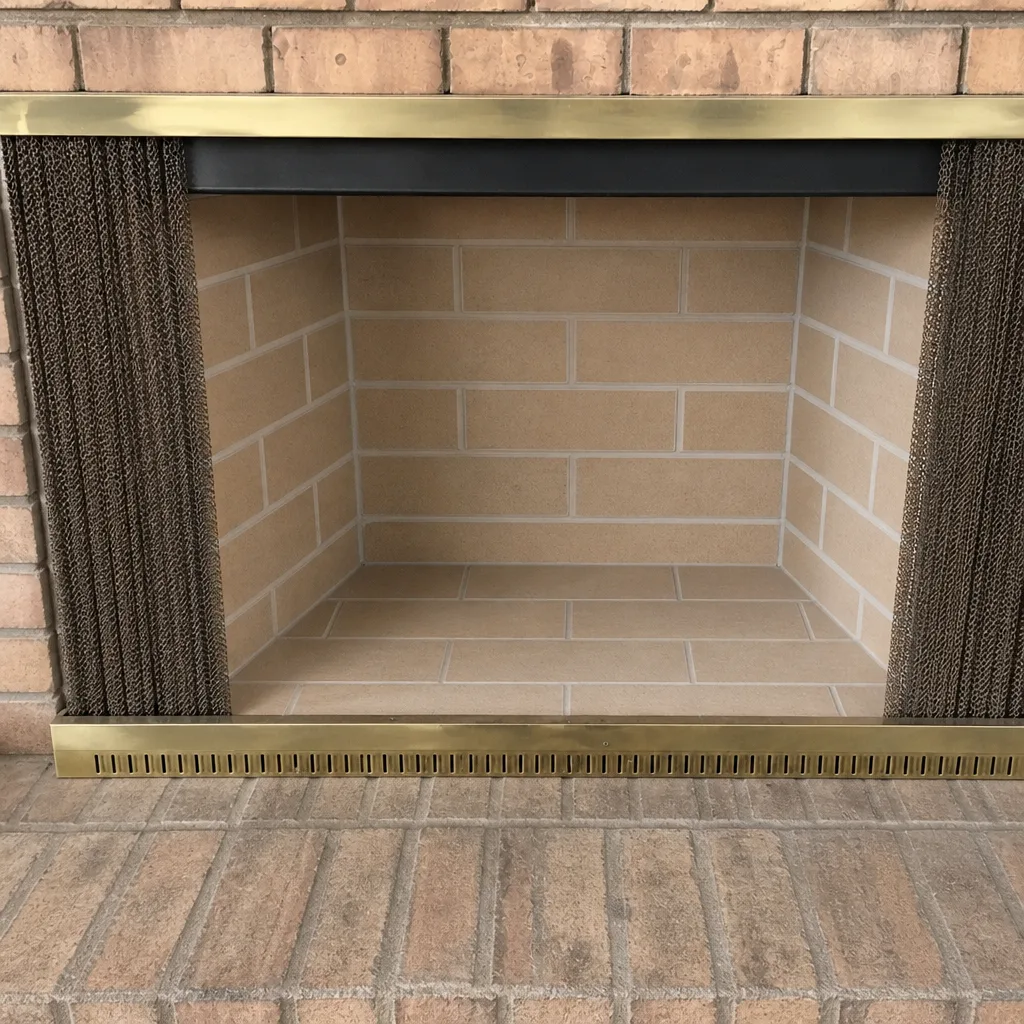
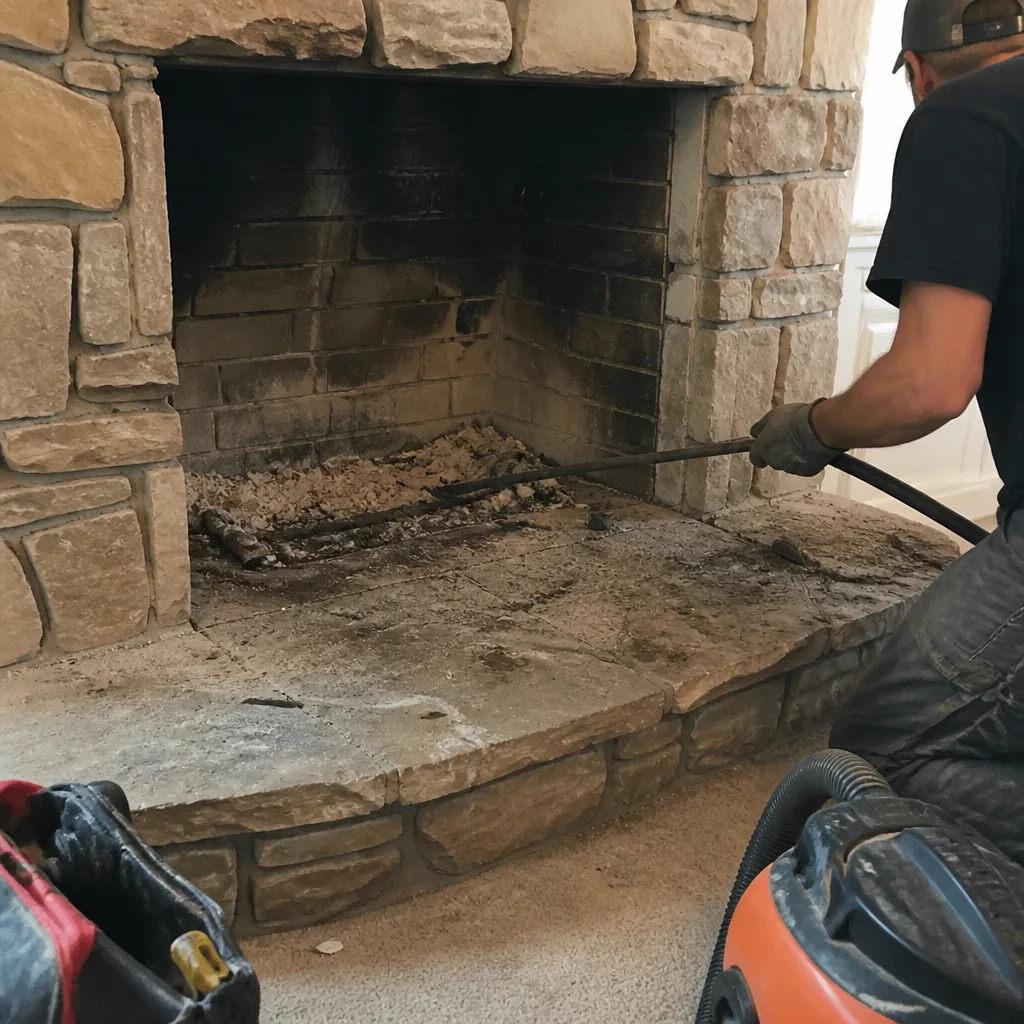
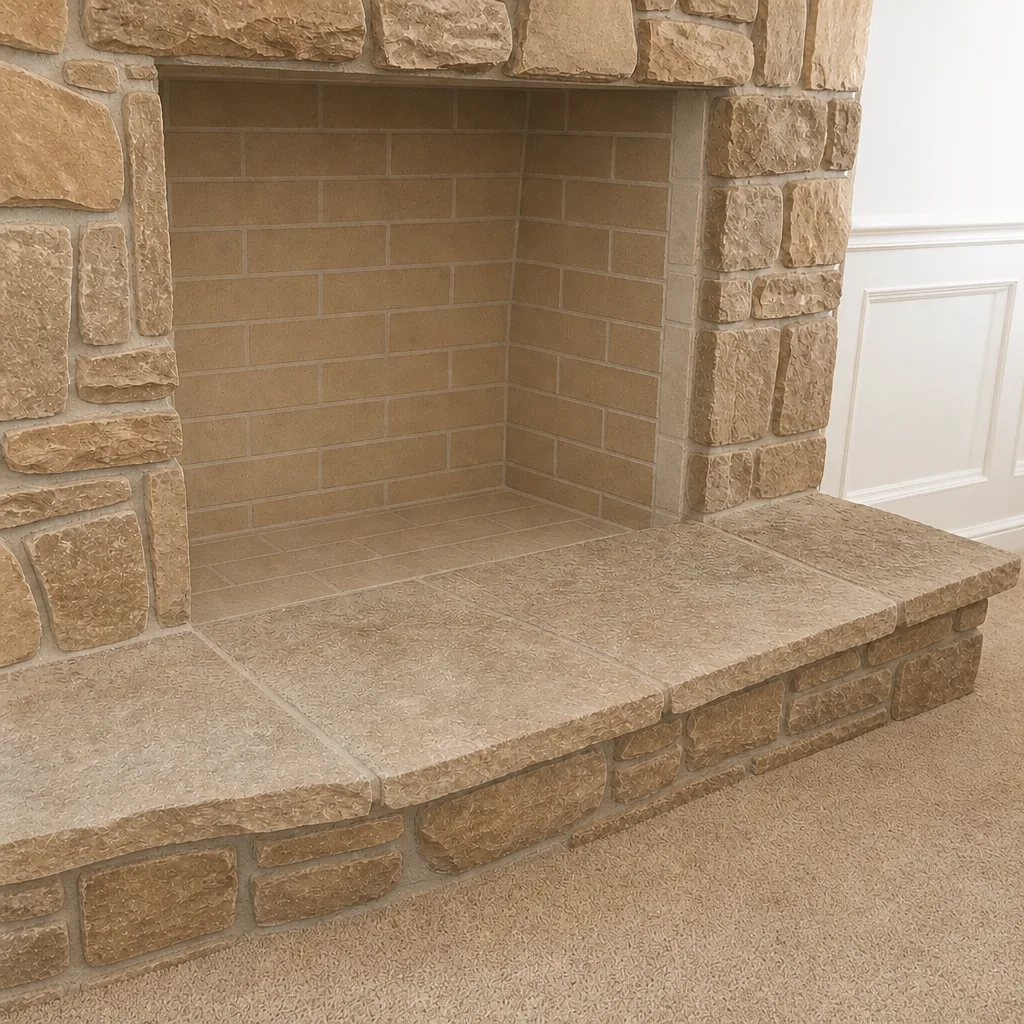
See the difference
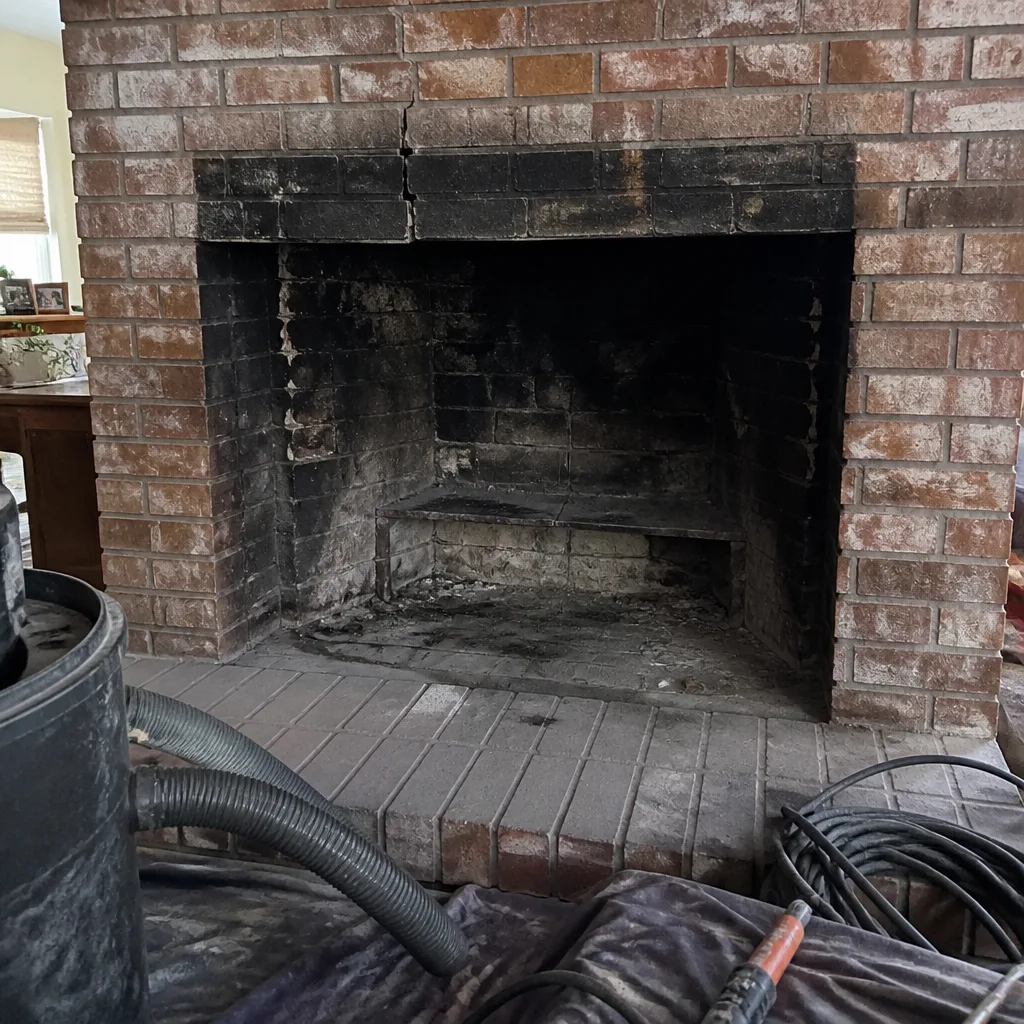 Before
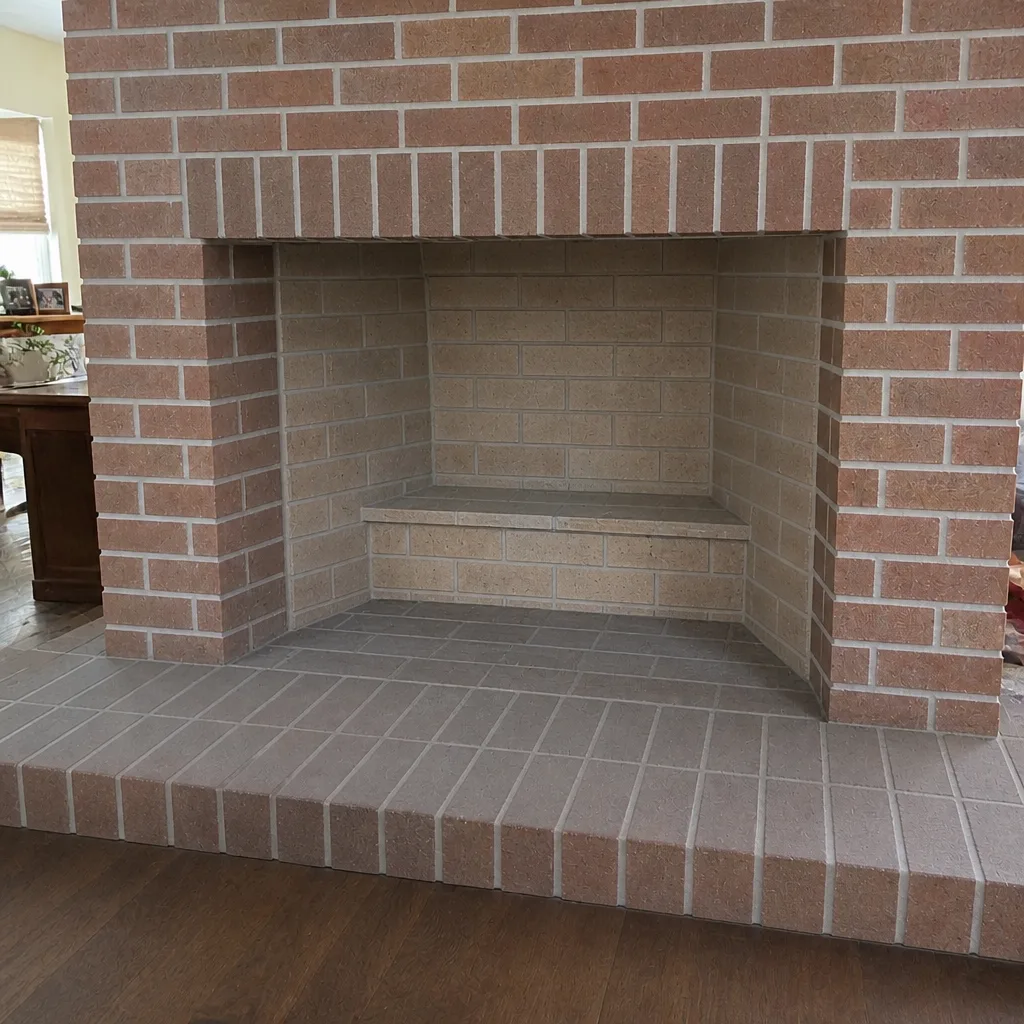 After
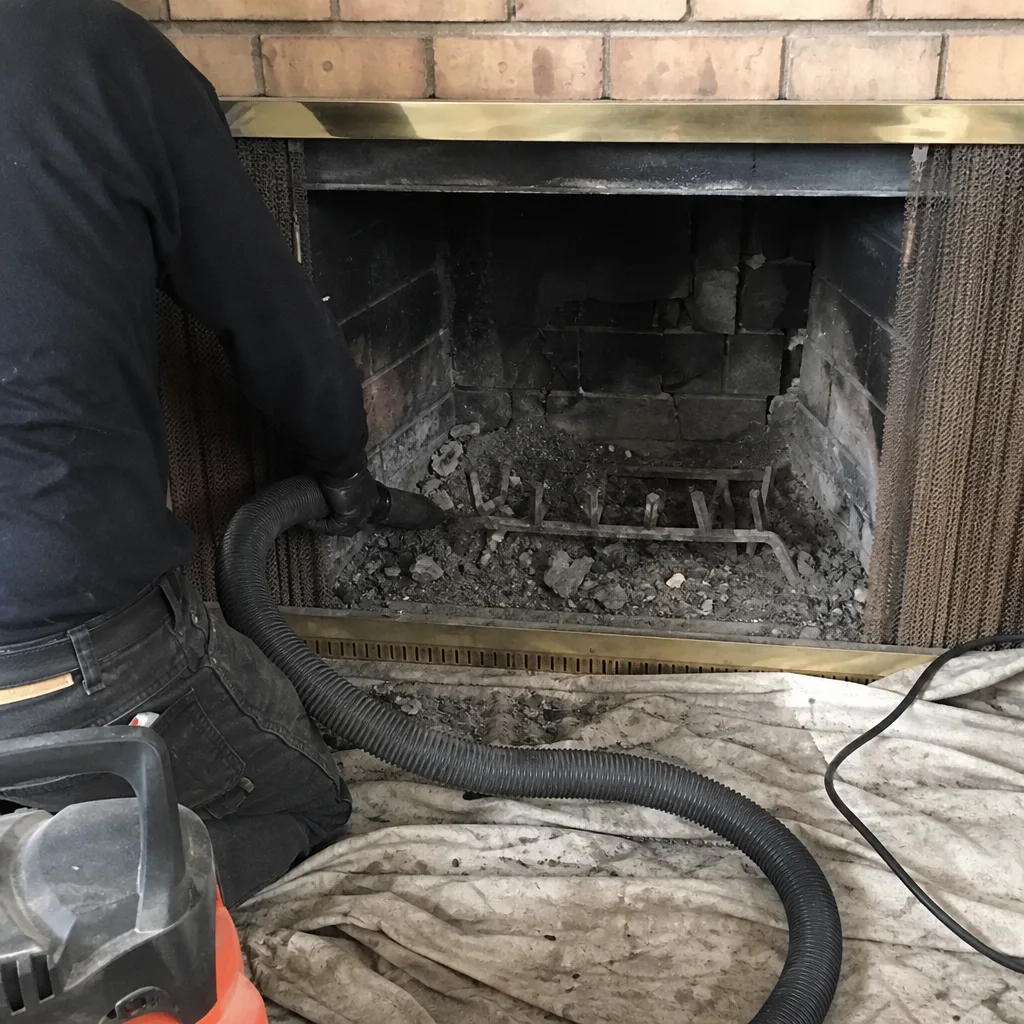 Before
 After
 Before
 After
When to Call a Professional
Call a professional before burning season if the chimney hasn’t been inspected in a year or more, if you’ve just bought the home and don’t know its history, or if you’ve noticed staining on the exterior masonry, a smoky smell indoors, or a fireplace that drafts poorly. Call sooner if you’re seeing visible cracking in the crown, a missing or damaged cap, or staining on the ceiling near the chimney chase – those point to water intrusion that gets more expensive the longer it runs. Call if you’ve had a chimney fire, even a small one. And call if you’re planning to add a gas insert or change fuel type, since the venting has to be evaluated for the new appliance. West Jordan Chimney Sweep Pros offers free estimates in West Jordan – call (866) 937-7304. We answer 24/7. Fast dispatch from 7am to 7pm, Sunday through Friday.
Frequently Asked Questions
A chimney sweep in West Jordan is typically priced per job, and the price is set by the written estimate agreed before booking – the estimate itself is free. Because every chimney is a different configuration and the sweep may include an inspection, cap check, or crown check, a single flat quote without seeing the chimney isn’t something we’d trust, and neither should you. Call (866) 937-7304 for an exact quote. We answer 24/7. Fast dispatch from 7am to 7pm, Sunday through Friday.
Only if the camera evidence shows the existing liner is compromised – cracked clay tiles, gaps at the joints, or a flue that’s no longer correctly sized for the appliance. A liner replacement is a substantial repair, so a contractor should be able to show you the images and explain what they indicate. HeatShield liner restoration exists as an alternative for some liners and can extend flue life without full relining, and a qualified contractor should be able to tell you which applies. Call (866) 937-7304 for an exact quote. We answer 24/7. Fast dispatch from 7am to 7pm, Sunday through Friday.
The general rule is an annual inspection, with sweeping as the inspection indicates. For a West Jordan home burning wood through the winter, that means scheduling before the first sustained burning of the season so any repair is done before daily use. Homes with heavy use, a recent purchase, or a long gap since the last inspection should book the inspection sooner. Call (866) 937-7304 for an exact quote. We answer 24/7. Fast dispatch from 7am to 7pm, Sunday through Friday.
Skipping an inspection means creosote accumulates unmeasured, liner and crown deterioration goes undetected, and the two main safety concerns – chimney fire and carbon monoxide exposure – both become more likely without any warning visible from the living room. The point of an inspection is to catch those conditions before they become expensive or dangerous, and to tell you plainly when work can safely wait. Call (866) 937-7304 for an exact quote. We answer 24/7. Fast dispatch from 7am to 7pm, Sunday through Friday.
Some can and some can’t, and it’s worth asking before you book. A sweep-only operation refers repair work out, which means no one owns the diagnostic picture. West Jordan Chimney Sweep Pros handles the full system: chimney sweeping, inspection, chimney repair, fireplace repair, and cap and crown, so the recommendation and the repair come from the same place. Ask any contractor you’re considering whether their repair materials are specified by brand – HeatShield, DuraFlex, Gelco, Olympia Chimney, Famco, and Copperfield are industry-grade, and not what you’ll find at a hardware store.
Ask for the camera images and the written report before you sign anything. Same-day urgency on a chimney repair is only justified when there’s documented evidence of an active hazard, and if the contractor can’t produce that documentation, the pressure is a sales tactic rather than a safety recommendation. Nothing about a chimney repair requires an immediate signature if you haven’t seen the evidence. Call (866) 937-7304 for an exact quote. We answer 24/7. Fast dispatch from 7am to 7pm, Sunday through Friday.
The Bottom Line
Hiring a chimney contractor in West Jordan comes down to a handful of verifiable questions. Ask whether the technician is CSIA-certified, ask what the inspection includes beyond the sweep, ask for a written report with photos, ask for a written estimate that names materials by brand and grade, and confirm that you’ll have time to consider the estimate before approving anything. Those answers separate the contractors worth booking from the ones to skip, and they’re the same questions a certified specialist would want you to ask. The right contractor will welcome the scrutiny and answer all five easily. When they do, book the appointment, and if a repair does come up, you’ll be equipped to evaluate it rather than take it on faith. Call (866) 937-7304 for a free estimate. We answer 24/7. Fast dispatch from 7am to 7pm, Sunday through Friday.
Written by the team at West Jordan Chimney Sweep Pros.