
Last updated November 25, 2026
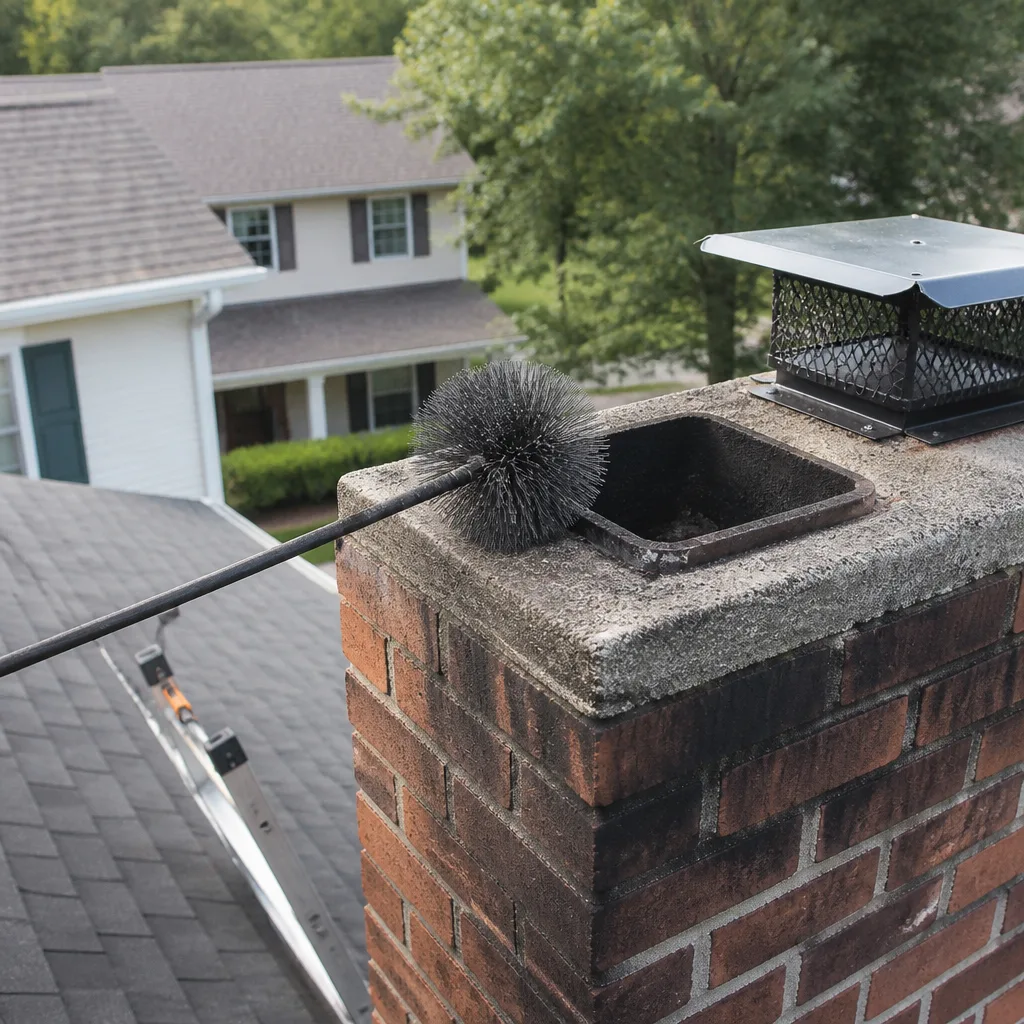 Sweep & inspection
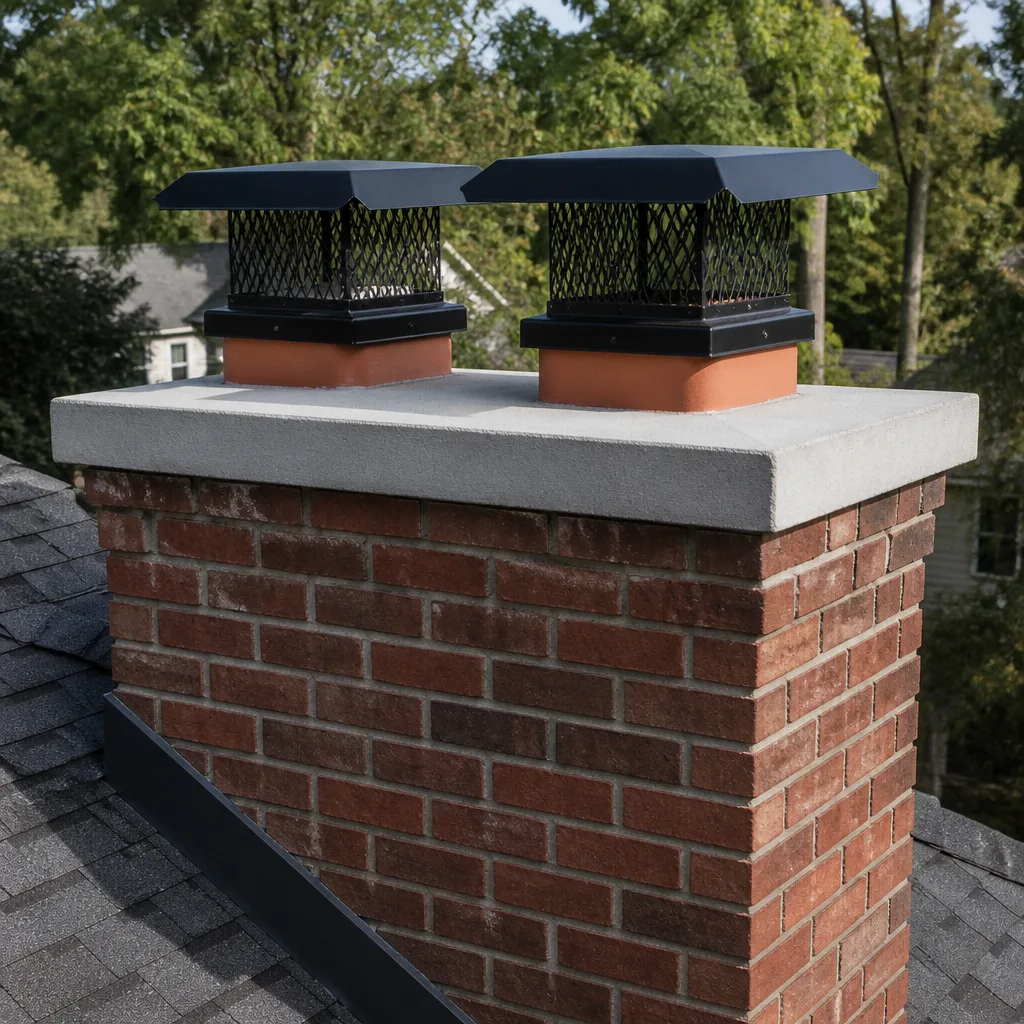 Caps & crowns
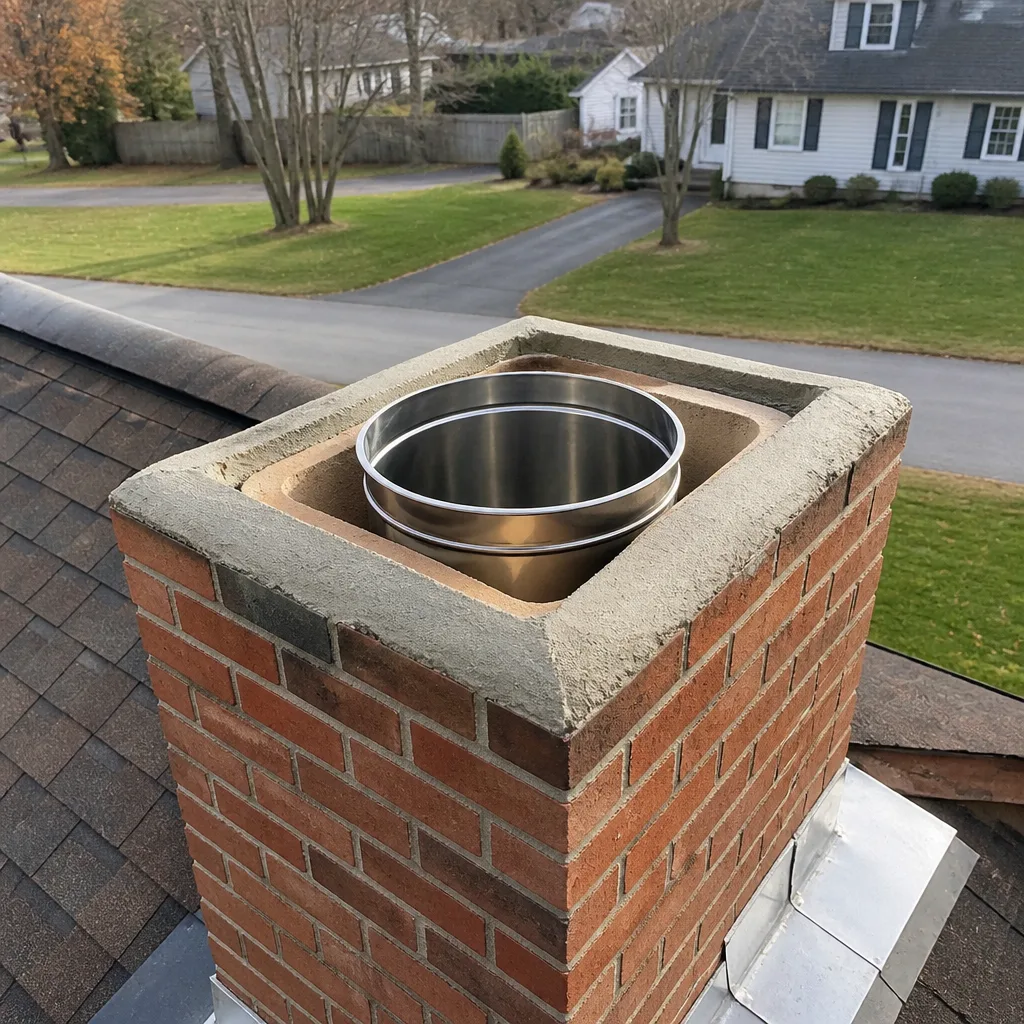 Flue relining
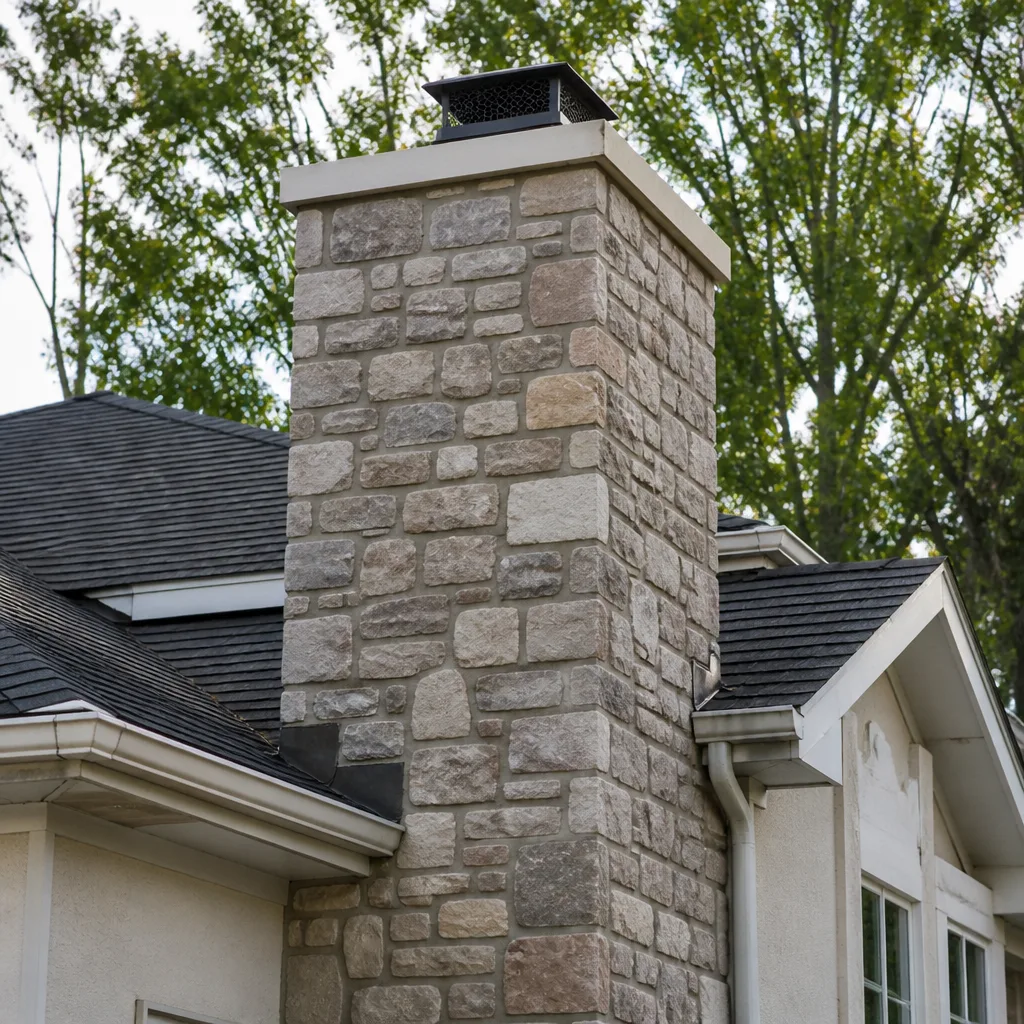 Masonry repair
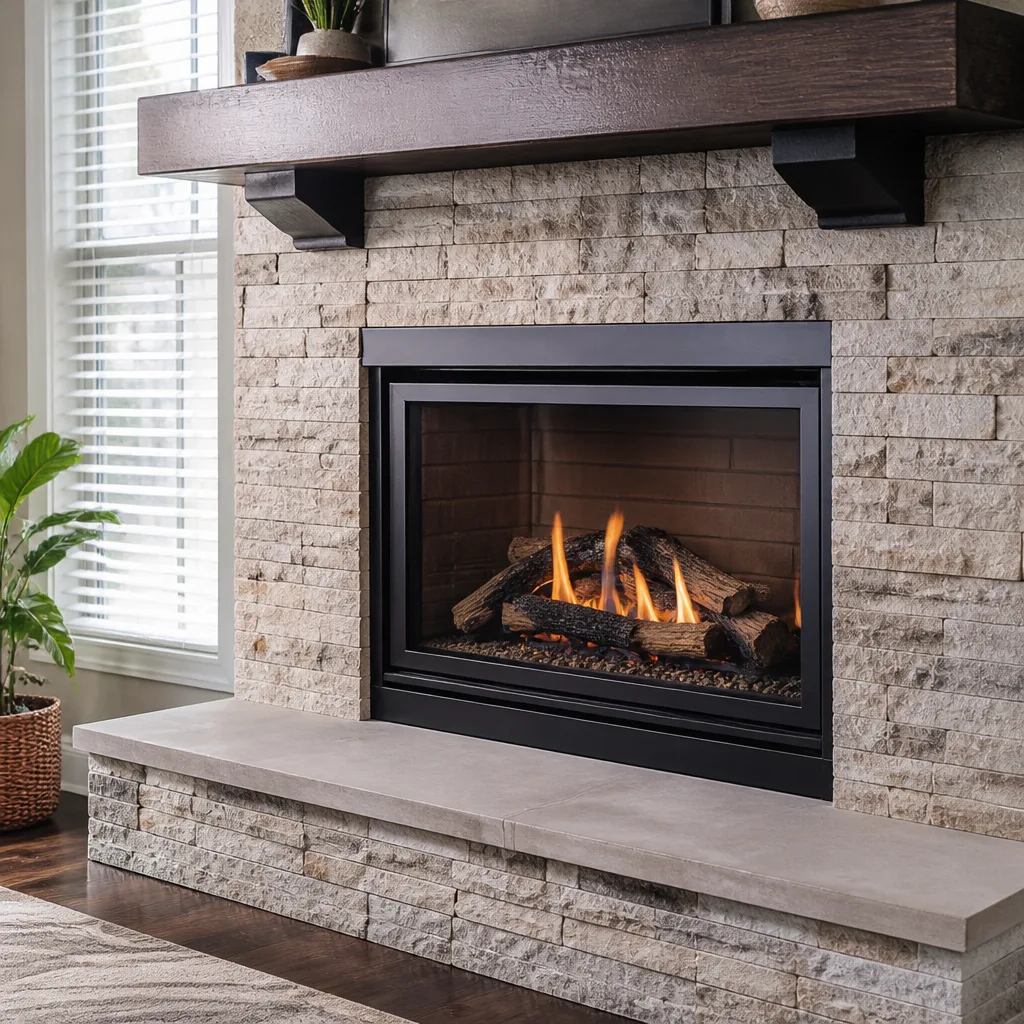 Gas fireplace service
Level 1 sweep and inspection to the NFPA 211 annual standard - flue, crown, cap, and flashing checked and photographed
Chimney sweep logs do not sweep chimneys. They loosen some creosote - which then falls where a brush and vacuum still have to collect it.
DIY vs Professional Chimney Cleaning: The West Jordan Homeowner’s Decision Guide
A chimney brush and a set of rods will pull loose soot off the walls of a straight flue. That part is true, and we won’t pretend otherwise. What those rods cannot do is tell you whether the liner behind that soot has a hairline crack, whether the crown has started to separate from the flue tile, or whether the creosote you’re brushing is the glazed Stage 3 kind that a brush won’t touch. That gap between “clean” and “safe” is where most DIY guides go quiet. This guide draws the real boundary for West Jordan homeowners: what you can reasonably do yourself, what you can’t, and how to decide which side of the line your chimney sits on.
Quick Answer
DIY chimney cleaning is a reasonable first step only when you have a short, straight flue, a recent professional inspection on file confirming Stage 1 creosote, and the right brushes sized to your flue. For almost everyone else in West Jordan, a professional sweep is the safer and more complete option, because a sweep includes a visual inspection that a brush alone can’t perform.
Styles & brands we work with
- Sweep & inspection
- Caps & crowns
- Flue relining
- Masonry repair
- Gas fireplace service
Table of Contents
- What Does DIY Chimney Brushing Actually Accomplish?
- When Is DIY a Reasonable First Step?
- What Equipment Does Real DIY Cleaning Require?
- The Liability and Insurance Angle Most Homeowners Miss
- A Decision Matrix: Is Your Chimney a DIY Candidate?
- Why West Jordan’s Climate and Housing Stock Change the Math
- What a Professional Sweep Includes That You Can’t Replicate
- Common Mistakes to Avoid
What Does DIY Chimney Brushing Actually Accomplish?
DIY brushing removes loose soot and light creosote from the flue surfaces a brush can physically reach. That’s the whole job. It is a mechanical process: the brush scrapes the interior wall of the flue, the soot falls, and you collect it at the bottom. On a straight flue with normal buildup, a homeowner with the right equipment can make a real dent in what’s coating the walls.
Here’s what brushing does not do:
- It can’t assess the liner. A brush passes over cracks, gaps, and deteriorated mortar joints without ever registering them. Visual assessment requires a camera and an inspector’s trained eye.
- It can’t remove glazed creosote. Stage 3 creosote has the consistency of hardened tar. A poly brush bounces off it. Removing it takes chemical treatment and, sometimes, rotary equipment that only a professional carries.
- It can’t check the crown, cap, or flashing. Water intrusion is the leading cause of long-term structural damage to chimneys, and the failure points are on the roof, not in the flue.
- It can’t inspect the firebox or smoke chamber. Those components sit below and above the flue, and they’re where a lot of structural problems originate.
We inspect before we recommend, every time, and that’s the reason. A brush tells you the flue got swept. It tells you nothing about whether the chimney is safe. Calling a West Jordan chimney sweep for a baseline inspection is how you find out what shape the system is actually in before you decide whether to take the brush into your own hands.
When Is DIY a Reasonable First Step?
DIY is a defensible choice when three specific conditions line up. Miss any one of them, and the risk stops being worth the savings.
Condition 1: A short, straight flue. A straight run from the firebox to the cap is the only configuration a homeowner can realistically brush without damaging the liner. Any offset, smoke shelf, or bend in the flue is where brushes get stuck, bend rods, or miss whole sections of the interior.
Condition 2: Confirmed Stage 1 creosote. Stage 1 creosote is the flaky, soot-like buildup that a brush handles. Stage 2 is the crusty, brittle layer that needs more effort. Stage 3 is glazed and tar-like. If you haven’t had a professional tell you what stage your creosote is in, you don’t know which one you’re dealing with, and brushing at the wrong stage wastes your time or, worse, gives you a false sense of security.
Condition 3: A recent professional baseline inspection on file. If a chimney professional has inspected your chimney in the recent past and confirmed the liner is intact, the crown is sound, and the buildup is light, then a between-visit brushing is a reasonable maintenance step. Without that baseline, DIY brushing is guessing at a system you can’t actually see.
If you meet all three, a yearly brush between professional inspections makes sense. If you meet two or fewer, the honest answer is that you’re saving a modest sum in exchange for a real safety gap.
What Equipment Does Real DIY Cleaning Require?
A fireplace cleaning kit from the hardware store is not chimney cleaning equipment. It’s for the firebox and the immediate surround. Real flue cleaning requires brushes sized to the interior dimensions of your actual flue, and flues come in many sizes.
Here’s the realistic equipment list:
- Chimney brush or brushes sized to your flue. Rectangular flues take rectangular brushes. Round liners take round brushes. Buying the wrong shape leaves gaps at the corners.
- Rods in sufficient length to reach the cap. A rod set that falls short of the top means you’re stopping partway and calling it done.
- Drop cloths and a shop vacuum rated for fine soot. Soot gets everywhere. A standard vacuum can release fine particles back into the room.
- Respirator, safety glasses, and gloves. Creosote and soot are respiratory irritants, and the dust from brushing is finer than you expect.
- Rooftop access safety gear, if you’re brushing from the top. That means a stable ladder, roof traction, and a second person present. We don’t give step-by-step rooftop instructions because the fall risk is real and the margin for error is thin.
For a homeowner with one round flue and one rectangular fireplace flue, the equipment bill runs modest, but keep in mind that a set of chimney brushes and rods in correct sizes and adequate length is not a one-time $20 purchase. A kit that actually works is a real investment, and it only pays off if you’ll use it for years. The West Jordan Chimney Sweep Pros approach to a baseline inspection is worth the visit before you spend a cent on equipment, because the inspection tells you whether your flue is even a candidate.
One more caveat: if your chimney has a metal liner, flexible liner system, or HeatShield-restored flue, the brush has to be correct for the material. A stiff brush on a soft liner can abrade the surface. A professional sweep knows which brush goes with which liner because they’ve worked with DuraFlex, Copperfield, and other professional-tier liner systems, and that knowledge isn’t in the box your brush came in.
The Liability and Insurance Angle Most Homeowners Miss
If a chimney fire happens and there is no professional inspection record, your insurer can and often will ask when the chimney was last professionally inspected and cleaned. This is the angle no DIY guide mentions. It’s not about blame. It’s about documentation.
Homeowner policies commonly require reasonable maintenance, and a chimney with no inspection history is a hard position to defend as reasonably maintained. In the event of a claim, an inspection record from a professional is the difference between a straightforward conversation and a difficult one. That record documents the condition of the chimney at a point in time and shows that a knowledgeable person looked at the system.
A few things to understand about this:
- Most insurers don’t require annual professional cleaning, but they do want to see that the chimney was inspected and maintained.
- A DIY brushing doesn’t produce a documented inspection, so it doesn’t substantiate the same thing.
- If you sell the home, a buyer’s inspector will likely ask for a chimney inspection report, and a stack of DIY brush marks won’t substitute for one.
This is not a scare tactic, and we’re not suggesting anyone needs to buy a service they don’t need. But the honest math includes what the documentation is worth. If your chimney is damaged, causing drafting problems, or showing signs of structural failure, scheduling chimney repair with a professional and keeping the record is the more sensible path than brushing and hoping.
A Decision Matrix: Is Your Chimney a DIY Candidate?
Use the following matrix to sort your own situation. Answer each question honestly, and count how many land in the DIY column.
Flue configuration
- Short, straight flue with no offsets: DIY column
- Any bend, offset, or smoke shelf in the flue: professional column
- Metal liner or restored flue of uncertain material: professional column
Last professional inspection
- Inspected within the recent past and documented: DIY column
- Inspected years ago, or never: professional column
- Inspected, but you don’t have the report: professional column
Creosote history
- Confirmed Stage 1 by a professional: DIY column
- Stage 2 or Stage 3 buildup, or unknown: professional column
- History of glazed creosote: professional column
Your physical comfort and safety on a roofline
- Comfortable with ladder and rooftop access, with a second person present: DIY column
- Uneasy with heights, or no safe rooftop access: professional column
- Any medical condition or medications that make ladder work risky: professional column
Structural condition
- No staining, no damp smells, no crumbling mortar: DIY column
- Staining, odor, draft problems, or visible spalling: professional column
If every answer is in the DIY column, a between-visit brushing is defensible. If any answer lands in the professional column, book a sweep. For most West Jordan homeowners, at least one answer will. Older homes along the older residential blocks of the city frequently have flues that don’t meet the “straight and simple” test, and that alone tips the balance.
Why West Jordan’s Climate and Housing Stock Change the Math
West Jordan sits in the Salt Lake Valley, and the valley’s specific conditions matter more than most generic chimney advice acknowledges. The area gets cold, dry winters with serious inversions, which means more burn days and more concentrated creosote buildup than a milder climate would produce. Homes here typically burn through more wood per season than a homeowner in a temperate climate, and that translates into faster buildup.
Practically, that means:
- Your cleaning interval may be shorter. If you’re burning regularly through a cold valley winter, an annual sweep isn’t a conservative recommendation, it’s a realistic one.
- Winter freeze-thaw cycles stress the crown and masonry. Water gets into cracks, freezes, expands, and widens the damage. That’s why the crown is the failure point so many homeowners discover only after interior damage has started. It’s also why chimney cap and crown work matters here.
- Inversion season concentrates smoke and creosote in the chimney. Wood that isn’t fully seasoned produces more creosote, and the valley’s dry storage conditions can lead homeowners to burn wetter wood than they realize.
None of that rules out DIY. It just raises the stakes. A West Jordan chimney that’s been brushed from the top by a careful homeowner can still have a cracked crown that lets meltwater into the structure without obvious signs until it’s expensive. Fireplace repair is the other piece of the system a homeowner can’t easily examine from the flue, and it’s where we often find the problems that a sweep alone wouldn’t catch.
What a Professional Sweep Includes That You Can’t Replicate
A professional sweep is not just a more thorough brush. It’s a sweep plus a visual inspection plus a documented assessment plus the ability to fix what the inspection finds.
Here’s what a proper professional visit covers that a homeowner with a brush and a ladder cannot:
- Inspection of the flue lining for cracks, gaps, and deterioration.
- Inspection of the firebox and smoke chamber for structural problems.
- Crown and cap assessment for water intrusion points.
- Removal of Stage 2 and Stage 3 creosote, which requires equipment and, in some cases, chemical treatment a homeowner can’t safely handle.
- A photo or written report of what was found, which becomes your inspection history.
- A direct recommendation on any repairs, with the ability to do the work in the same relationship.
We handle chimney sweep, chimney inspection, chimney repair, fireplace repair, and chimney cap and crown work as one service line, so if the sweep turns up a liner problem, the fix happens without a homeowner starting over with a second contractor. When a liner needs restoration, HeatShield is the process that extends flue life without full relining costs. When a full reline is needed, DuraFlex flexible liner systems allow the work without full demolition. Those are the professional-grade tools a homeowner brushing from the top of a flue doesn’t have access to.
Common Mistakes to Avoid
- Buying a fireplace kit and thinking it’s a chimney kit. They’re different products for different parts of the system, and the wrong one leaves your flue untouched while giving you the confidence that comes from having “cleaned the chimney.”
- Skipping the inspection because the sweep “looked fine.” A clean-looking flue tells you nothing about the liner behind it. The inspection is the part that produces safety, not the brush.
- Brushing from the top without a spotter and safe rooftop footing. The fall risk on a West Jordan roofline in winter conditions is real, and it outweighs the cost savings by a wide margin.
- Burning wet or under-seasoned wood because it’s convenient. Damp wood produces more creosote, which means more buildup than the chimney was designed to handle and a shortened interval between cleanings.
- Ignoring the crown because it looks fine from the ground. Water intrusion damage starts slowly and doesn’t announce itself until it’s done real work on the structure. The crown is the part of the chimney that fails most silently.
- Calling it done after a DIY brush when the creosote was Stage 2 or 3. Brushing glazed creosote can polish the surface, which makes it look cleaner while leaving the hazard in place.
- Skipping a baseline before the first DIY attempt. Without a professional baseline, you don’t know whether the flue was safe in the first place. Brush first, and you can’t tell whether you improved anything.
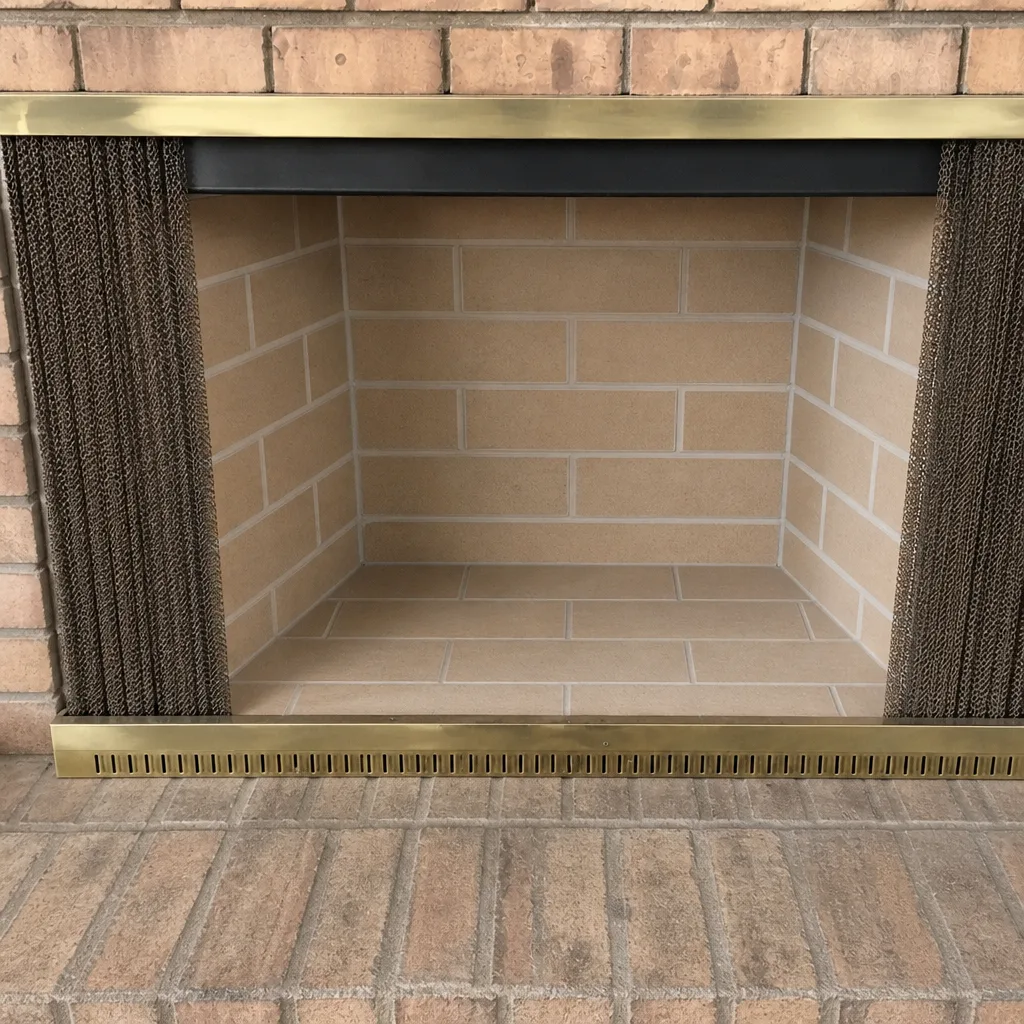
See the difference
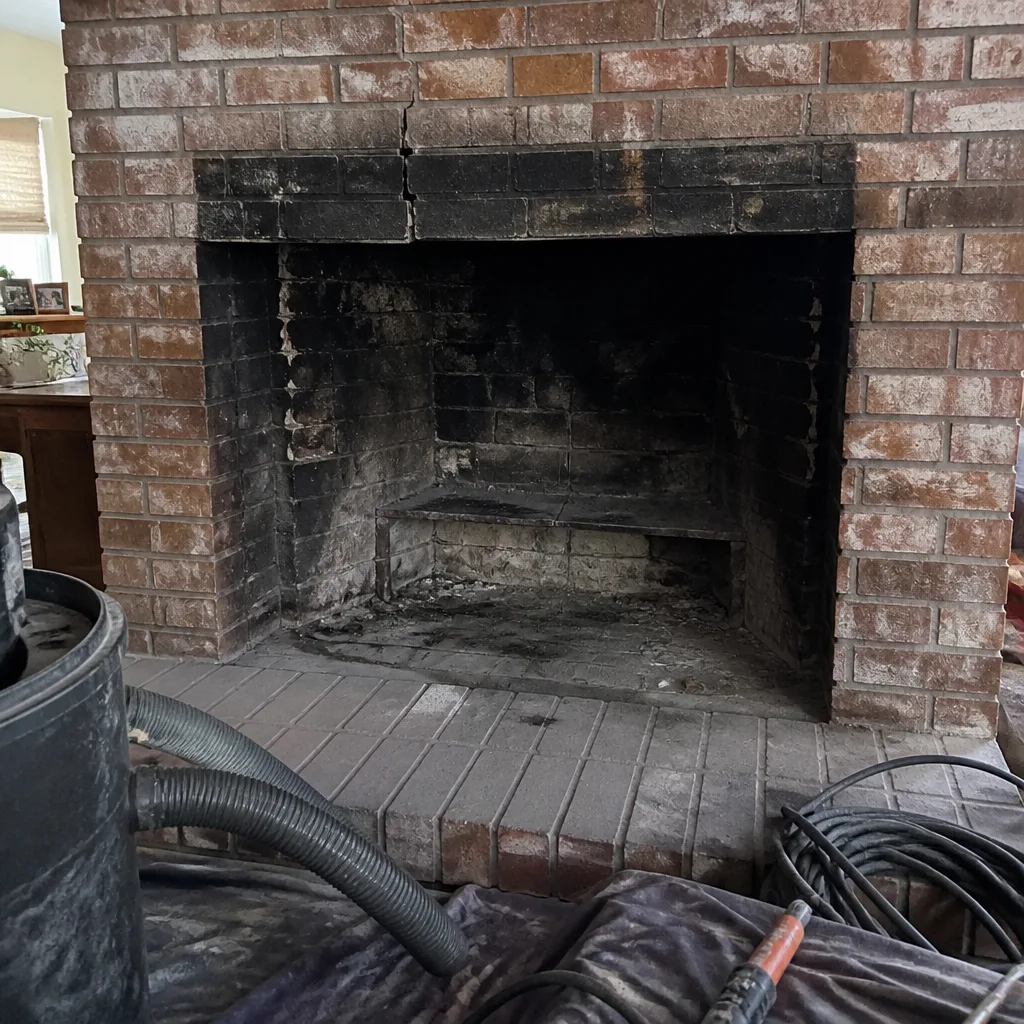 Before
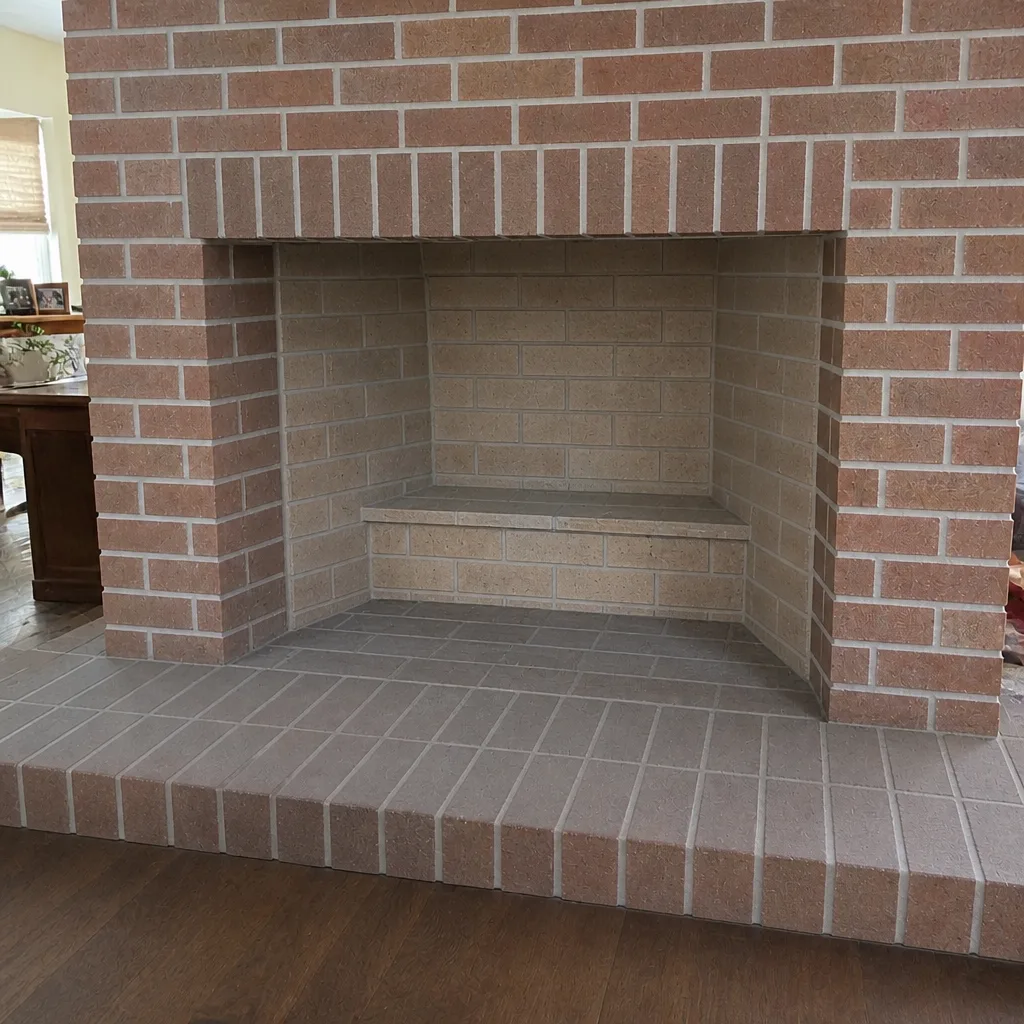 After
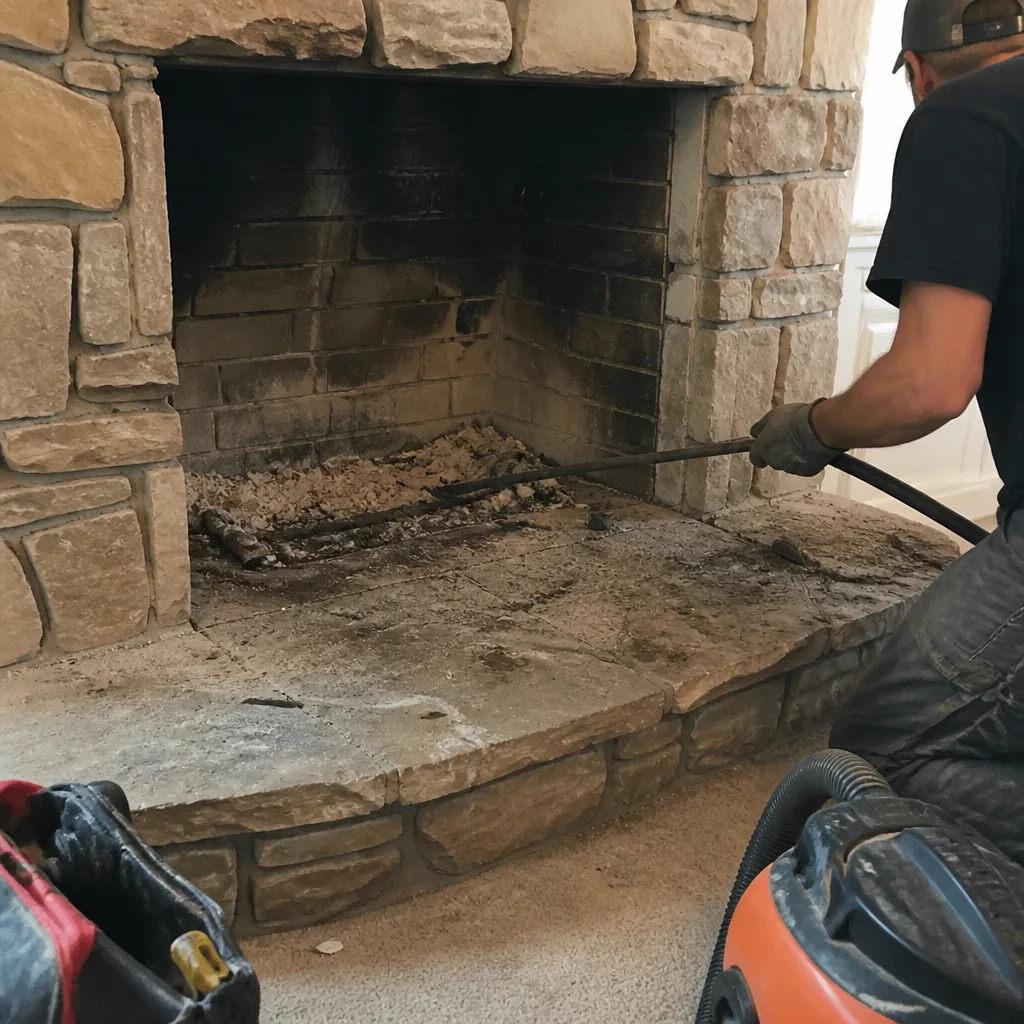
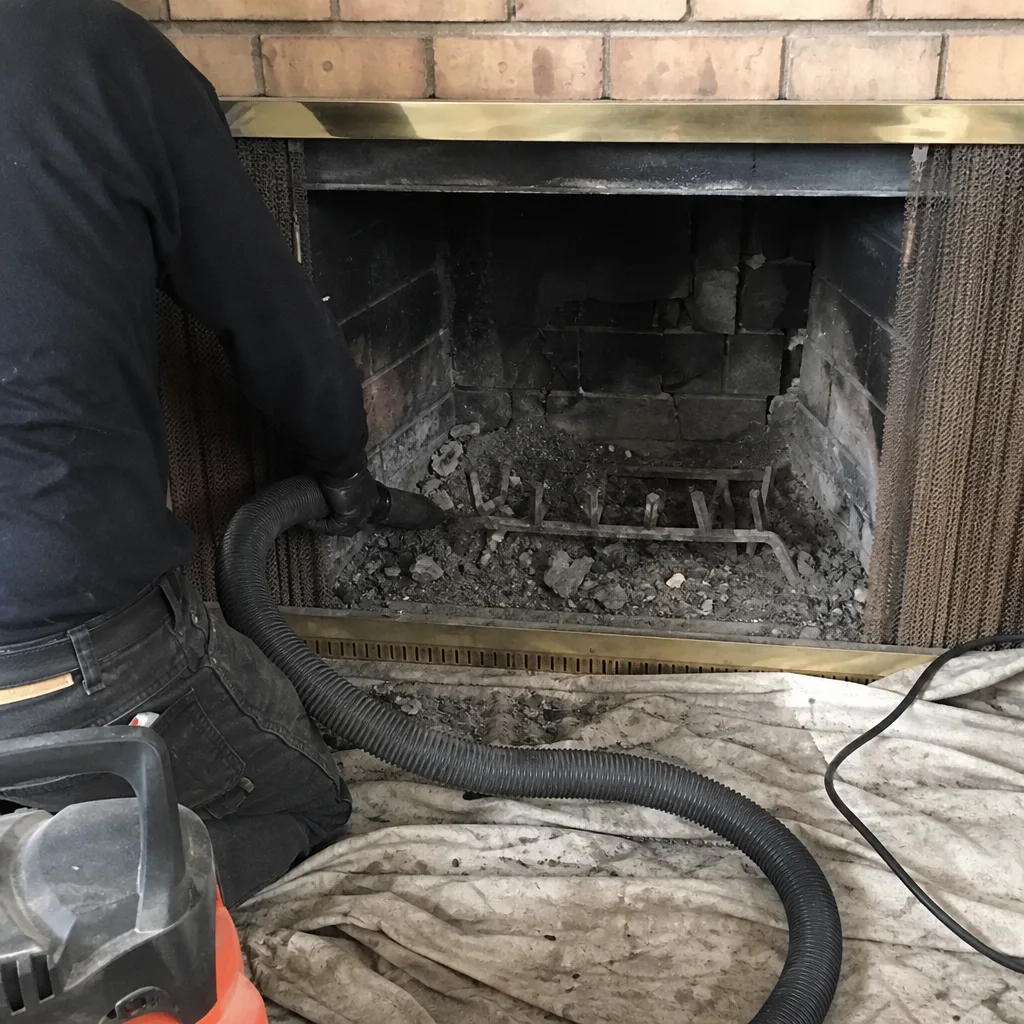 Before
 After
 Before
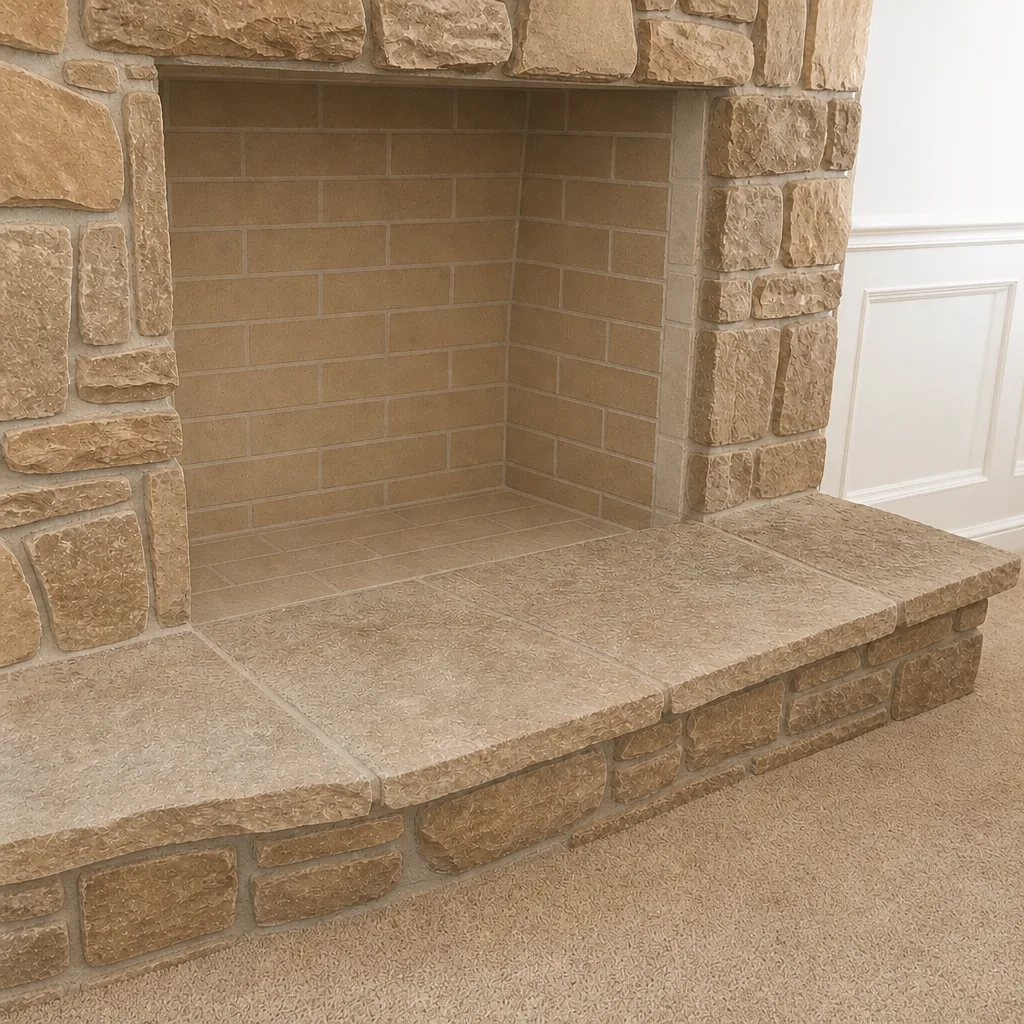 After
When to Call a Professional
Call a professional if your chimney has any of the following: a flue with bends or offsets, creosote that looks tar-like or glazed, staining or draft problems, no professional inspection on record, or a home you’ve recently purchased without a chimney report. Those aren’t borderline cases, they’re clear calls, and a professional visit resolves all of them in a single appointment. West Jordan Chimney Sweep Pros offers free estimates in West Jordan, and we can set a baseline inspection to establish exactly what condition your chimney is in before you decide what to do next. Call (866) 937-7304. We answer 24/7. Fast dispatch from 7am to 7pm, Sunday through Friday.
Frequently Asked Questions
You can safely brush a short, straight flue yourself if you have the right-sized brushes and a recent professional inspection confirming Stage 1 creosote. You can’t inspect the liner, crown, or firebox yourself, and those are the parts that determine whether the chimney is safe to burn.
Annual sweeping is realistic for most West Jordan homes that burn regularly through a cold valley winter. Frequent burning, wet wood, and confined flues all shorten the interval. If you use your fireplace as a primary heat source, you may need more frequent visits. Call (866) 937-7304 for an exact recommendation based on your setup, since estimates are free.
There’s a real equipment cost to doing it right: correctly sized brushes, adequate rods, a shop vacuum rated for soot, and safety gear. Once you’ve spent that, a DIY brush is genuinely cheaper on paper. What it isn’t is equal to a professional sweep, because it doesn’t include the inspection that catches liner cracks, crown damage, or advanced creosote stages. If you call a professional only when the DIY brush can’t keep up, you’re likely paying for it eventually one way or another. Call (866) 937-7304 to compare costs on the record before you decide.
Stage 1, the flaky soot layer, is safely brushable with the right tools. Stage 2 is harder but sometimes manageable. Stage 3 glazed creosote should not be brushed by a homeowner, because the brush won’t remove it and the polish can mask it, leaving a serious fire hazard behind. If you don’t know what stage you’re dealing with, that’s the reason to get a professional look.
Many insurers want to see that a chimney was inspected and maintained, and a DIY brushing doesn’t produce an inspection record. If a chimney fire happens and there’s no professional documentation, that absence can complicate a claim. Keeping a professional inspection on file alongside any DIY brushing is the safer record.
The flue can look clean while the liner is compromised, and a cracked or deteriorated liner is a fire and carbon monoxide path into the structure. That’s the specific risk that separates a clean chimney from a safe one. A camera inspection is the way to know the difference. Call (866) 937-7304 for a free estimate on an inspection before you brush.
The Bottom Line
DIY chimney brushing is a legitimate maintenance step for a narrow set of conditions: a short straight flue, confirmed Stage 1 creosote, a recent professional inspection on file, and the right equipment sized to your chimney. It removes soot. It doesn’t inspect, doesn’t document, and doesn’t touch the crown, cap, or the more stubborn creosote stages. For most West Jordan homeowners, a professional sweep is the safer call because it produces both a clean flue and a record that the system was inspected. We inspect before we recommend, every time, so you’ll know what your chimney actually needs instead of what a brush can reach. Call (866) 937-7304 for a free estimate. We answer 24/7. Fast dispatch from 7am to 7pm, Sunday through Friday.
Written by the team at West Jordan Chimney Sweep Pros.